





Nicotine Free Oral Pouches: The Complete 2026 Guide
| Key Insight | Explanation |
|---|---|
| Nicotine is only 30% of the addiction | The 30/30/30 Addiction Rule shows that 60% of pouch dependency comes from the physical ritual and sensory burn — not the chemical itself. |
| Zero-nic pouches satisfy the habit loop | Nicotine free oral pouches replicate the mouthfeel, gum burn, and oral placement — the exact triggers that keep users reaching for a pouch every 45 minutes. |
| Functional alternatives exist beyond zero-nic | Energy pouches (caffeine + nootropics) and CBD pouches deliver real functional benefits — focus or calm — without feeding chemical dependency. |
| Cold turkey fails most users | Research consistently shows abrupt cessation has low long-term success rates; gradual substitution methods that preserve the ritual perform significantly better. |
| Nicotine carries real health risks | Even tobacco-free nicotine pouches carry risks including elevated liver enzymes, gum recession, and cardiovascular strain — per CDC and VCU Health guidance. |
| The market is growing fast | The global nicotine pouch market was valued at ~USD 2.4 billion in 2023 and is projected to grow at over 35% CAGR through 2030, driving rapid innovation in zero-nic formats. |
Most people reach for a pouch because they need it. Not because they chose it. Nicotine free oral pouches are small, tobacco-free fiber pouches placed under the lip that deliver sensory satisfaction — the burn, the mouthfeel, the ritual — without any nicotine content. They're the format that finally separates the habit from the chemical. And in 2026, they're no longer a niche workaround. They're a category.
Here's the problem with conventional nicotine pouches: they solve one thing. You're anxious at 3pm? Nicotine. You want focus? Nicotine. You can't sleep because of all that nicotine? More nicotine tomorrow. Before long, you're burning through a can a day, spending €200-plus a month, and noticing your gums have started pulling back. Not because you're weak — but because nicotine was the only tool you had.
This guide covers what nicotine free oral pouches actually are, how they work neurologically, the real benefits (and honest limitations), and how to use them as part of a structured reduction system. Whether you're a heavy pouch user looking to cut back, a former smoker maintaining an oral habit, or someone who just wants clean energy without the dependency — this is the full picture.
What Are Nicotine Free Oral Pouches?
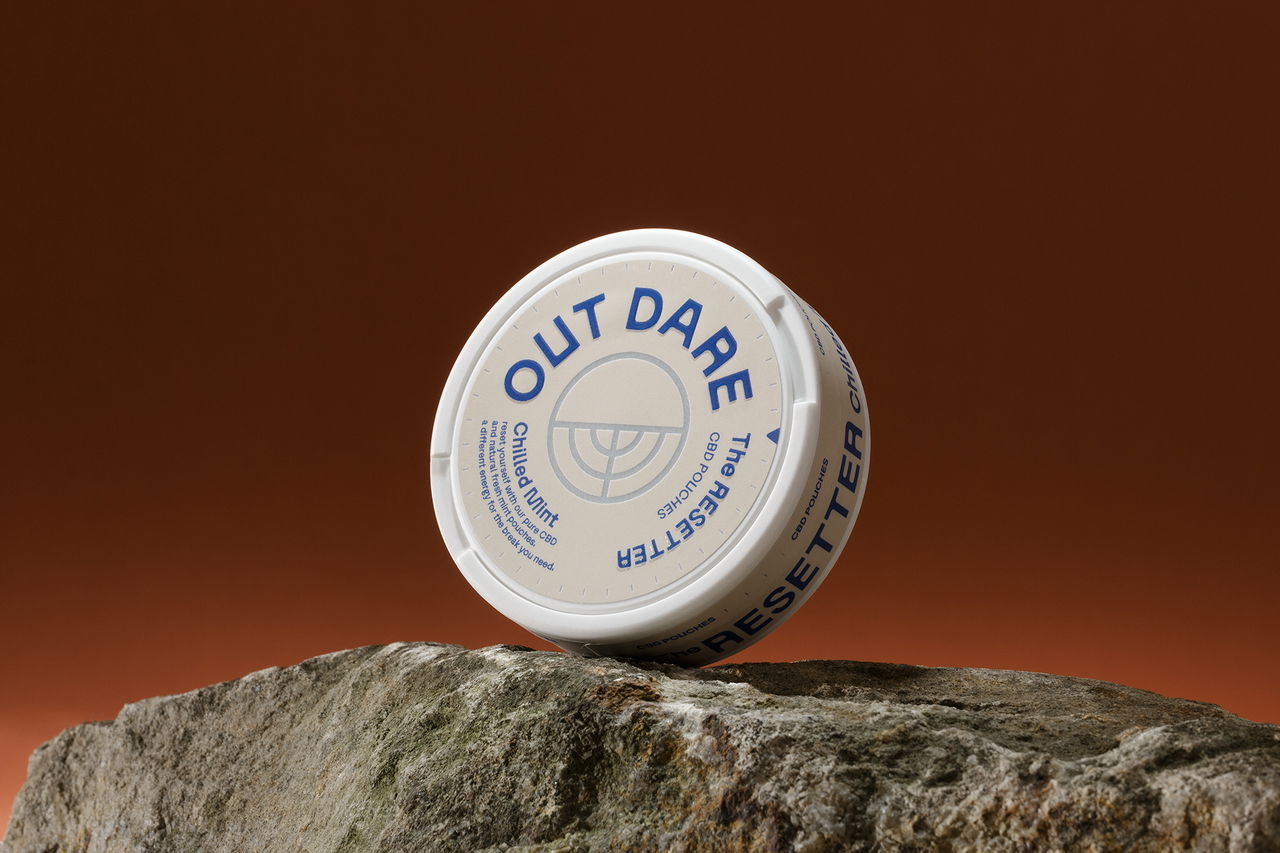
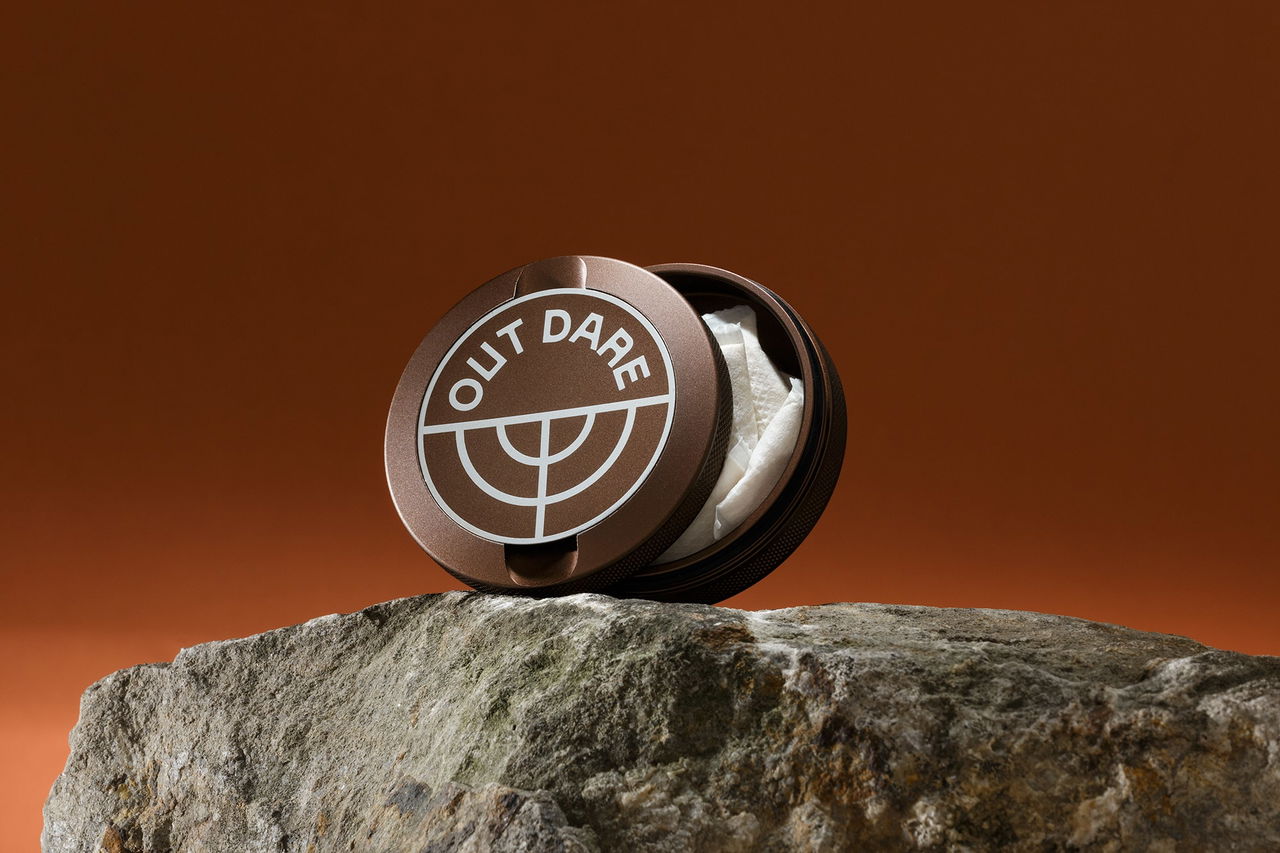
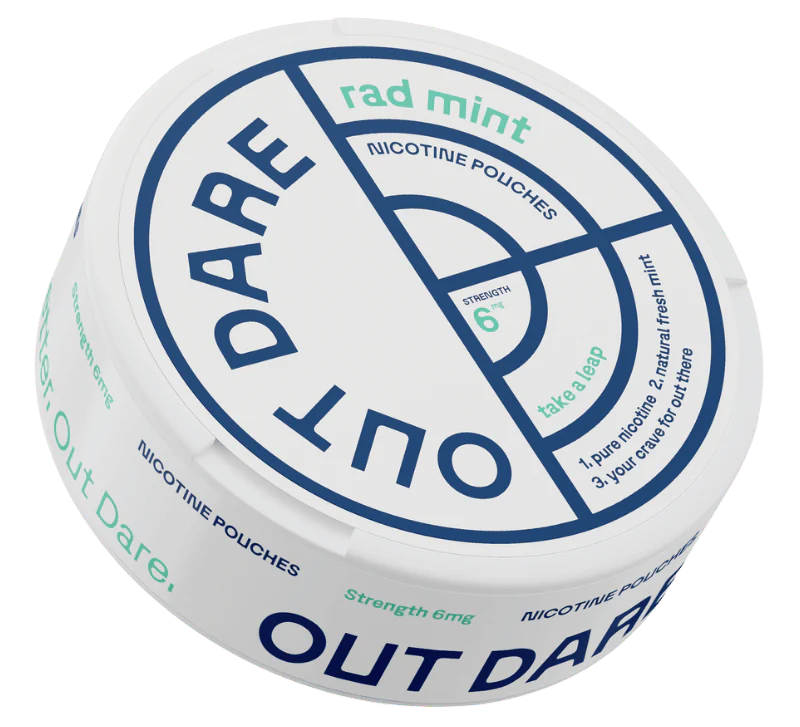
Nicotine free oral pouches are small white sachets made from plant-fiber material, placed between the lip and gum, that deliver flavor, texture, and gum stimulation without nicotine or tobacco. They preserve the physical ritual of pouch use while eliminating the chemical dependency driver.
Definition and Format
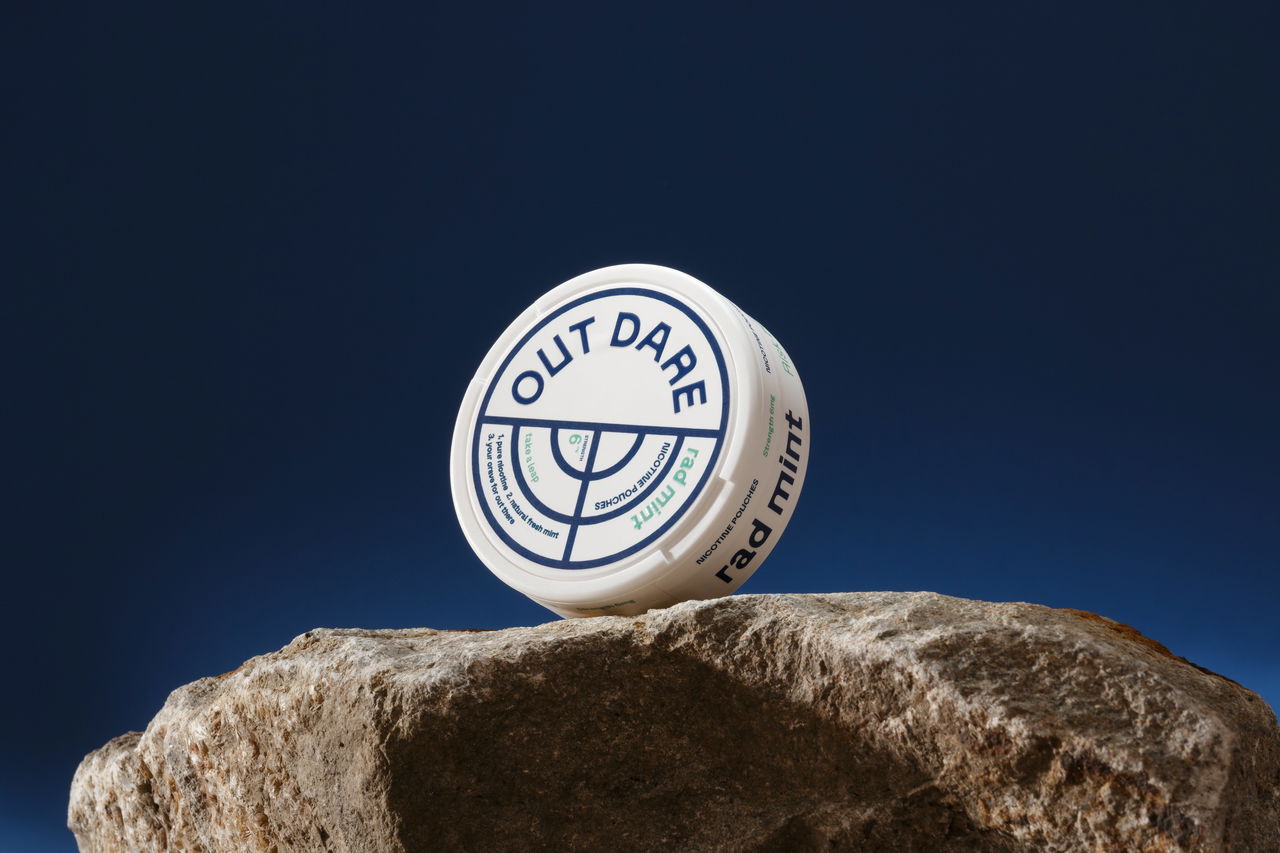
The format is identical to a standard nicotine pouch: a compact white pillow, roughly 1-2 grams, that sits discreetly under the upper or lower lip. The difference is what's inside. Instead of nicotine salts or synthetic nicotine, the filler contains plant-based cellulose, flavoring agents, and sometimes functional ingredients like caffeine, nootropics (cognitive-enhancing compounds), or CBD (cannabidiol, a non-psychoactive hemp extract). [1]
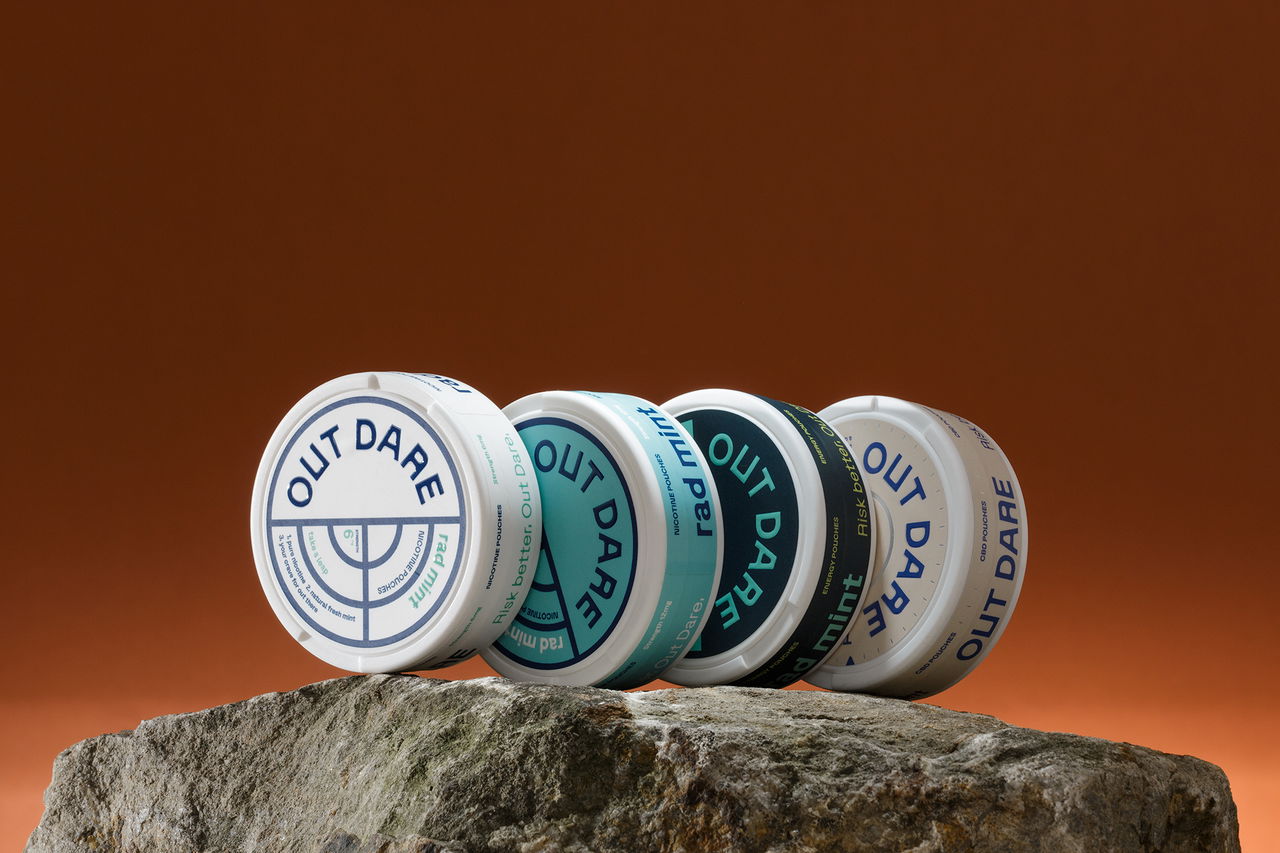
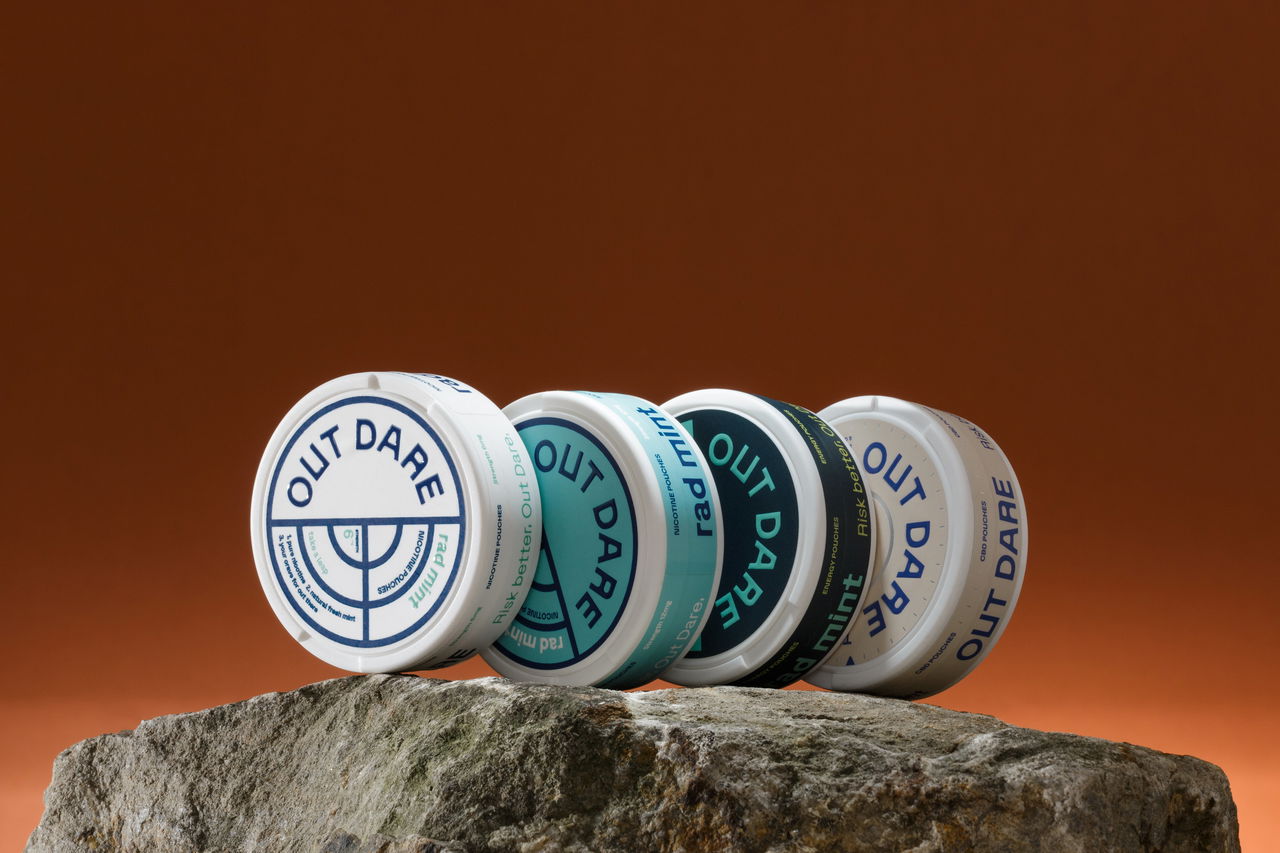
As of 2026, the category has expanded well beyond simple "zero-nic" placeholders. Three distinct formats now dominate:
- Pure zero-nic pouches: No stimulants, no active compounds. Designed purely for oral habit maintenance.
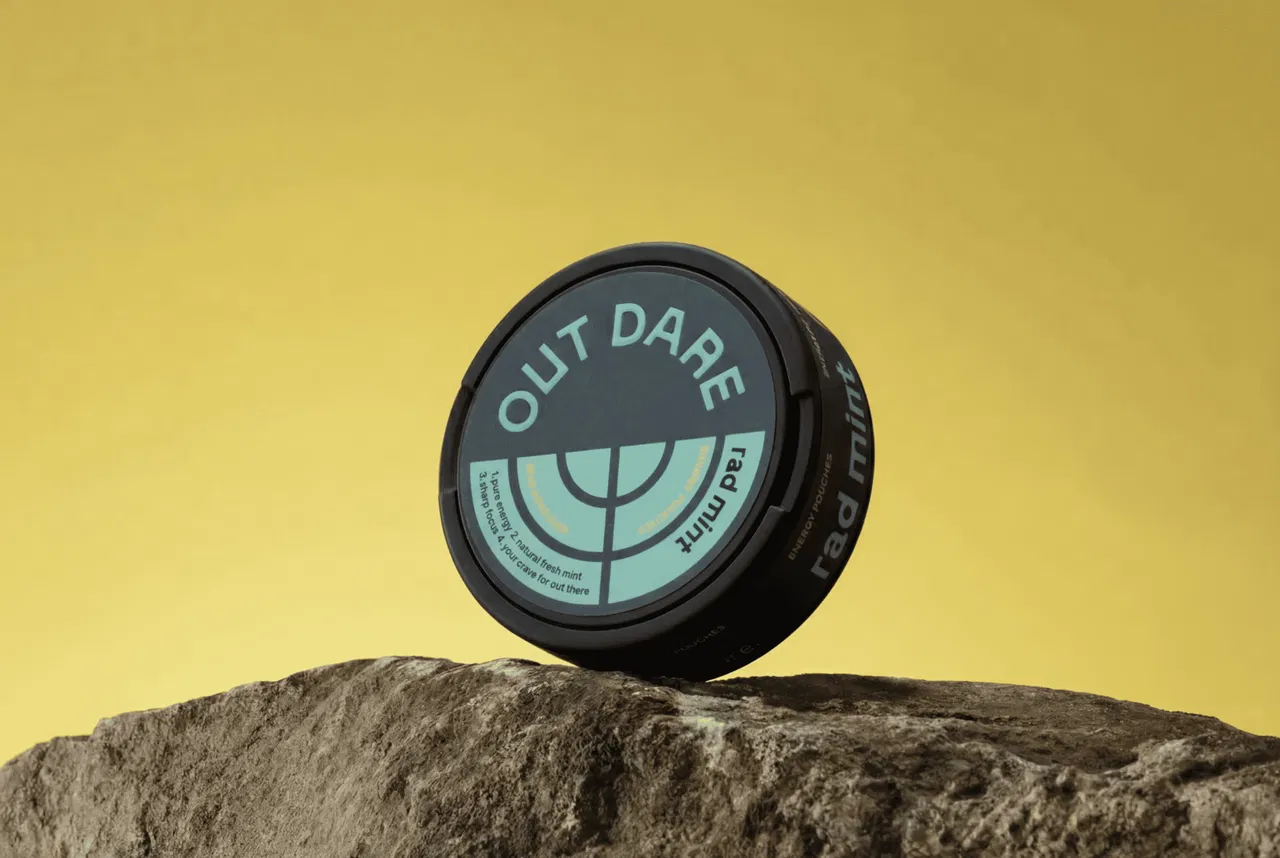
- Energy pouches: Contain caffeine (typically 40-80mg) combined with nootropics like Alpha-GPC or L-Theanine for clean, crash-free focus.
- CBD pouches: Deliver cannabidiol for on-demand relaxation, stress relief, and sleep support without any psychoactive effects.
Why the Distinction Matters
The CDC notes that nicotine pouches — even tobacco-free ones — deliver nicotine that "is absorbed through the lining of the mouth," creating dependency through repeated use. [2] Nicotine free oral pouches remove that dependency mechanism entirely while keeping the format intact.
Research published in PMC confirms that tobacco-free nicotine pouches (TFNPs) are an emerging category, but also flags that nicotine exposure itself carries cardiovascular and metabolic risks regardless of tobacco content. [3] The zero-nic format sidesteps those risks while preserving what most users actually miss: the ritual, the sensation, and the psychological anchor of having something under the lip.
Pro Tip: If you're currently using 15mg nicotine pouches, don't jump straight to zero-nic. The sensory shock of losing both the nicotine and the burn simultaneously is one of the top reasons reduction attempts fail. Start by matching the mouthfeel and burn of your current pouch in a zero-nic format, then reduce nicotine strength in parallel.
How Nicotine Free Oral Pouches Work
Nicotine free oral pouches work by satisfying the habitual and sensory components of pouch addiction — estimated at 60% of the total dependency — while removing the chemical driver entirely.
The 30/30/30 Addiction Framework
Most quit attempts fail because they treat addiction as a single problem: the chemical. But the science of habit formation tells a more nuanced story. Pouch dependency breaks down into three roughly equal components:
- 30% chemical: The nicotine itself — the dopamine hit, the alertness spike, the withdrawal when it's absent.
- 30% physical habit: The act of placing something under the lip. The "pillow" sensation. The tactile ritual that becomes automatic after months of use.
- 30% sensory cue: The gum burn, the mint flavor, the tingle that signals "this is working." These sensory markers become deeply conditioned triggers.
Standard nicotine replacement therapies — patches, gum, inhalers — address the chemical component but abandon the other 60%. That's why so many users relapse. The ritual and the burn are still calling. [4]
Nicotine free oral pouches, when formulated correctly, satisfy both the physical habit and the sensory cue simultaneously. The brain receives the familiar trigger — pouch under the lip, burn on the gum, mint on the tongue — and the craving response is substantially dampened. At Outdare LTD, we've found that users who switch to a sensorially identical zero-nic pouch reduce their nicotine intake by 60-90% within the first month, compared to negligible success rates with cold turkey approaches.
Neurological Mechanism: Habit Loops and Cue Substitution
Habit formation research (most notably the cue-routine-reward loop framework developed by MIT researchers and popularized by behavioral scientists) shows that habits are triggered by environmental and sensory cues, not just chemical need. [5] When you place a pouch under your lip, the burn and flavor act as the cue. Your brain has learned to associate that cue with the dopamine release from nicotine.
A zero-nic pouch with an identical sensory profile delivers the cue without the chemical reward. Over time, the brain recalibrates. The ritual remains; the dependency weakens. This is cue substitution, and it's the neurological engine behind every effective nicotine reduction system.
Energy pouches add another layer: they replace the "nicotine as energy" association — extremely common among heavy pouch users who reach for a pouch every time they need focus — with a real functional alternative. Fifty milligrams of caffeine combined with nootropics like L-Theanine (an amino acid that smooths caffeine's edge) delivers genuine cognitive lift without feeding the nicotine habit loop.
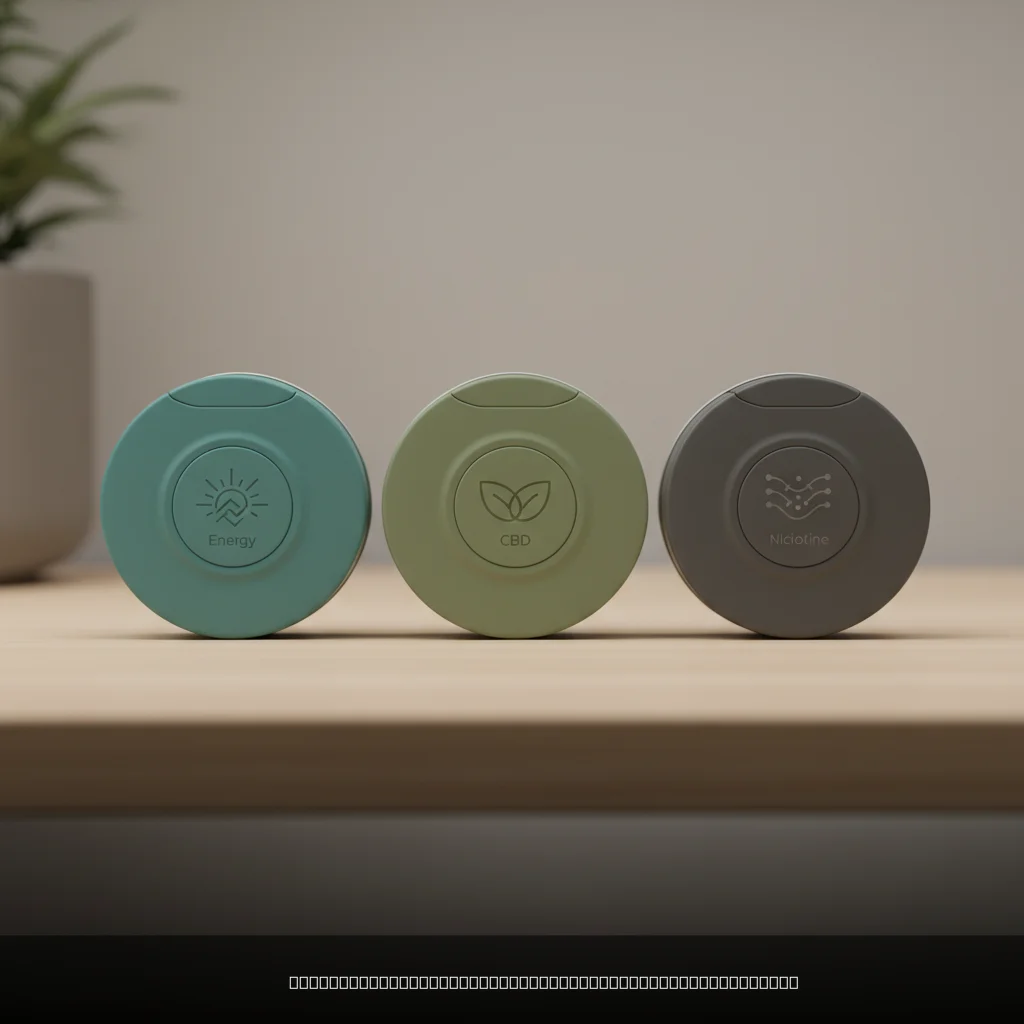
Key Benefits of Nicotine Free Oral Pouches
The primary benefit of nicotine free oral pouches is breaking chemical dependency while preserving the oral habit — but the advantages extend well beyond cessation support.
Health and Dependency Benefits
The health case for switching is clear. VCU Health experts explicitly warn that "tobacco-free does not mean risk-free" when nicotine is still present, citing potential oral health risks including gum recession and mucosal irritation. [6] Removing nicotine eliminates those specific risks while maintaining the format users are comfortable with.
Key health-related benefits include:
- No nicotine dependency: Zero chemical addiction risk. You can stop any time without withdrawal.
- Reduced cardiovascular strain: Nicotine raises heart rate and blood pressure with each use. Zero-nic pouches don't.
- Better sleep quality: Nicotine is a stimulant that disrupts sleep architecture, particularly REM sleep. Removing it — especially in the evening — typically improves sleep within 1-2 weeks.
- No gut disruption: Heavy nicotine pouch users frequently report gut discomfort and nausea. Zero-nic formats eliminate that driver.
- Oral health preservation: Plant-fiber pouches with xylitol-based formulas (xylitol is a sugar alcohol with demonstrated anti-cavity properties) are significantly gentler on gum tissue than nicotine-containing alternatives.
Functional and Lifestyle Benefits
Beyond cessation, this method serve distinct lifestyle functions that nicotine pouches simply can't:
- Discreet energy delivery: An energy pouch with 50mg caffeine and nootropics fits in a pocket, leaves no smell, produces no waste, and works in 10-15 minutes. No shaker bottle. No coffee breath. No sugar crash.
- Evening relaxation: A CBD pouch used as a wind-down ritual — same format as the daytime energy pouch — supports calm and better sleep without any psychoactive effect or dependency risk.
- Social discretion: No smoke, no vapor, no smell. Use anywhere, including offices, flights, and social settings where vaping or smoking would be noticed or prohibited.
- Cost reduction: Heavy nicotine pouch users spending €200-400/month typically reduce spend by 50-70% within the first month of a structured substitution system.
| Pouch Type | Active Ingredient | Primary Use Case | Dependency Risk |
|---|---|---|---|
| Nicotine Pouch (6-15mg) | Synthetic nicotine | Alertness, habit maintenance | High |
| Energy Pouch (50mg caffeine + nootropics) | Caffeine, L-Theanine, Alpha-GPC | Focus, pre-workout, deep work | Low (mild caffeine tolerance) |
| CBD Pouch | Cannabidiol (CBD) | Relaxation, sleep, stress relief | None |
| Pure Zero-Nic Pouch | None (fiber + flavor) | Habit maintenance, oral fixation | None |
Common Mistakes and Challenges
The most common mistake people make with this strategy is treating them as a willpower substitute rather than a system — expecting the pouch alone to eliminate cravings without any structural plan.
Mistake 1: Jumping to Zero Too Fast
Going from 15mg nicotine pouches to zero-nic overnight is the zero-nic equivalent of cold turkey. The chemical withdrawal hits hard, and users typically relapse within 48-72 hours. A common mistake is assuming that swapping the pouch is sufficient — it isn't. The nicotine reduction needs to be gradual (stepping down from 15mg to 12mg to 6mg over 2-4 weeks) while the zero-nic pouch handles the sensory and ritual components in parallel.
One pitfall to watch for: choosing a zero-nic pouch that doesn't match the burn intensity of your current nicotine pouch. If the sensory experience is noticeably weaker, your brain registers the difference and the craving gap widens. Sensory parity — same mint, same burn, same mouthfeel — is non-negotiable for effective substitution.
Mistake 2: Misreading the Dependency Type
Not all pouch cravings are nicotine cravings. Many heavy users reach for a pouch out of boredom, stress, or habitual timing (after meals, before meetings, during commutes) — not because of chemical withdrawal. Treating every craving as a nicotine craving leads to over-reliance on higher-strength pouches when a zero-nic or energy pouch would have handled the trigger just as well.
The Truth Initiative notes that oral nicotine pouches are increasingly used by young adults who associate the format with focus and productivity, not just nicotine delivery. [4] That association can be redirected. An energy pouch at 10am isn't a compromise — it's a better tool for the actual job.
Other common challenges include:
- Underestimating the sensory component: Users who switch to a zero-nic pouch with a different flavor or weaker burn often report it "doesn't feel right" and return to nicotine pouches within days.
- No structured plan: Reduction without a week-by-week framework tends to drift. The 4-Week Outdare Method (specific daily ratios of nicotine vs. zero-nic pouches, decreasing weekly) outperforms unstructured "I'll use fewer" approaches every time.
- Ignoring evening triggers: The 9pm pouch is often the hardest to replace because it's tied to relaxation, not energy. A CBD pouch in the evening slot addresses the actual need — calm, not stimulation.
Pro Tip: Track your pouch usage by trigger type for 3 days before starting a reduction plan. Mark each use as "energy/focus," "stress/anxiety," "habit/boredom," or "craving." Most users discover that fewer than 40% of their daily pouches are genuine nicotine cravings — the rest can be replaced immediately with energy or CBD variants.
Best Practices for Choosing and Using Nicotine Free Oral Pouches in 2026
The best approach to this approach in 2026 combines sensory matching, structured step-down dosing, and trigger-specific pouch selection — not just swapping one product for another.
How to Choose the Right Zero-Nic Pouch
With the market expanding rapidly, product quality varies enormously. As of 2026, independent rankings and consumer testing (such as those published by Nectr Energy's review team) highlight ingredient quality, mouthfeel consistency, and burn intensity as the primary differentiators. [7] Here's what to evaluate:
- Filler material: Plant-fiber (cellulose) fillers deliver a more natural mouthfeel than synthetic alternatives. Look for European-manufactured pouches with clean ingredient lists.
- Sweetener type: Xylitol-based formulas are preferable to sugar alcohols like sorbitol, which can cause digestive discomfort with frequent use.
- Burn intensity: This is the most underrated specification. If you're used to a strong gum burn from high-strength nicotine pouches, a mild zero-nic pouch will feel flat. Match the intensity level.
- Active ingredients: For energy pouches, look for caffeine combined with L-Theanine (which smooths the energy curve and reduces jitters). For CBD pouches, verify the CBD content per pouch and ensure the product is derived from EU-compliant hemp.
- Flavor consistency: The flavor should be identical across all variants you plan to rotate. If your nicotine pouch is mint and your zero-nic is citrus, the sensory substitution won't work.
The 4-Week Reduction Method: Step by Step
- Week 1 — Audit and introduce: Continue your current nicotine pouch routine. Add one energy or CBD pouch daily in your lowest-craving slot (typically mid-afternoon or evening). Track all usage by trigger type.
- Week 2 — Replace 30%: Swap approximately one-third of your daily nicotine pouches with zero-nic or energy variants. Prioritize habit-driven and stress-driven slots first.
- Week 3 — Replace 60%: Step down nicotine strength by one level (e.g., 15mg to 12mg, or 12mg to 6mg) while increasing zero-nic usage. Keep morning and high-focus slots as nicotine if needed.
- Week 4 — Replace 80-90%: Most users are using 1-3 nicotine pouches per day by this point, reserved for genuine chemical craving moments. All other slots are covered by energy or CBD variants.
Industry analysts suggest that structured substitution protocols consistently outperform unassisted cessation attempts, with the oral ritual preservation being the key variable. The Campaign for Tobacco-Free Kids acknowledges that the sensory appeal of pouches is a primary driver of continued use — which means that appeal, redirected, is also the most powerful lever for reduction. [5]
Pro Tip: Our team at Outdare LTD recommends starting with a Discovery Pack that includes all three pouch types before committing to a reduction schedule. Most users are surprised to find that 2-3 of their daily nicotine slots feel completely satisfied by the energy pouch — especially the 10am and pre-workout moments that were never really about nicotine at all.
Sources & References
- MyNicco, "Nicotine Free Pouches – A Full Guide," 2026
- CDC, "Nicotine Pouches | Smoking and Tobacco Use," 2026
- PMC / NCBI, "Tobacco-Free Nicotine Pouches and Their Potential Contribution to Harm Reduction," 2024
- Truth Initiative, "What is Zyn and what are oral nicotine pouches?," 2024
- Campaign for Tobacco-Free Kids, "Nicotine Pouches," 2025
- VCU Health, "How safe are nicotine pouches? Tobacco-free does not mean risk-free," 2024
- Nectr Energy, "Best Nicotine-Free Pouches 2026: 8 Brands Tested & Ranked," 2026
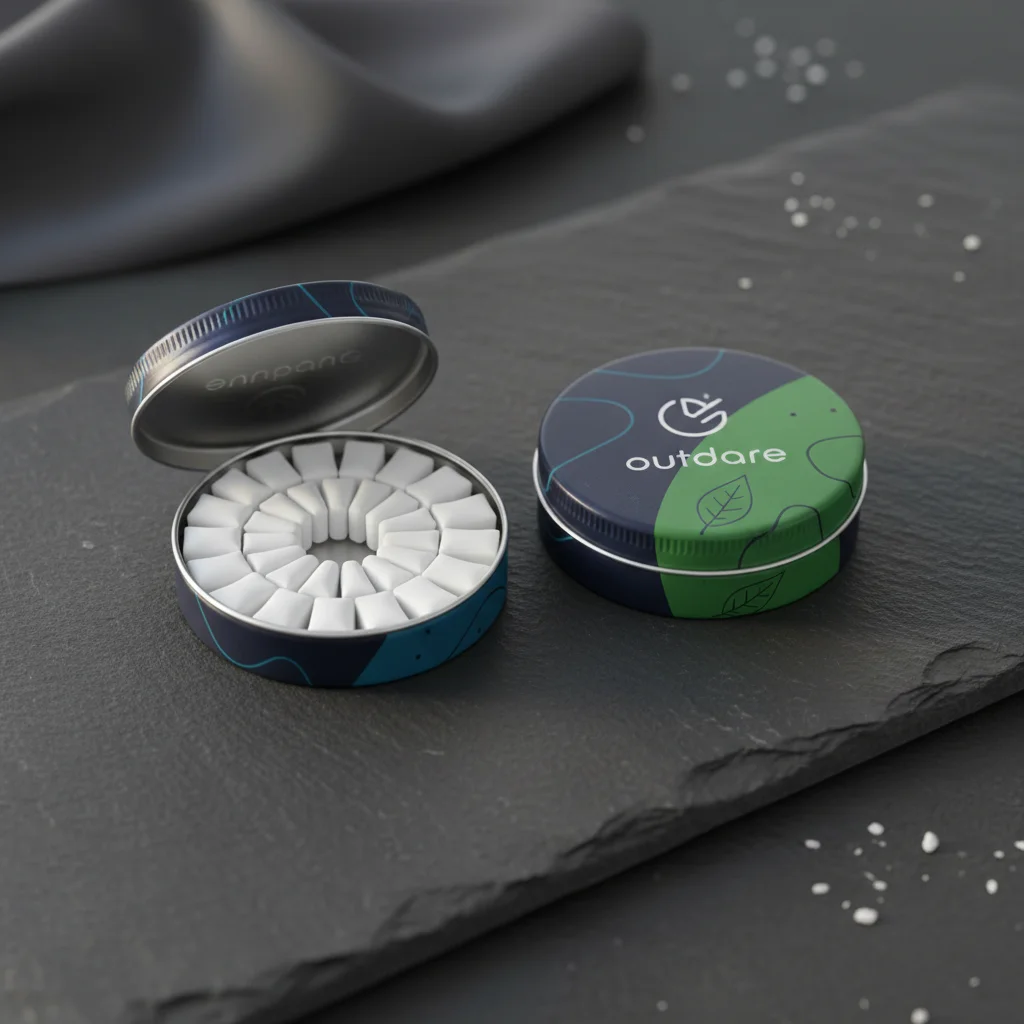
Frequently Asked Questions
1. Can nicotine raise AST levels?
Yes. Research indicates that nicotine administration significantly increases liver enzyme levels including ALT and AST (markers of liver stress), alongside elevated blood glucose and globulin, while decreasing albumin and total protein. This suggests that regular nicotine exposure — even from tobacco-free pouches — places measurable metabolic strain on the liver. Switching to the practice eliminates this specific risk factor entirely, as there is no nicotine present to trigger these biochemical responses.
2. Do nicotine free pouches actually satisfy cravings?
They satisfy the 60% of the craving that isn't chemical. The physical sensation of a pouch under the lip and the gum burn are powerful conditioned triggers that drive most day-to-day reaching behavior. A well-formulated zero-nic pouch with matched burn intensity and flavor substantially dampens the urge to use a nicotine pouch in most habitual and stress-driven contexts. For genuine nicotine withdrawal moments (typically 30% of total cravings), a step-down nicotine pouch alongside the zero-nic format is more effective than zero-nic alone.
3. What are the best nicotine free oral pouches available in 2026?
As of 2026, the strongest options combine functional ingredients with high sensory fidelity. Independent testing published by Nectr Energy ranks brands on ingredient quality, mouthfeel, and burn consistency. For a structured reduction system specifically, the best choice is a brand that offers sensorially identical nicotine and zero-nic variants — so the brain can't distinguish between them during substitution. Outdare's three-pouch system (Nicotine, Energy, CBD) is the only European option designed explicitly around this matched-sensory approach, with plant-fiber fillers, xylitol formula, and natural mint developed by a former mixologist.
4. Are nicotine free pouches safe?
Pure zero-nic pouches with clean ingredient lists are considered low-risk for most healthy adults. The primary ingredients — plant cellulose, xylitol, and natural flavoring — have well-established safety profiles. There is no nicotine to drive cardiovascular strain, no tobacco to deliver carcinogens, and no combustion products. That said, any product placed against gum tissue for extended periods should be used in moderation. Results may vary based on individual sensitivity, and users with existing oral health conditions should consult a healthcare provider.
5. Where can I buy nicotine free oral pouches in Europe?
As of 2026, this practice are available through specialist online retailers across Europe and direct-to-consumer from brands like Outdare, which ships to France, Denmark, Slovenia, Finland, Ireland, and the Netherlands. DTC purchasing typically offers better pricing, bundle options (Discovery Packs), and access to multi-variant systems that aren't available through general retail. Amazon also carries zero-nic options, though the range is narrower and functional variants (energy + nootropics, CBD) are less consistently available.
6. Can I use nicotine free pouches to quit nicotine completely?
Yes — and they're more effective than most pharmaceutical NRT approaches for users who are attached to the oral ritual. The key is using them as part of a structured step-down system rather than as a standalone replacement. Most users who follow the 4-Week Method (gradually replacing nicotine pouches with zero-nic, energy, and CBD variants while stepping down nicotine strength) report 60-90% nicotine reduction within the first month. Complete cessation typically follows within 2-3 months for motivated users. One limitation is that this approach requires consistency; sporadic use without a plan produces significantly weaker results.
7. What's the difference between nicotine free pouches and nicotine pouches?
The format is identical — both are small white sachets placed under the lip. The difference is the active ingredient. Nicotine pouches contain synthetic nicotine (typically 2-20mg per pouch) that is absorbed through the oral mucosa, creating dependency and delivering a stimulant effect. this method contain no nicotine — instead using plant fiber, flavoring, and optionally functional ingredients like caffeine or CBD. The sensory experience (burn, mouthfeel, flavor) can be made virtually identical, which is what makes them effective as substitutes.
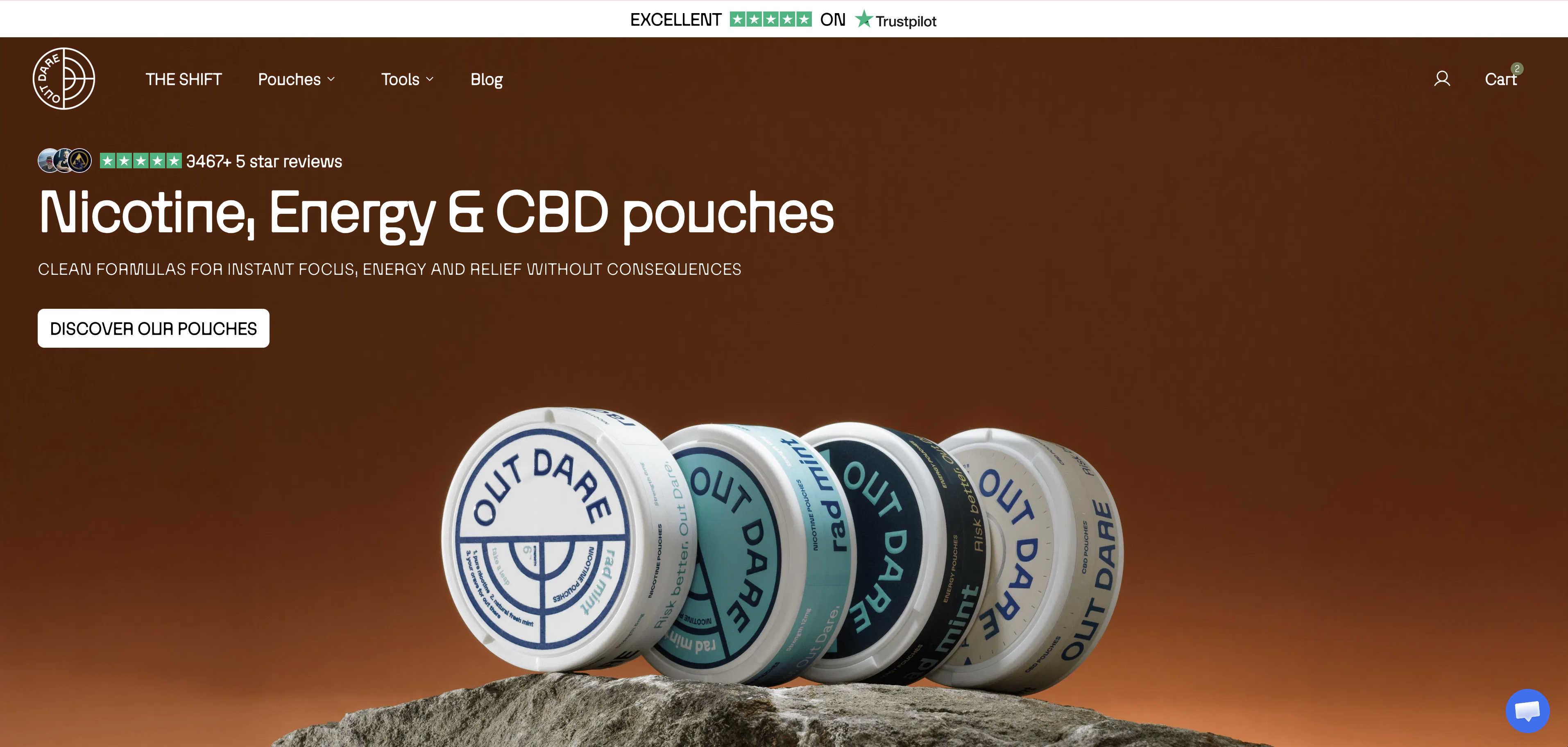
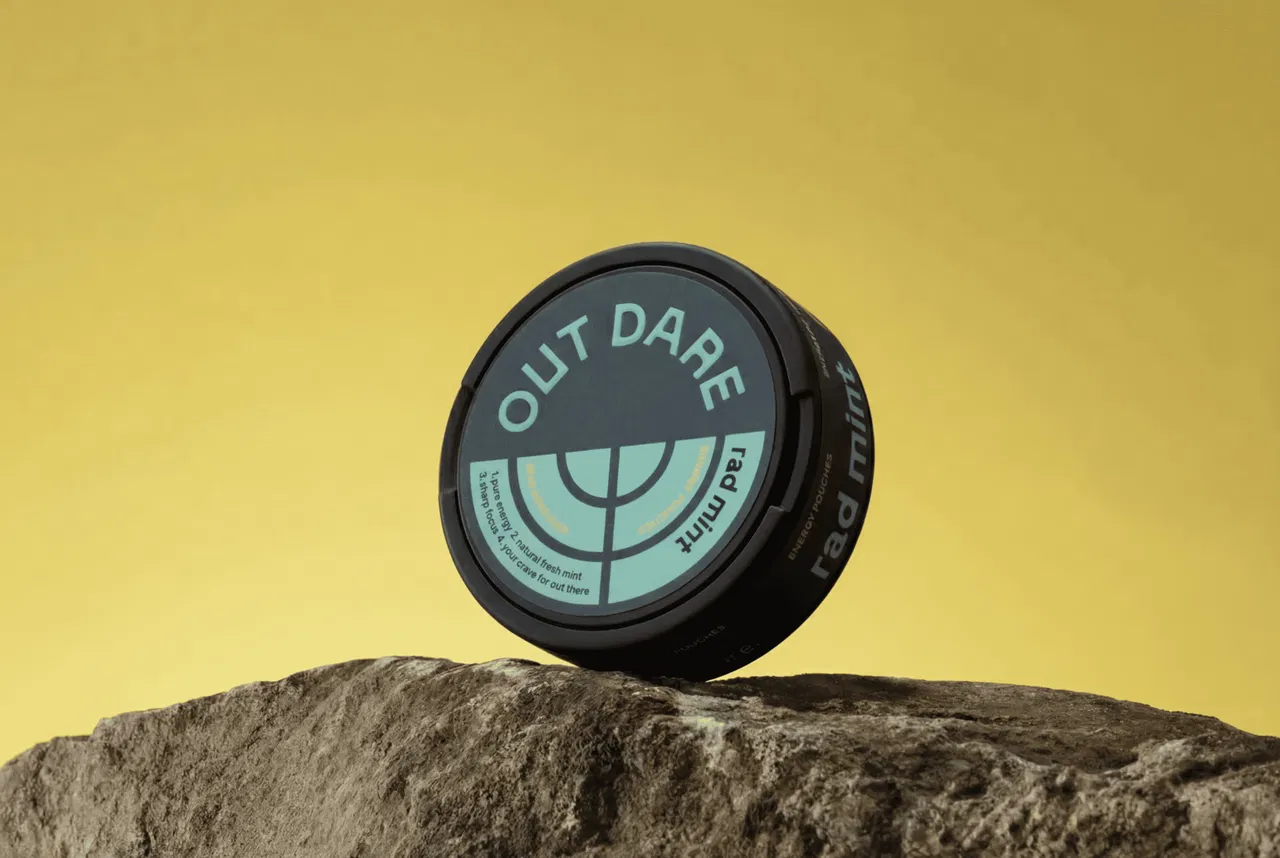
Conclusion
Here's the honest summary: this strategy aren't a magic fix. They're a tool. A good one — but only when used with a plan that respects how addiction actually works. The ritual is real. The burn is real. The habit loop is real. And the good news is that 60% of what keeps you reaching for a pouch has nothing to do with nicotine at all.
That's the opening. A zero-nic pouch that matches your current pouch's sensory profile can handle the habit and the burn while you step down the chemical piece at a pace that doesn't feel like deprivation. Add an energy pouch for the focus slots and a CBD pouch for the evening wind-down, and you've replaced a single-ingredient dependency with a three-tool system that actually fits your life.
Outdare LTD was built specifically around this gap — the space between "I want to quit" and "I can't lose the ritual." The three-pouch system (Nicotine, Energy, CBD), all sharing the same mint taste, burn, and mouthfeel, is the most complete implementation of this approach available in Europe as of 2026. If you're spending €200+ a month on nicotine pouches and you've already tried cold turkey at least once, this approach aren't a compromise. They're the smarter risk.
Risk Better. Out Dare.
Recommended Articles
Explore more from our content library: