





Top Nootropics for Focus, Energy, and Mental Clarity
| Key Insight | Explanation |
|---|---|
| Nootropics are cognitive enhancers | They support focus, memory, and mental energy through natural or synthetic compounds — not stimulants in the traditional sense. |
| The caffeine + L-Theanine stack is the most validated | This combination delivers alertness without jitteriness, making it the most widely recommended starting point for cognitive optimization. |
| Delivery format matters as much as the ingredient | Absorption speed and convenience determine whether a nootropic actually fits into your daily routine — or gets skipped. |
| Brain fog is often a dependency symptom | Heavy nicotine users frequently misattribute withdrawal-related fog to low focus, when the real fix is reducing chemical dependency, not adding more stimulants. |
| Nootropic pouches are an emerging delivery format | Fast-absorbing oral pouches combining caffeine and nootropics offer a discreet, portable alternative to pills, drinks, and shaker bottles. |
| Stacking compounds amplifies results | Combining complementary nootropics (e.g., caffeine + L-Theanine + Alpha-GPC) produces synergistic effects that outperform single-ingredient supplements. |
The best nootropics for focus aren't magic pills — they're specific compounds, used correctly, that support your brain's natural chemistry for sharper thinking, faster recall, and sustained attention. If you've been relying on caffeine alone, or worse, using nicotine as a proxy for focus, you're leaving a lot of cognitive performance on the table. This guide breaks down the top nootropic ingredients validated by research as of 2026, explains how they work, and gives you a practical framework for choosing what actually fits your lifestyle. Whether you're optimizing deep work sessions, managing post-nicotine brain fog, or just looking for clean energy without the crash, there's a compound — or a combination — that belongs in your stack.
What Are Nootropics? A Clear Definition
Nootropics are compounds — natural or synthetic — that enhance cognitive functions including focus, memory, mental energy, and resistance to fatigue, without causing significant harm or dependency. The term was coined in 1972 by Romanian psychologist Corneliu Giurgea, who defined a true nootropic as something that enhances learning and memory while protecting the brain and producing minimal side effects [1]. This is particularly relevant for best nootropics for focus.
Natural vs. Synthetic Nootropics
The category splits into two broad camps. Natural nootropics include plant-derived compounds like Bacopa monnieri, Lion's Mane mushroom, and Rhodiola rosea. Synthetic nootropics include racetams and pharmaceutical compounds like modafinil. For most people optimizing daily focus, the natural category is the safer and more sustainable starting point.
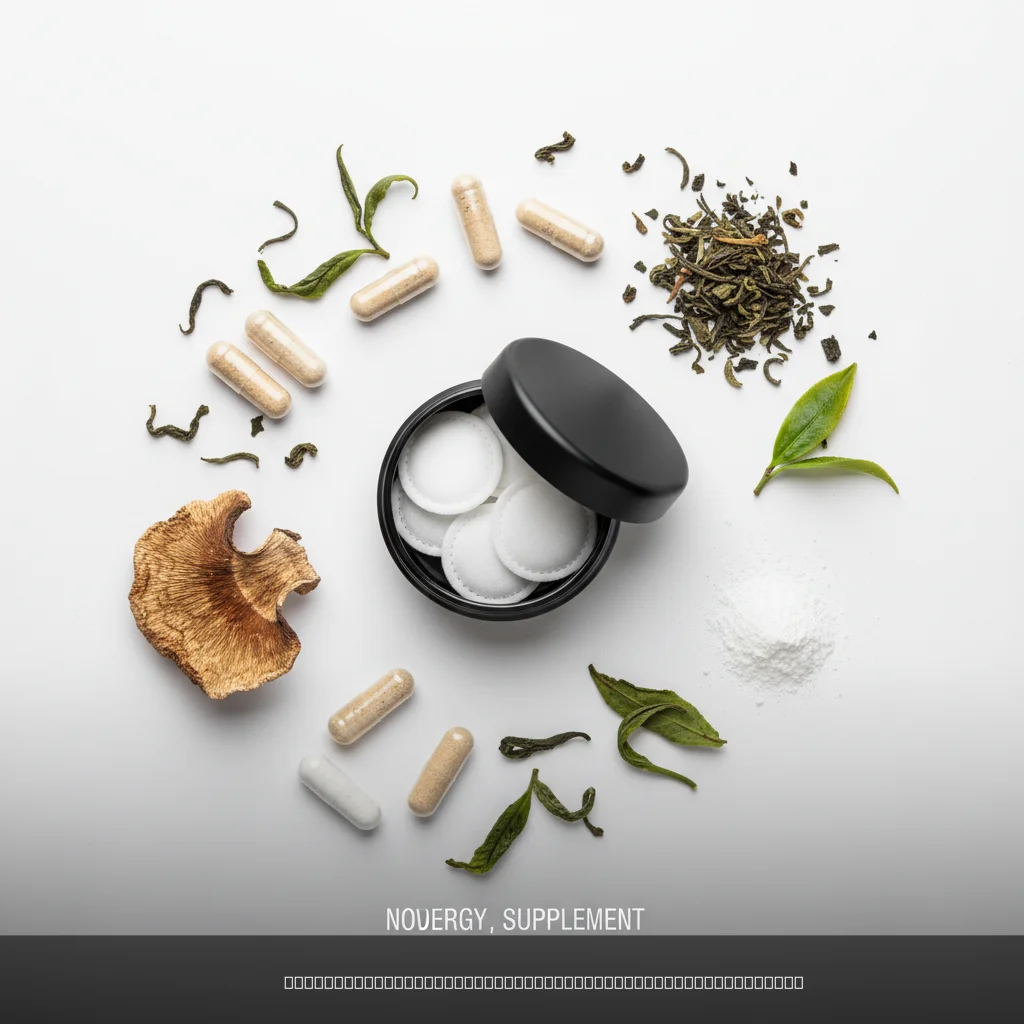
- Natural nootropics: Caffeine, L-Theanine, Bacopa monnieri, Lion's Mane, Rhodiola rosea, Ginkgo biloba, Alpha-GPC, Citicoline
- Synthetic/pharmaceutical nootropics: Modafinil, Piracetam, Aniracetam (prescription in most EU countries)
- Hybrid stacks: Pre-formulated blends combining multiple natural compounds at clinical doses
According to a review published in Biomedicines, nootropics exert their effects through several mechanisms: increasing cerebral blood flow, modulating neurotransmitter levels (particularly acetylcholine and dopamine), reducing oxidative stress, and supporting neuroplasticity (the brain's ability to form new connections) [1].
Who Actually Uses Nootropics?
The user base has expanded well beyond Silicon Valley biohackers. As of 2026, nootropic supplements are used by students, executives, athletes, and people managing cognitive decline. A growing segment includes former nicotine users who experience brain fog during reduction — and who need clean cognitive support that doesn't add another chemical dependency.
Pro Tip: Before adding any nootropic, audit what's already affecting your cognition. Nicotine dependency, poor sleep, and dehydration cause more brain fog than any supplement can fix. Address the root cause first, then layer in targeted nootropics.
The Best Nootropics for Focus in 2026
The best nootropics for focus in 2026 are compounds with peer-reviewed evidence behind them — not trending ingredients with marketing budgets. Here's a ranked breakdown of what actually works, why it works, and who it's best suited for.
1. Caffeine — The Baseline Stimulant
Caffeine is the world's most widely consumed psychoactive substance, and for good reason. It works by blocking adenosine receptors — adenosine being the neurotransmitter responsible for making you feel tired — which increases alertness and reduces perceived effort during cognitive tasks [2].
- Effective dose: 50–200mg depending on tolerance
- Onset: 30–60 minutes (oral); faster via sublingual or buccal formats
- Best for: Immediate alertness, sustained attention, physical performance
- Limitation: Tolerance builds quickly; anxiety and jitteriness at higher doses
Used alone, caffeine can cause the familiar crash and jitter cycle. That's why most serious nootropic users pair it with L-Theanine (see below). Forbes Health notes caffeine as one of the most consistently recommended nootropics by nutrition experts, specifically for its well-documented impact on reaction time and working memory [3]. When considering best nootropics for focus, this point stands out.
2. L-Theanine — Calm Focus Without Sedation
L-Theanine is an amino acid found naturally in green tea. On its own, it promotes relaxation without drowsiness. Combined with caffeine, it smooths out the stimulant's rough edges — reducing anxiety and jitteriness while preserving and often amplifying the focus benefits [4].
- Effective dose: 100–200mg (typically at a 2:1 ratio with caffeine)
- Mechanism: Increases alpha brain wave activity, which is associated with relaxed alertness
- Best for: Deep work, creative tasks, anxiety-prone users
- Limitation: Mild on its own; most effective when stacked
3. Alpha-GPC — The Acetylcholine Precursor
Alpha-GPC (alpha-glycerophosphocholine) is a choline compound that crosses the blood-brain barrier efficiently and boosts acetylcholine (the neurotransmitter most directly tied to learning and memory) synthesis. It's a staple in serious nootropic stacks and is used clinically in Europe for cognitive decline [5].
- Effective dose: 300–600mg per day
- Best for: Memory consolidation, learning speed, focus under mental load
- Limitation: Higher cost than other nootropics; some users report headaches at high doses
4. Bacopa Monnieri — The Long-Game Memory Booster
Bacopa monnieri is an Ayurvedic herb with a strong evidence base for improving memory formation and reducing cognitive fatigue. Unlike caffeine, its benefits build over weeks — making it a long-term investment rather than an acute focus tool [6].
- Effective dose: 300–450mg of standardized extract (45% bacosides)
- Onset: 4–12 weeks for full effect
- Best for: Students, researchers, anyone processing large volumes of information
- Limitation: Slow onset; must be taken consistently with food (fat-soluble)
5. Lion's Mane Mushroom — Neuroplasticity Support
Lion's Mane (Hericium erinaceus) is a medicinal mushroom that stimulates nerve growth factor (NGF) production — a protein that supports the growth and maintenance of neurons. Research suggests it may improve mild cognitive impairment and support long-term brain health [7].
- Effective dose: 500–3,000mg of fruiting body extract
- Best for: Neuroplasticity, long-term cognitive health, post-burnout recovery
- Limitation: Quality varies significantly between products; look for fruiting body extracts, not mycelium on grain
6. Rhodiola Rosea — The Stress Adapter
Rhodiola rosea is an adaptogen — a compound that helps the body regulate its stress response. It reduces mental fatigue under stress and improves sustained attention during demanding cognitive tasks. Industry analysts suggest it's particularly effective for people experiencing burnout-related cognitive decline [3]. For those exploring best nootropics for focus, this matters.
- Effective dose: 200–600mg of standardized extract (3% rosavins, 1% salidroside)
- Best for: High-pressure environments, exam periods, chronic stress
- Limitation: Can be mildly stimulating; not ideal taken late in the day
7. Citicoline (CDP-Choline) — Brain Energy and Neuroprotection
Citicoline is a precursor to both phosphatidylcholine (a key component of brain cell membranes) and acetylcholine. It supports brain energy metabolism and has been shown to improve attention and focus in clinical settings. It's often sold under the brand name Cognizin [8].
- Effective dose: 250–500mg per day
- Best for: Focus, memory, users recovering from nicotine dependency
- Limitation: Premium pricing; overlaps with Alpha-GPC (choose one, not both)
| Nootropic | Primary Benefit | Onset | Best Stacked With | Evidence Level |
|---|---|---|---|---|
| Caffeine | Alertness, reaction time | 30–60 min | L-Theanine | Strong |
| L-Theanine | Calm focus, reduced jitter | 30–60 min | Caffeine | Strong |
| Alpha-GPC | Memory, acetylcholine boost | 1–2 hours | Caffeine, Citicoline | Moderate–Strong |
| Bacopa Monnieri | Long-term memory formation | 4–12 weeks | Lion's Mane | Strong |
| Lion's Mane | Neuroplasticity, NGF support | Weeks | Bacopa, Citicoline | Moderate |
| Rhodiola Rosea | Stress resilience, mental stamina | Days–weeks | Ashwagandha | Moderate–Strong |
| Citicoline | Brain energy, neuroprotection | 1–2 hours | Caffeine, L-Theanine | Strong |
How Nootropic Stacks Work — and Why Stacking Beats Single Ingredients
A nootropic stack is a deliberate combination of two or more cognitive-enhancing compounds designed to produce synergistic effects greater than any single ingredient alone. Stacking is how experienced biohackers and cognitive athletes get real, measurable results rather than marginal improvements.
The Classic Stack: Caffeine + L-Theanine
This is the most validated nootropic combination in existence. Caffeine drives alertness and blocks fatigue signals. L-Theanine smooths the edges — reducing anxiety, preventing the jitter-crash cycle, and actually extending the effective focus window. Research from the Nutritional Neuroscience journal found that the combination improved speed and accuracy on attention tasks more than either compound alone [4].
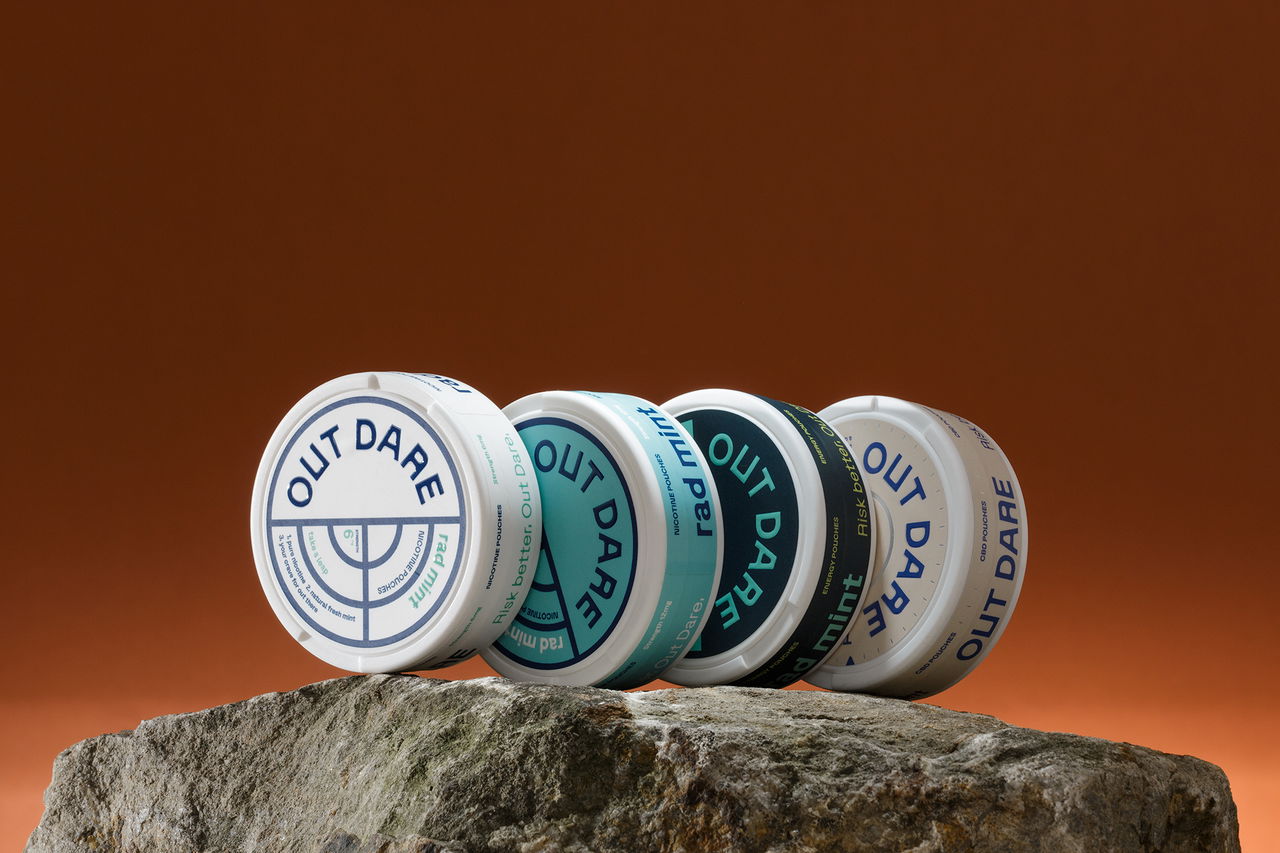
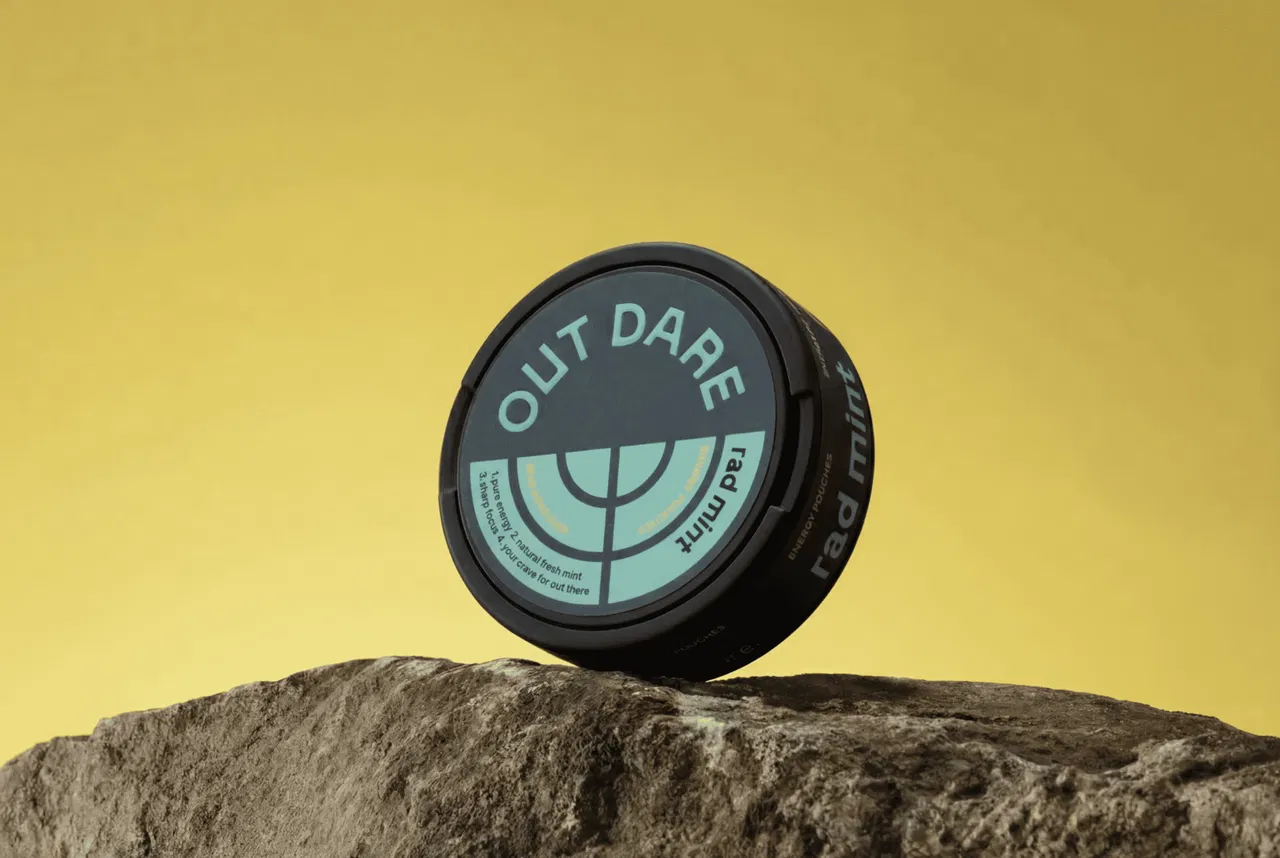
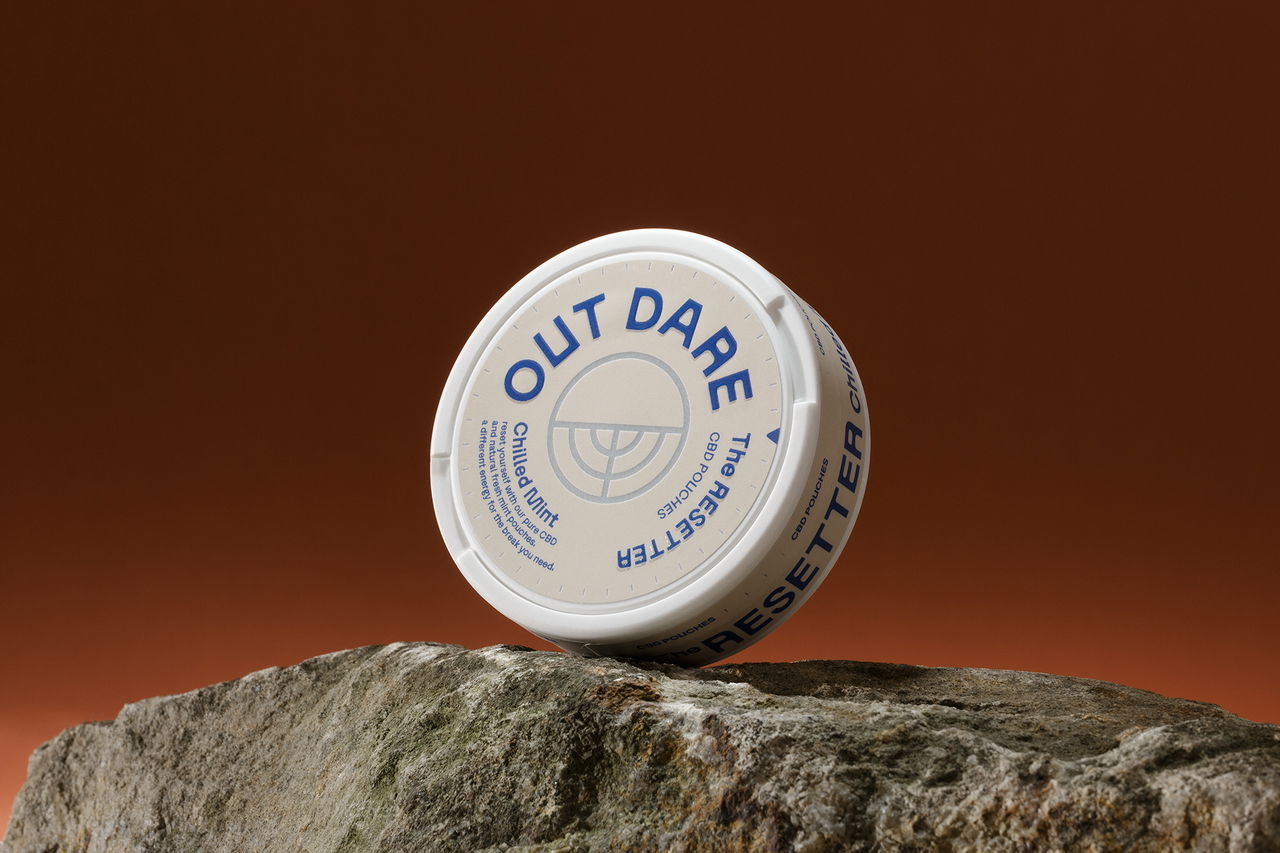
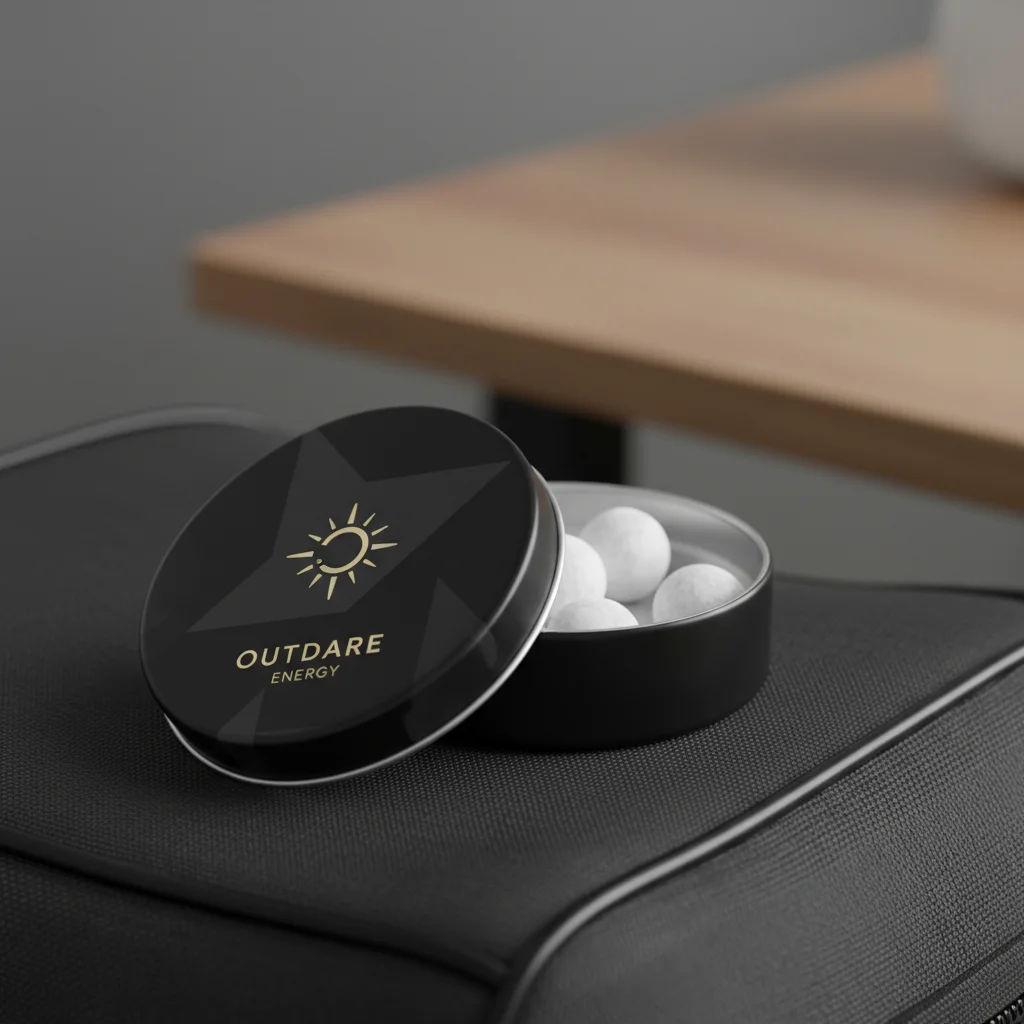
The standard ratio is 1:2 (caffeine to L-Theanine) — so 50mg caffeine with 100mg L-Theanine, or 100mg with 200mg. This is the stack that forms the foundation of Outdare's Energy Pouch formula, delivering 50mg of caffeine alongside complementary nootropic compounds in a zero-nicotine, zero-sugar oral format.
Advanced Stacks for Deep Work
Once you've established the caffeine + L-Theanine baseline, you can layer in compounds that address specific cognitive bottlenecks: This directly impacts best nootropics for focus outcomes.
- For memory consolidation: Add Bacopa monnieri (300mg) taken daily with a fat-containing meal
- For acetylcholine support: Add Alpha-GPC (300mg) or Citicoline (250mg) — not both simultaneously
- For stress resilience: Add Rhodiola rosea (200–400mg) in the morning
- For long-term neuroplasticity: Add Lion's Mane (1,000–3,000mg) as a daily baseline
Pro Tip: Don't add more than one new compound per week. This lets you isolate what's working and avoid confounding variables. Track your focus quality, sleep, and mood in a simple journal — the data you collect on yourself is more useful than any generalized recommendation.
A common mistake is loading up on five or six nootropics simultaneously. You can't identify what's helping, what's causing side effects, or what's redundant. Start with the caffeine + L-Theanine stack for two weeks, assess, then add one compound at a time.
At Outdare LTD, we've found that the most effective approach for people transitioning off nicotine is to replace the nicotine ritual with a clean caffeine + nootropic format first. The ritual stays intact. The chemical dependency gets phased out. That's the 30/30/30 principle in action: 60% of the addiction is habit and burn, not nicotine — so keeping the format while swapping the contents is the lever most people miss [1].
Delivery Formats: Pills, Drinks, or Pouches?
The delivery format of a nootropic affects how quickly it absorbs, how convenient it is, and whether you'll actually use it consistently. Consistency is the variable most people underestimate.
Comparing Common Delivery Methods
- Capsules/pills: Convenient, precise dosing, but slow absorption (30–90 minutes) and inconvenient without water
- Powders/drinks: Faster absorption, flexible dosing, but require preparation and are impractical on the go
- Energy drinks: Fast and convenient, but typically loaded with sugar, artificial ingredients, and excessive caffeine doses that cause crashes
- Sublingual/buccal formats (oral pouches): Fastest absorption via the oral mucosa, no preparation required, discreet, portable — and increasingly formulated with nootropic compounds
Harvard Health notes that supplement quality and bioavailability vary enormously between products, and that delivery method is a key factor in whether a compound reaches effective concentrations in the brain [9].
Why Oral Pouches Are Gaining Ground in 2026
Oral pouches sit under the lip and deliver compounds through the buccal mucosa — the thin tissue lining the inside of the cheek. This bypasses first-pass metabolism in the liver, meaning compounds reach the bloodstream faster and at higher effective concentrations than swallowed pills. This is particularly relevant for best nootropics for focus.
For people who already use oral pouches — whether for nicotine, or as former nicotine users — this format has a built-in behavioral advantage. The ritual is already established. Switching to an Energy pouch with caffeine and nootropics doesn't require building a new habit from scratch. You already know how to use the format. You just change what's inside it.
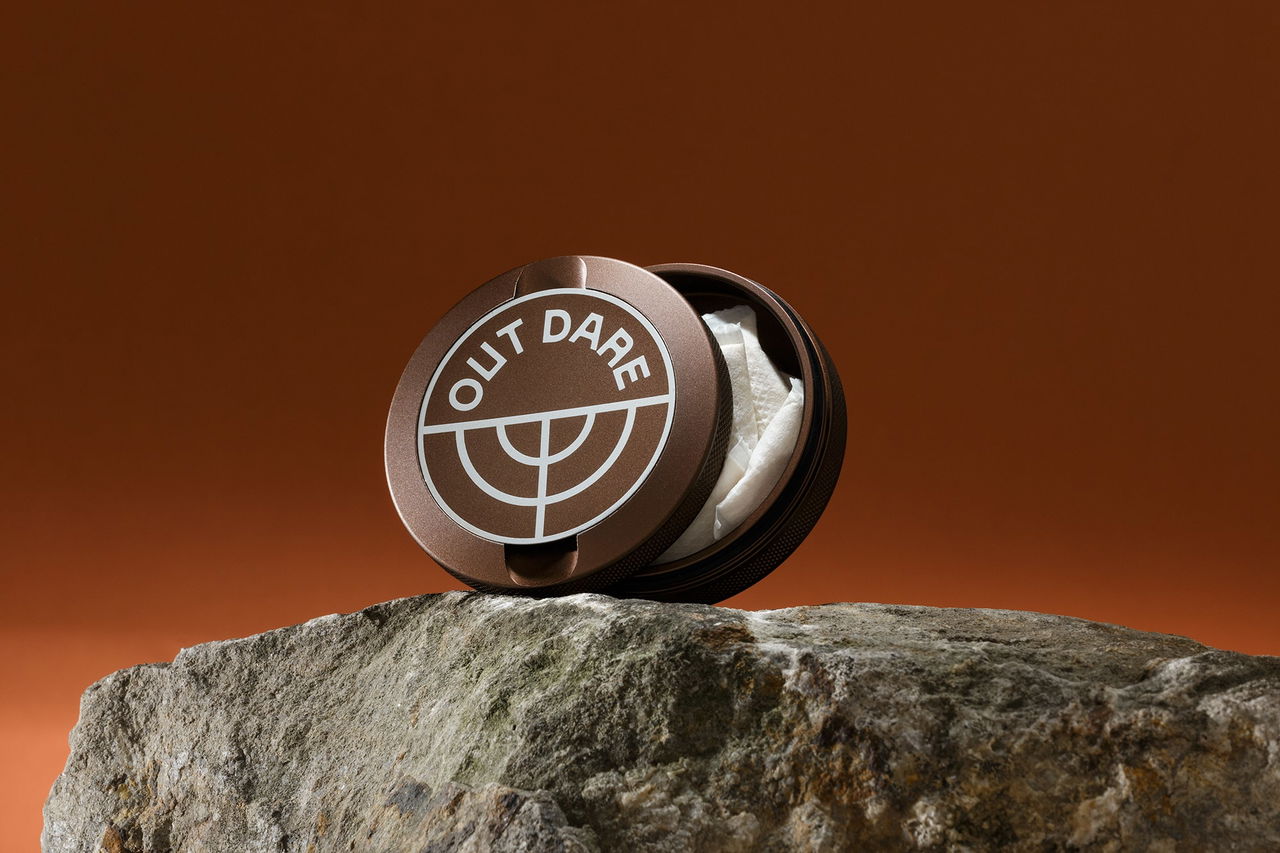
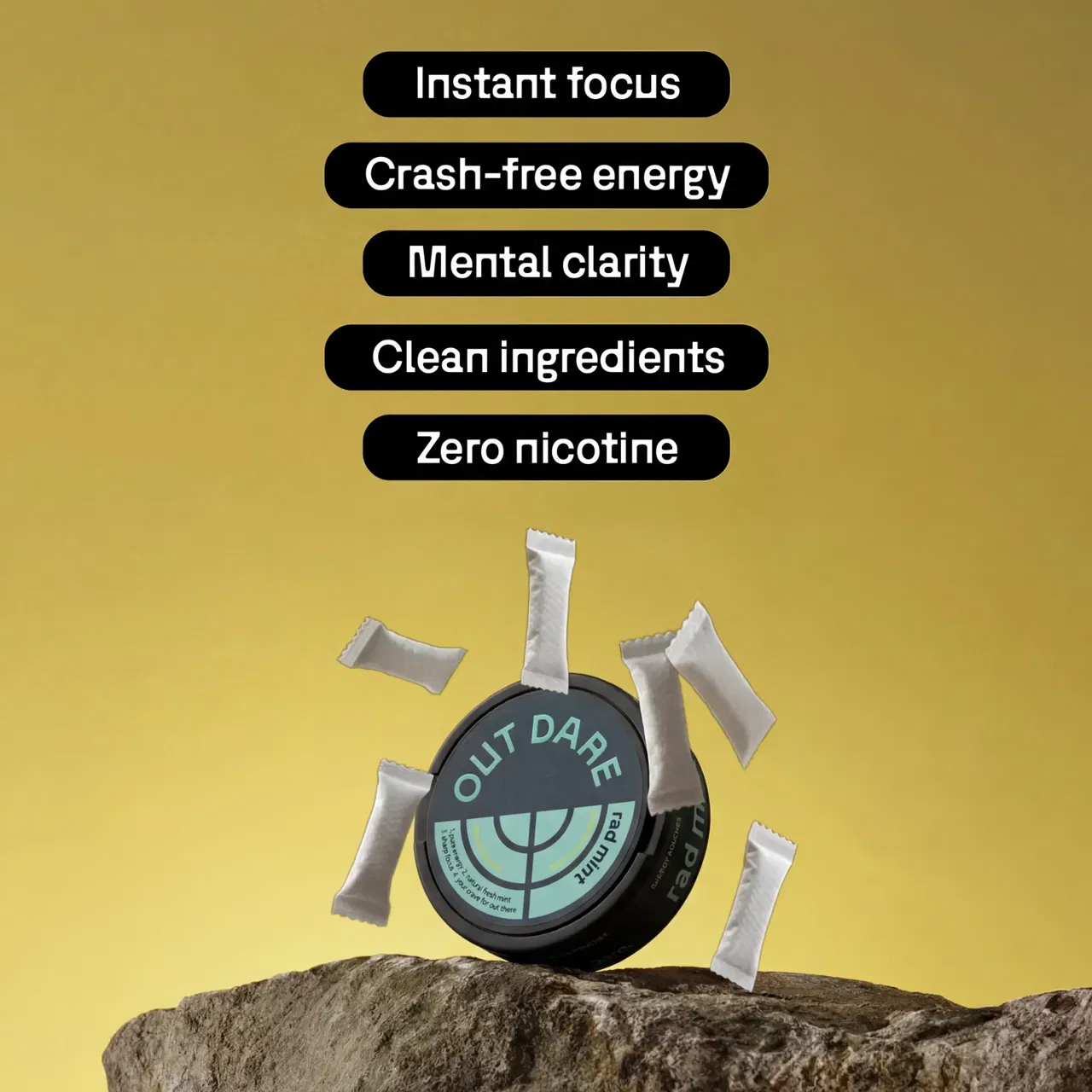
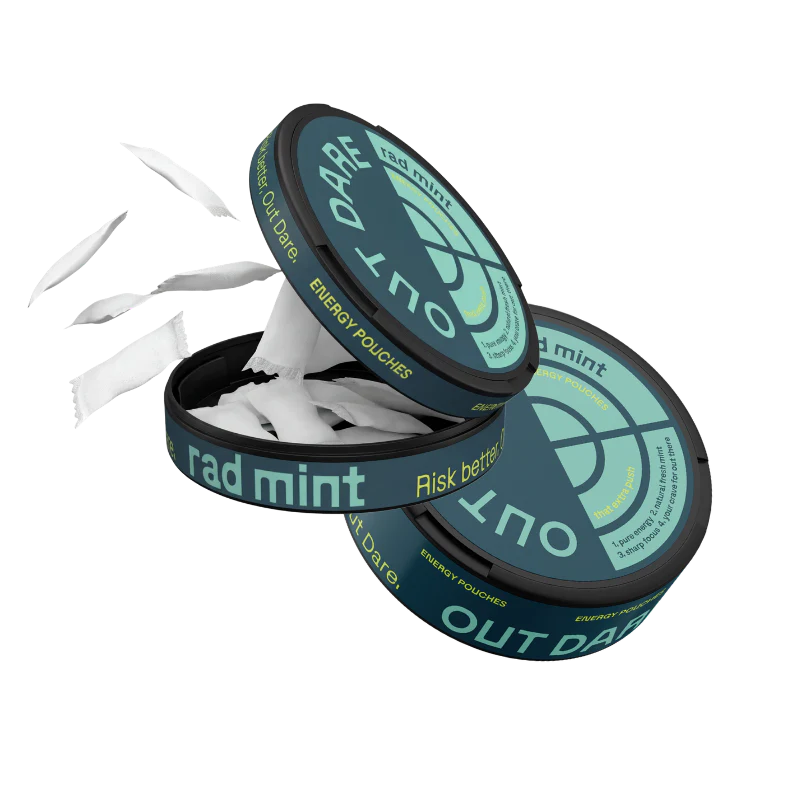
This is exactly what makes Outdare's Energy Pouch a practical nootropic delivery system for the 18–38 demographic that's already pouch-literate. No shaker bottle. No sugar crash. No jitters. Just 50mg of caffeine plus nootropic compounds, absorbed quickly, with zero nicotine and zero tobacco.
Pro Tip: If you're a former or current nicotine pouch user transitioning to clean energy, start with the Energy pouch in your first two sessions of the day — when you'd normally reach for a nicotine pouch out of habit, not actual craving. You're satisfying the 60% (ritual + burn) without feeding the 30% (chemical dependency).
How to Choose the Right Nootropic for Your Needs in 2026
Choosing the right nootropic depends on your specific cognitive bottleneck, your lifestyle, your current stimulant load, and whether you're managing any underlying dependency issues. There's no universal answer — but there is a clear decision framework.
Step-by-Step Selection Framework
- Identify your primary cognitive problem. Is it alertness and reaction time? Memory formation? Stress-induced fog? Each has a different primary compound.
- Audit your current stimulant load. How much caffeine are you already consuming? Are you using nicotine? Both affect your baseline and your tolerance.
- Start with the most evidence-backed compound for your goal. For focus: caffeine + L-Theanine. For memory: Bacopa. For stress: Rhodiola. Don't skip to advanced stacks before mastering the basics.
- Choose a format that fits your life. If you won't remember to take a pill with breakfast, a pouch or drink format will serve you better.
- Track for two weeks before adding anything new. Subjective journaling plus objective metrics (task completion, sleep quality, mood) will tell you more than any review.
- Reassess at 30 days. Most nootropics — especially adaptogens and mushrooms — require consistent use over weeks to show full effects.
Pros and Cons at a Glance
| User Profile | Recommended Starting Stack | Format | What to Avoid |
|---|---|---|---|
| Productivity-focused professional | Caffeine + L-Theanine + Alpha-GPC | Pouch or capsule | High-dose caffeine alone (jitter risk) |
| Student / heavy learner | Bacopa + Citicoline + Lion's Mane | Capsule | Synthetic racetams without medical supervision |
| Former/current nicotine user | Caffeine + L-Theanine via Energy pouch | Oral pouch | High-nicotine products as a "focus tool" |
| Fitness-focused athlete | Caffeine + Rhodiola + Citicoline | Pouch or powder | Energy drinks with excessive sugar/additives |
| High-stress / burnout recovery | Rhodiola + Lion's Mane + Ashwagandha | Capsule | Stimulant-heavy stacks that worsen cortisol |
One limitation worth noting: results vary significantly based on individual genetics, gut microbiome health, sleep quality, and baseline nutrition. No nootropic compensates for chronic sleep deprivation or a poor diet. Think of them as amplifiers, not replacements for fundamentals [9].
Research from the sleepandhypnosis.org review of nootropic supplements found that multi-compound formulas consistently outperformed single-ingredient products across focus, memory, and mood metrics — reinforcing the case for thoughtful stacking over isolated supplementation [10]. When considering best nootropics for focus, this point stands out.
Sources & References
- PMC / Biomedicines, "Nootropics as Cognitive Enhancers: Types, Dosage and Side Effects," 2022
- WebMD, "Nootropics ('Smart Drugs' or 'Cognitive Enhancers'): What to Know," 2026
- Forbes Health, "A Guide To The Best Nootropics, Recommended By Experts," 2026
- Diet vs Disease, "10 Best Nootropics Ingredients: A Review of What Actually Works," 2026
- Life Extension, "What Are the 15 Best Nootropic Supplements for Mental Clarity?," 2026
- Klear Mind Clinics, "Best Nootropics for Focus, Memory & Energy," 2026
- Fortune, "5 Best Nootropics of 2026: Expert Reviewed Supplements," 2026
- Innerbody, "Best Nootropics: Boost Focus, Memory, and Learning," 2026
- Harvard Health, "Don't Buy Into Brain Health Supplements," 2026
- Sleep and Hypnosis, "Best Nootropics Researched and Tested," 2026
Frequently Asked Questions
1. What nootropics help you focus and think sharper?
The best nootropics for focus and sharper thinking include caffeine, L-Theanine, Alpha-GPC, Citicoline, Bacopa monnieri, and Rhodiola rosea. These compounds work through distinct mechanisms — blocking fatigue signals, boosting acetylcholine synthesis, enhancing cerebral blood flow, and reducing cortisol-driven mental fog. The most effective approach is stacking complementary compounds: caffeine + L-Theanine for immediate clarity, with Bacopa or Lion's Mane added for long-term memory and neuroplasticity. Single ingredients rarely outperform a well-designed stack [1].
2. What's the best nootropic for ADHD?
For ADHD-related focus challenges, the most evidence-supported natural nootropics are Citicoline (CDP-Choline), which boosts dopamine and acetylcholine pathways that are often underactive in ADHD; L-Theanine combined with caffeine, which improves attention without the anxiety that stimulants can worsen; and Bacopa monnieri, which supports working memory and impulse control over time. Lion's Mane and Ginkgo biloba round out the natural toolkit. These aren't replacements for medical treatment, but they can meaningfully support cognitive function alongside a broader management plan [6].
3. What's the best nootropic for brain fog?
Brain fog has multiple causes — and the right nootropic depends on the root. If fog is stress-related, Rhodiola rosea and Ashwagandha are the first-line adaptogens. If it's linked to poor acetylcholine activity, Alpha-GPC or Citicoline are the better choices. For former nicotine users, brain fog during reduction is often withdrawal-related — and the most effective short-term support is a clean caffeine + L-Theanine stack that maintains alertness without reintroducing nicotine dependency.
4. Are nootropics safe to use daily?
Most natural nootropics — caffeine, L-Theanine, Bacopa, Lion's Mane, Rhodiola — are considered safe for daily use at recommended doses, with strong safety profiles in published research. Synthetic nootropics like modafinil or racetams carry more risk and are prescription-only in most European countries. Harvard Health advises caution with any supplement that lacks long-term human trial data, and recommends consulting a healthcare provider before starting any stack, particularly if you're on medications [9].
5. How long do nootropics take to work?
It depends entirely on the compound. Caffeine and L-Theanine work within 30–60 minutes. Alpha-GPC and Citicoline show effects within a few hours of a single dose, with cumulative benefits building over days. Bacopa monnieri and Lion's Mane require 4–12 weeks of consistent use before measurable cognitive improvements appear. Rhodiola rosea typically shows stress-resilience benefits within a few days to two weeks. Plan your stack timeline accordingly — acute focus tools versus long-term builders serve different roles.
6. Can I use nootropics to replace nicotine as a focus tool?
Yes — and this is one of the most practical applications of nootropics for current pouch or snus users. Many people use nicotine specifically for its cognitive effects: faster reaction time, sharper attention, reduced fatigue. A caffeine + L-Theanine stack replicates those effects without the chemical dependency, receding gums, gut issues, or energy crashes that come with chronic nicotine use. The key is maintaining the ritual format — which is why an oral Energy pouch delivers both the nootropic compounds and the familiar mouthfeel and burn, making the switch feel natural rather than like deprivation.

Conclusion
The best nootropics for focus aren't a mystery. Caffeine + L-Theanine is your starting point. Alpha-GPC or Citicoline is your memory layer. Bacopa and Lion's Mane are your long-game investments. Rhodiola is your stress buffer. The stack you build depends on your specific cognitive bottleneck — not on what's trending.
What most guides miss is the delivery problem. You can have the right compounds in the wrong format and see half the results. That's where oral pouches change the equation — fast absorption, no preparation, and for anyone transitioning off nicotine, a familiar ritual that doesn't require willpower to maintain.
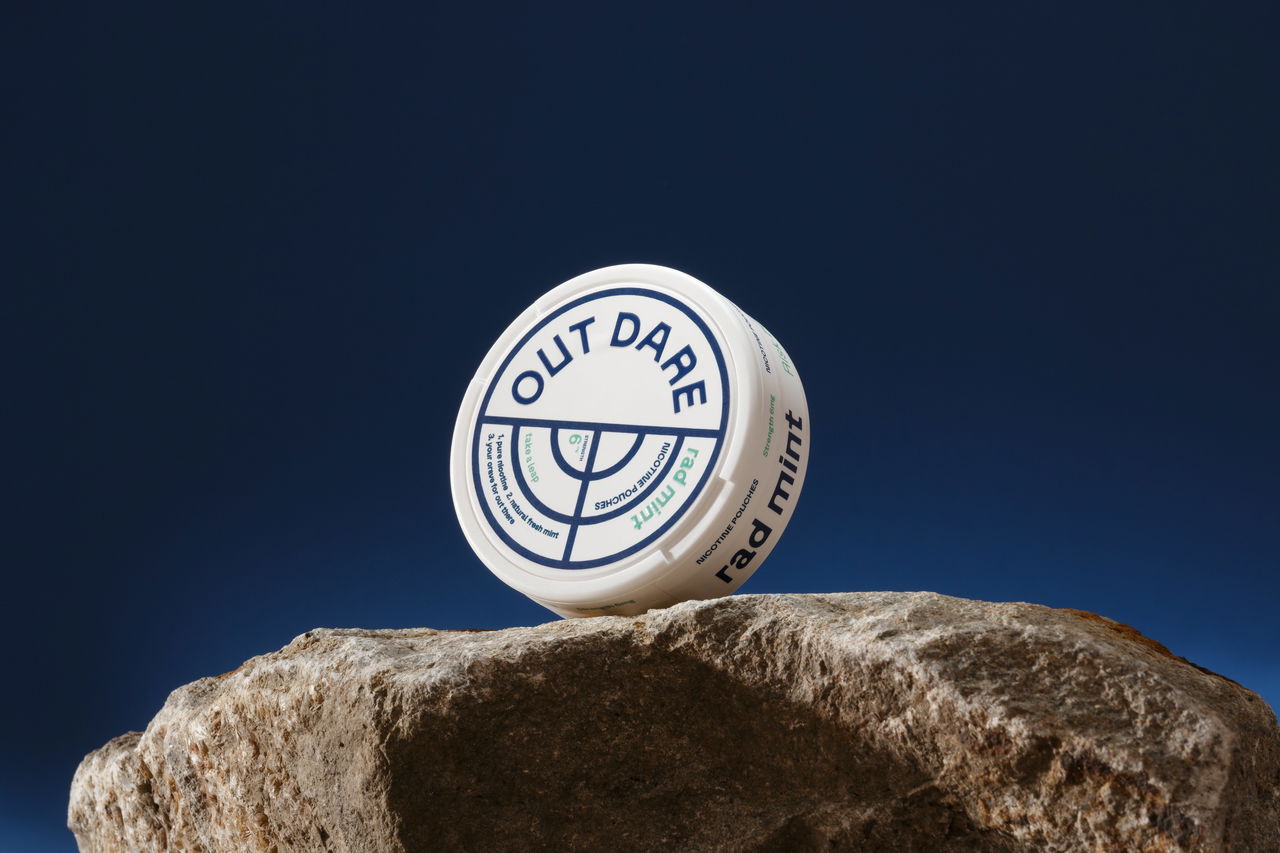
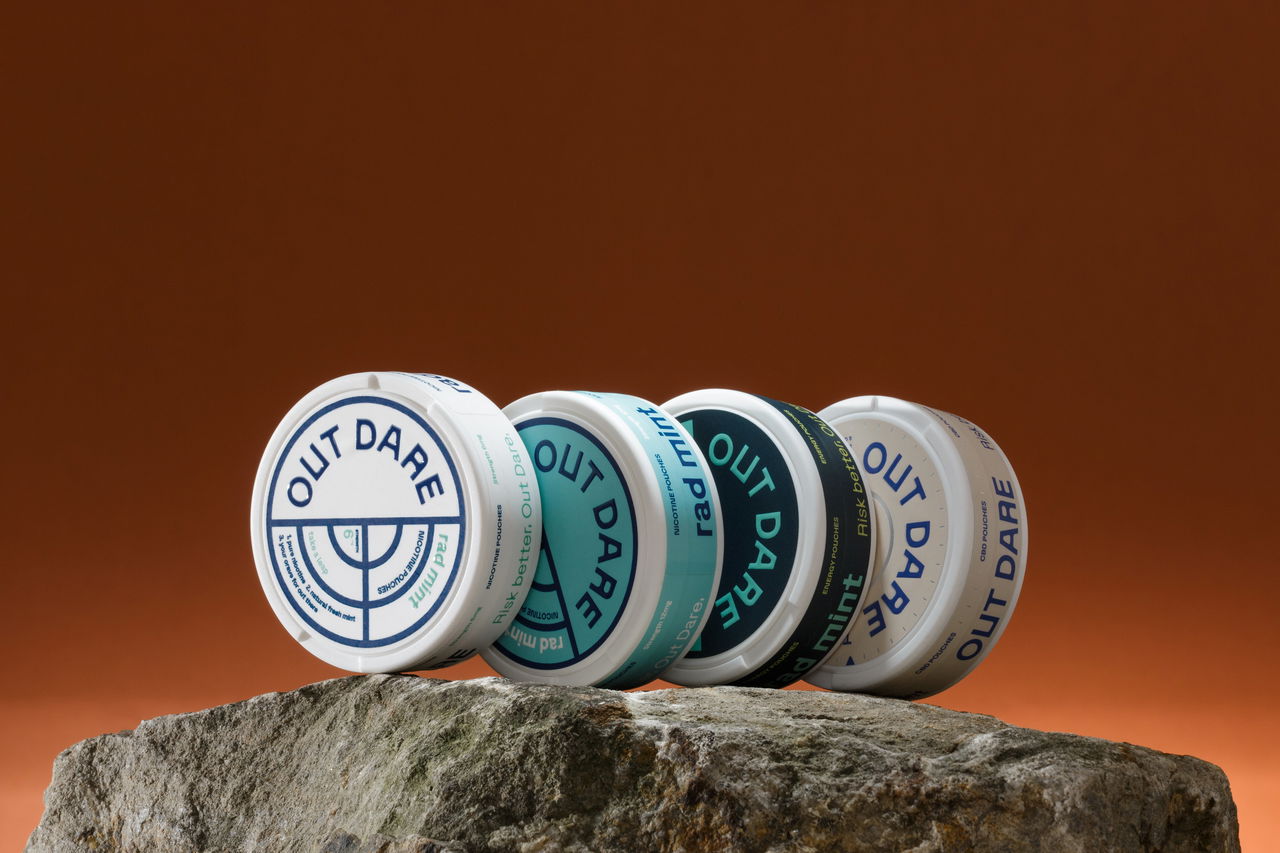
At Outdare LTD, the Energy Pouch was built specifically for this gap: 50mg caffeine plus nootropic compounds, zero nicotine, zero sugar, in the same mint format as our Nicotine and CBD pouches. You keep the ritual. You drop the dependency. And you get real cognitive support that doesn't come with a chemical cost. Risk Better. Out Dare.
Recommended Articles
Explore more from our content library: