





Best Nicotine-Free Snus Alternatives for 2026
| Key Insight | Explanation |
|---|---|
| Nicotine is only 30% of the addiction | According to the 30/30/30 Addiction Rule, the physical habit and sensory burn account for 60% of pouch dependency — meaning nicotine-free alternatives can address the majority of cravings. |
| Multiple zero-nic formats exist in 2026 | Snus alternatives without nicotine now include caffeine-nootropic pouches, CBD pouches, herbal pouches, and plain flavor pouches — each serving a distinct functional need. |
| Sensory parity is the key to success | Alternatives that replicate the same mouthfeel, gum burn, and flavor as nicotine pouches produce dramatically better quit rates than those that feel or taste different. |
| Cold turkey has a high failure rate | Research consistently shows that abrupt cessation without ritual substitution leads to relapse because the oral habit loop remains unsatisfied even when nicotine is removed. |
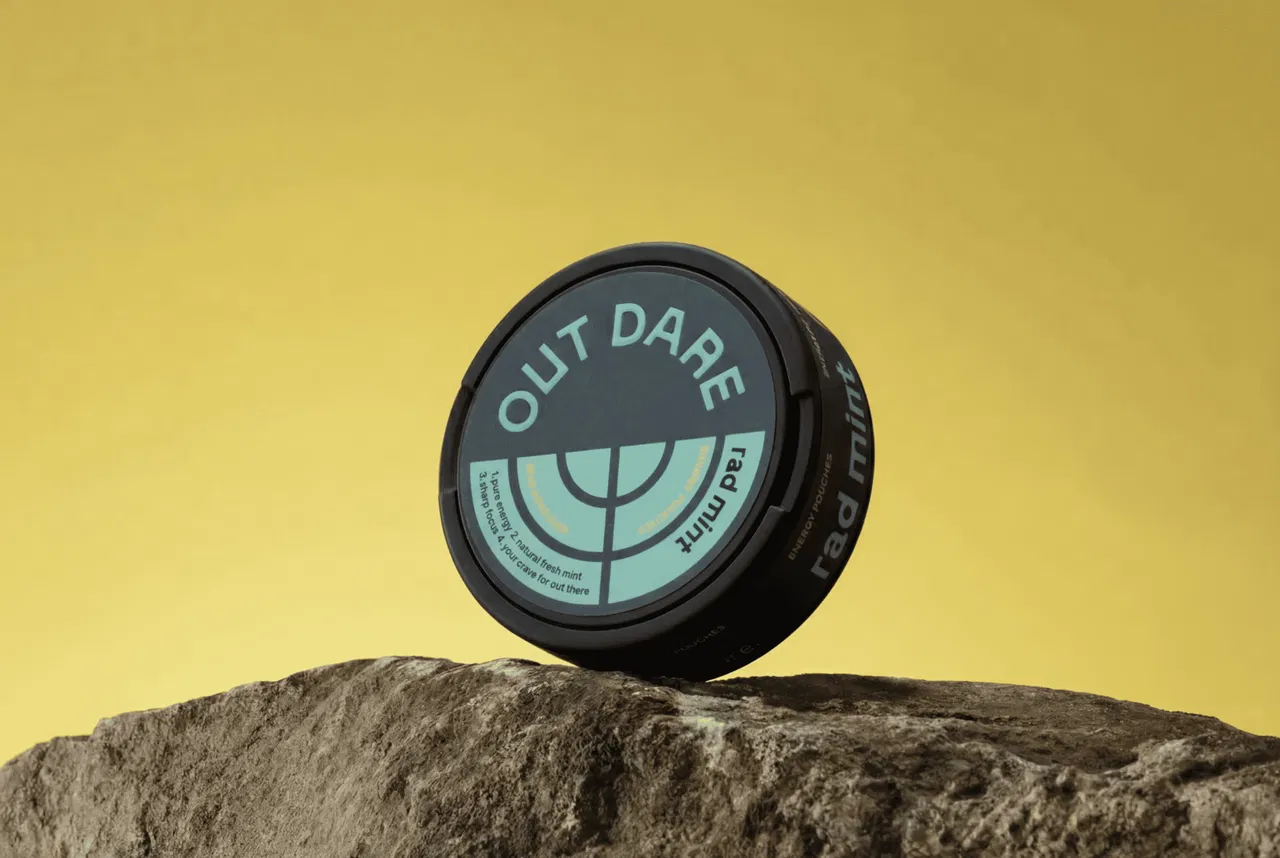
| Energy pouches offer a functional upgrade | Caffeine-plus-nootropic pouches (like Outdare's Energy format) deliver focus and alertness without chemical dependency, making them a practical daily-use alternative. |
| European manufacturing standards matter | Clean-label European pouches using plant-fiber fillers and xylitol-based formulas avoid many of the additive concerns associated with mass-market nicotine pouch brands. |
You already know the ritual. The pinch, the placement, the burn under the lip. The problem isn't the pouch — it's what's inside it. Snus alternatives without nicotine have come a long way since the early days of flavorless herbal fillers, and in 2026 the category has genuinely matured into something worth taking seriously. Whether you're a heavy pouch user dealing with receding gums and afternoon brain fog, a former smoker who switched to pouches and now wants to go further, or simply someone who wants the oral ritual without the chemical dependency, this guide covers every meaningful option available right now. We'll rank them, compare them honestly, and explain exactly how to pick the one that fits your situation.
Why Snus Alternatives Without Nicotine Matter in 2026
Snus alternatives without nicotine matter because the oral pouch habit is far more than a chemical dependency — and most quit strategies miss that entirely. The global nicotine pouch market was valued at approximately USD 2.4 billion in 2023 and is projected to grow at a CAGR of over 35% through 2030 (Grand View Research), which means millions of new users are entering a category that still, as of 2026, offers very few genuine exit ramps.
The Real Cost of Staying on Nicotine Pouches
According to the American Lung Association, nicotine pouches like ZYN are not risk-free despite being tobacco-free [1]. The Truth Initiative notes that oral nicotine pouches are used similarly to snus, with comparable dependency profiles [2]. VCU Health researchers have specifically warned that "tobacco-free does not mean risk-free" — pointing to cardiovascular strain, gum recession, and long-term dependency as documented concerns [3].
In practice, many users we hear from are spending €200–€400 per month on pouches, hiding their usage from partners and colleagues, and cycling through failed quit attempts. The problem isn't willpower. It's that cold turkey removes the nicotine but leaves the ritual completely unsatisfied.
Why the Ritual Is the Real Problem
The 30/30/30 Addiction Rule offers a cleaner mental model here. Roughly 30% of pouch addiction is chemical (nicotine itself), 30% is the physical habit (the pillow sensation under the lip), and 30% is the sensory cue (the burn and flavor). That means 60% of what keeps you reaching for a pouch has nothing to do with nicotine at all.
- Remove nicotine but keep the ritual? You address only one-third of the problem.
- Remove the ritual entirely (cold turkey)? You attack all three simultaneously — which is why it's so hard.
- Replace nicotine pouches with sensorially identical zero-nic alternatives? You satisfy the 60% while gradually managing the 30% chemical piece.
That's the logic behind every effective nicotine-free pouch strategy in 2026, and it's why sensory parity — same burn, same mouthfeel, same flavor — is the single most important factor when evaluating any alternative.
Types of Snus Alternatives Without Nicotine: A 2026 Overview
Not all snus alternatives without nicotine are built the same — they fall into distinct functional categories, each targeting a different reason you reach for a pouch. Understanding the category landscape before picking a product saves a lot of wasted money and failed attempts.
Functional Categories Explained
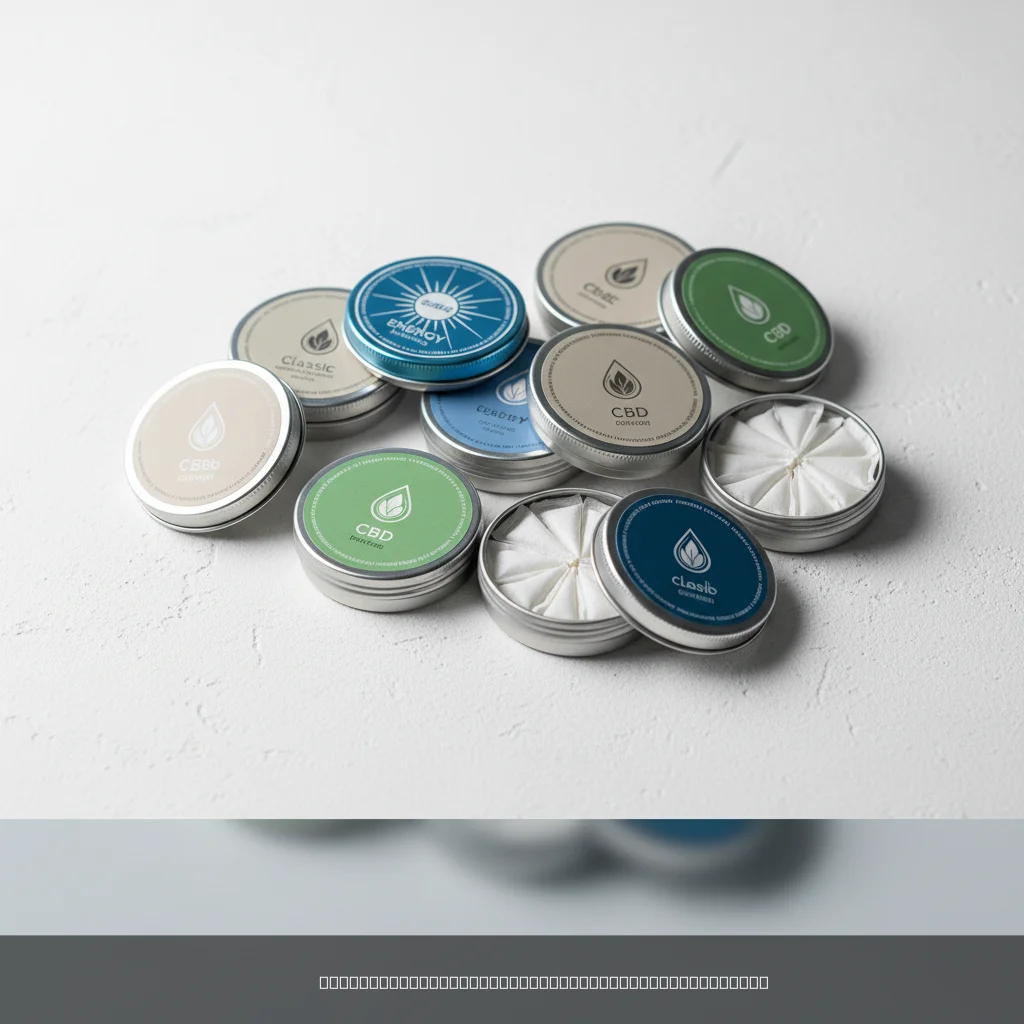
As of 2026, the nicotine-free pouch market has consolidated around four main formats:
- Caffeine + Nootropic Pouches: Deliver 40–75mg of caffeine alongside cognitive enhancers like L-Theanine or Alpha-GPC (a phospholipid that supports acetylcholine production, linked to sharper working memory). These are the closest functional replacement for users who reach for a pouch to get a focus edge.
- CBD Pouches: Contain cannabidiol (CBD), a non-psychoactive cannabis compound, designed for relaxation, stress reduction, and sleep support. Zero nicotine, zero stimulants. Best suited for evening use or high-anxiety moments.
- Plain Herbal / Flavor Pouches: Contain no active compounds — just plant-fiber filler, xylitol, and flavor. These satisfy the physical habit loop only. Useful as a final-step tool once dependency is very low.
- Mushroom / Adaptogen Pouches: An emerging niche using functional mushrooms (Lion's Mane, Cordyceps) or adaptogens for focus and stress modulation. Still early-stage in terms of product quality and bioavailability evidence.
| Category | Active Ingredient | Best Use Case | Nicotine? | Dependency Risk |
|---|---|---|---|---|
| Caffeine + Nootropic | Caffeine, L-Theanine, Alpha-GPC | Focus, deep work, daytime use | No | Low (mild caffeine) |
| CBD | Cannabidiol | Relaxation, anxiety, sleep | No | None |
| Plain Herbal / Flavor | None (flavor only) | Final step-down, habit only | No | None |
| Adaptogen / Mushroom | Lion's Mane, Cordyceps | Cognitive support, stress | No | None |
What the Reddit Community Says
A widely cited thread on r/QuittingZyn from 2026 found that users who tried multiple non-nicotine pouch alternatives reported that sensory match — specifically the gum burn and pillow feel — was the deciding factor in whether they stuck with a product [4]. Flavor variety mattered less than most brands assume. The burn is non-negotiable for heavy users.
Top 9 Snus Alternatives Without Nicotine, Ranked
These are the most credible snus alternatives without nicotine available to European consumers in 2026, ranked by sensory parity, ingredient quality, and real-world usability for people transitioning off nicotine pouches.
1. System-Based Energy + CBD Pouches (e.g., Outdare)
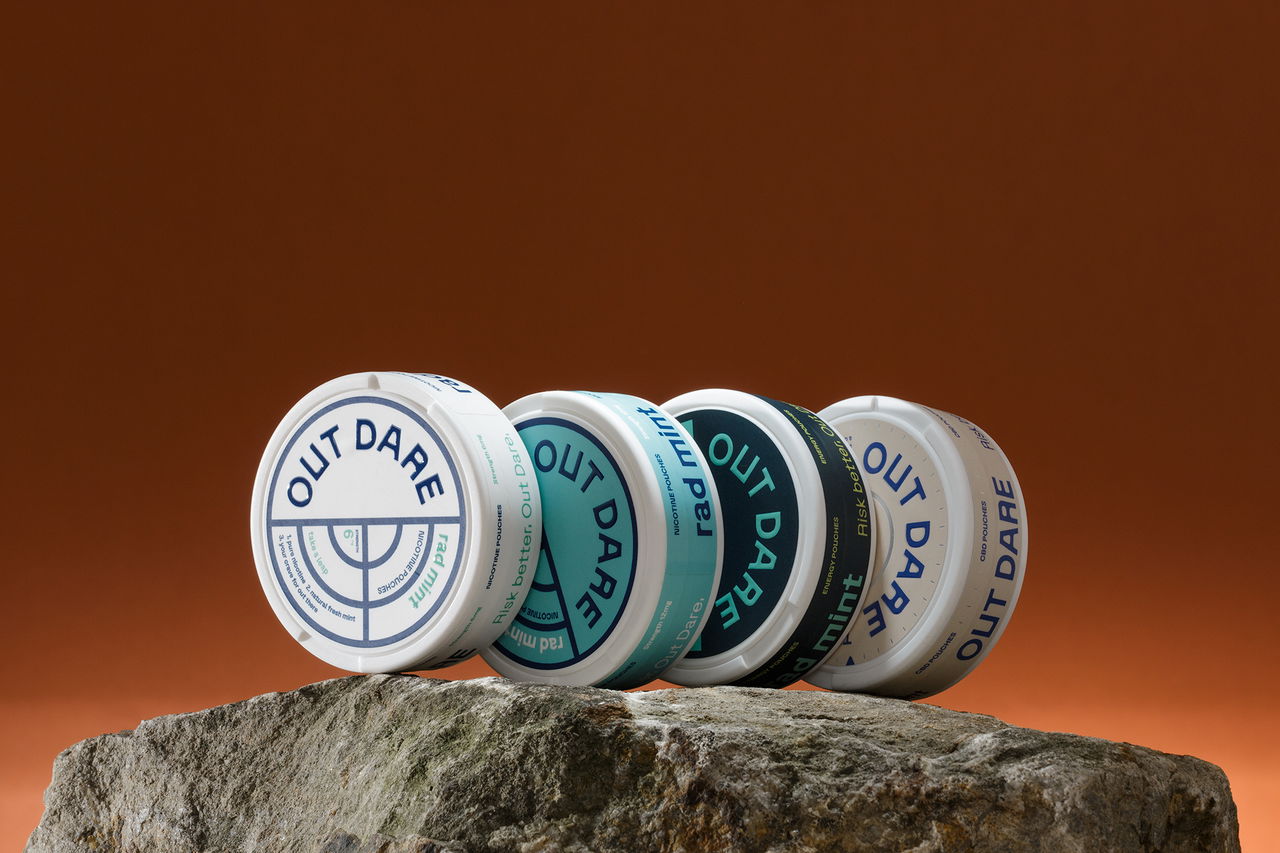
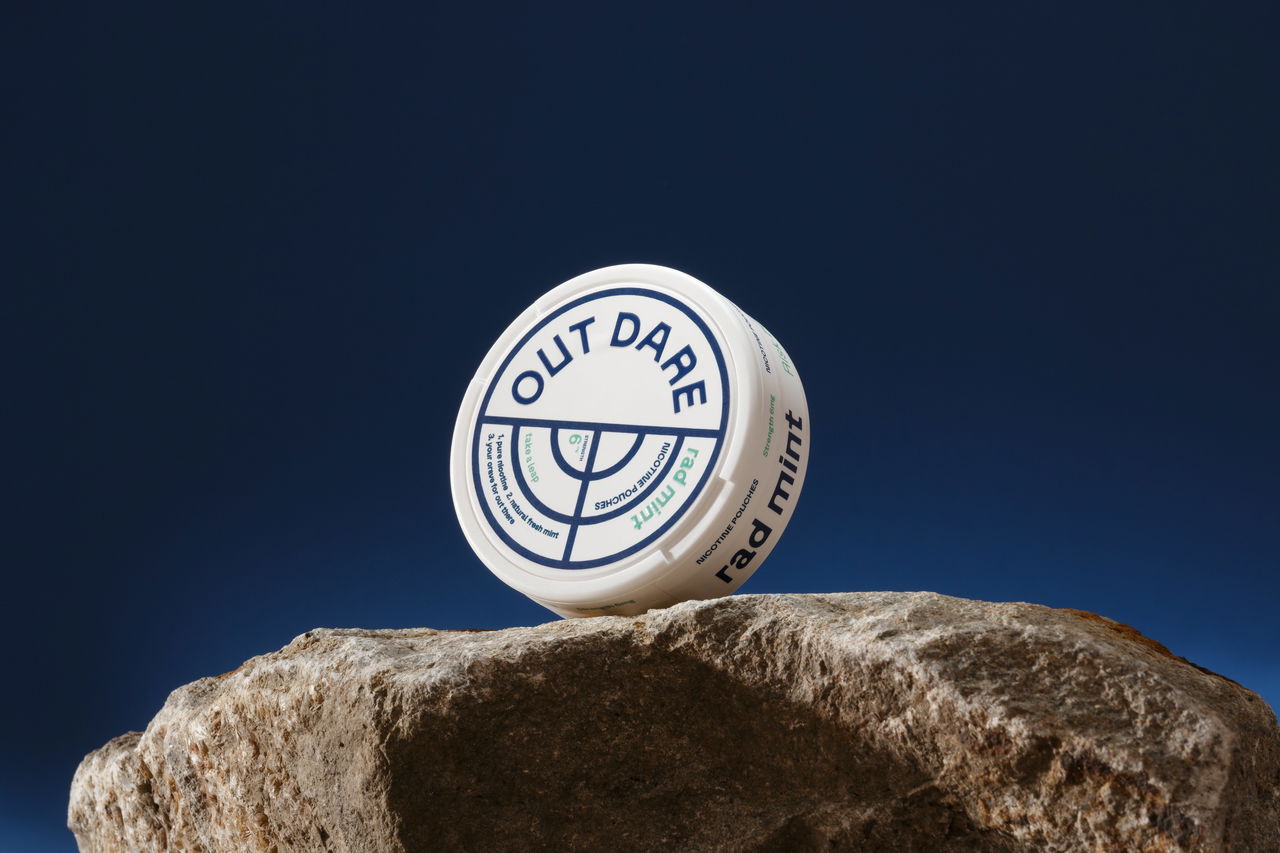
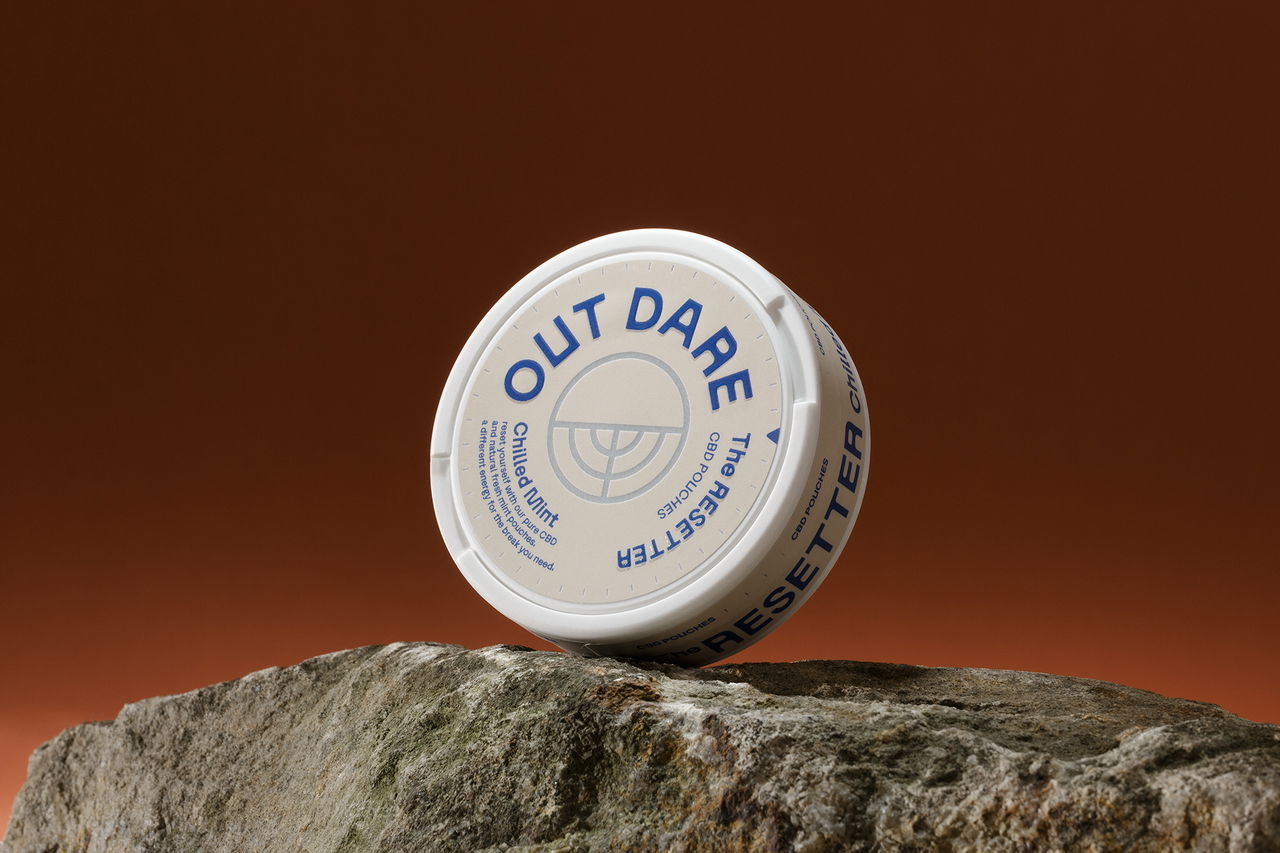
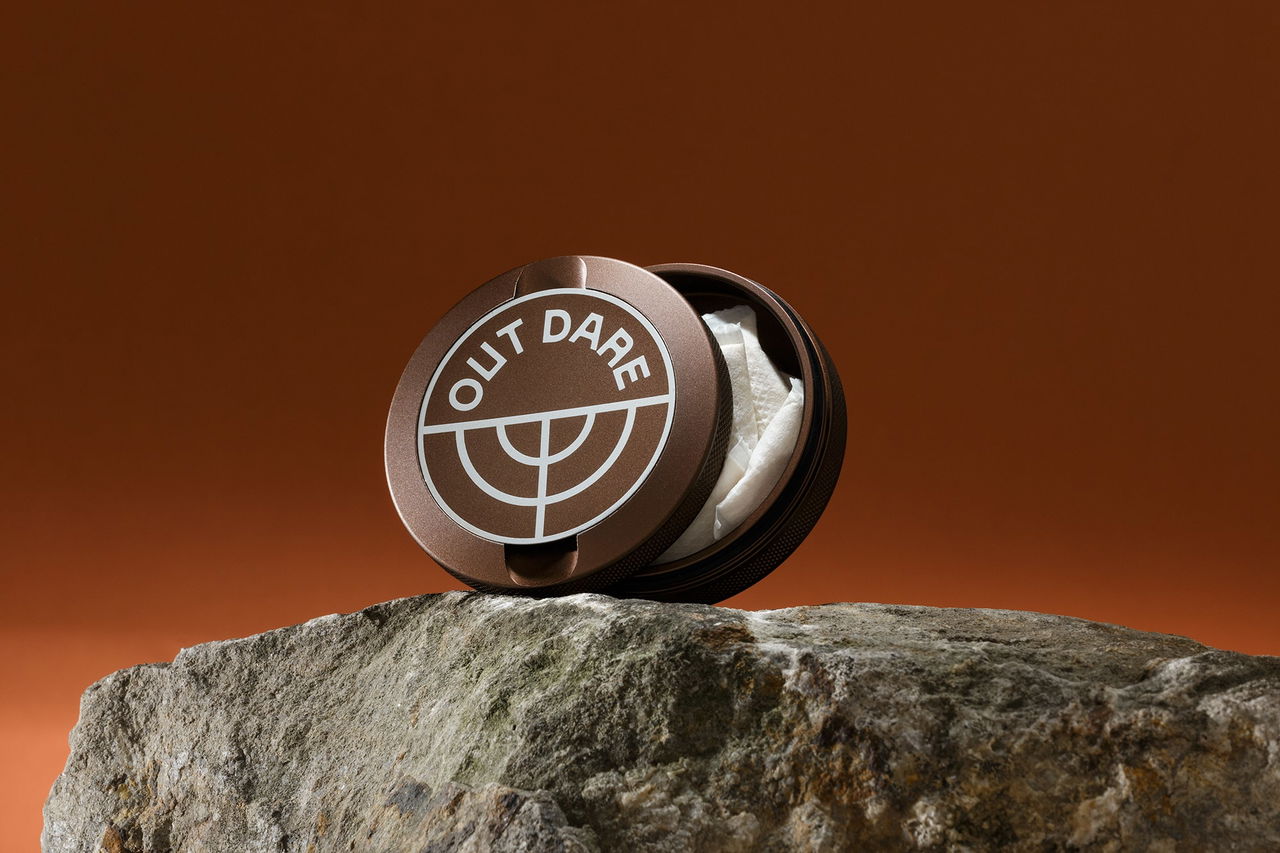
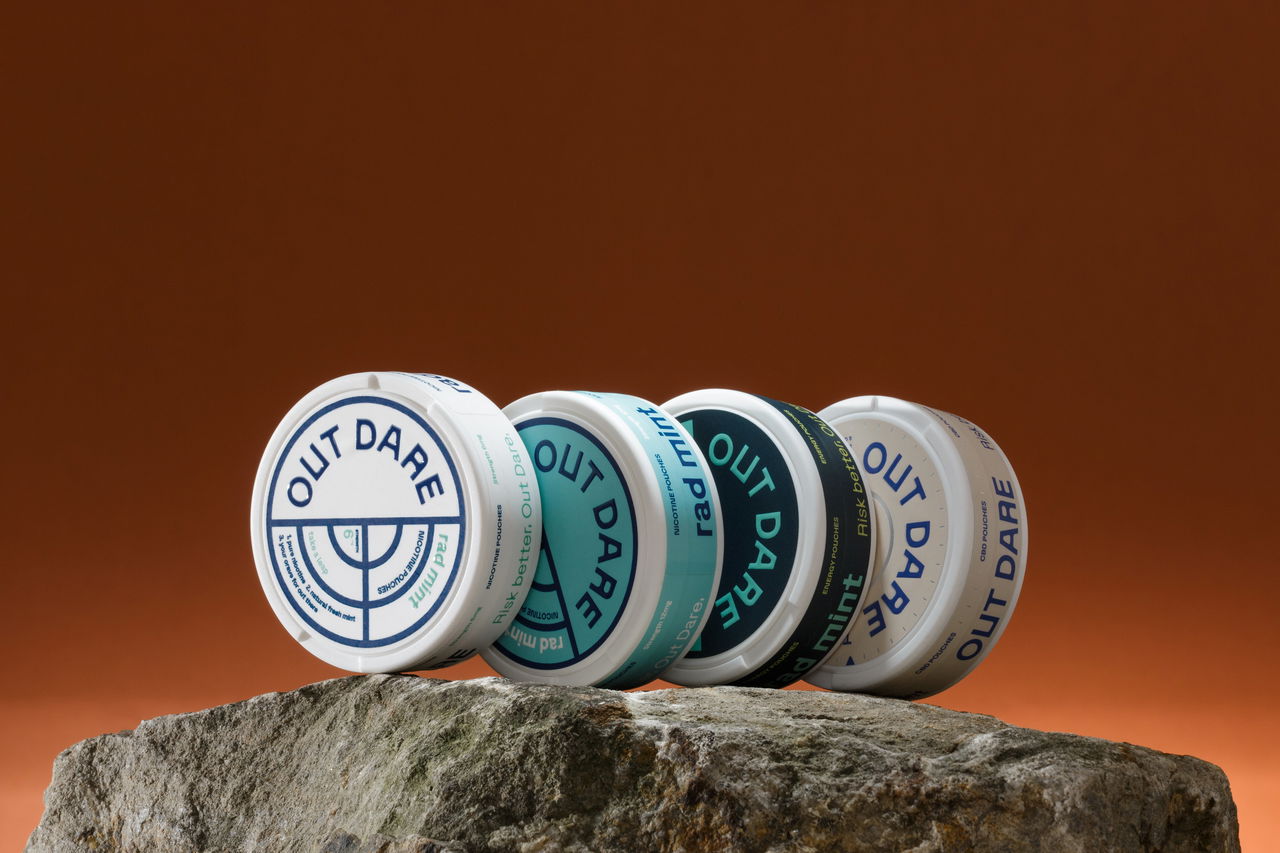
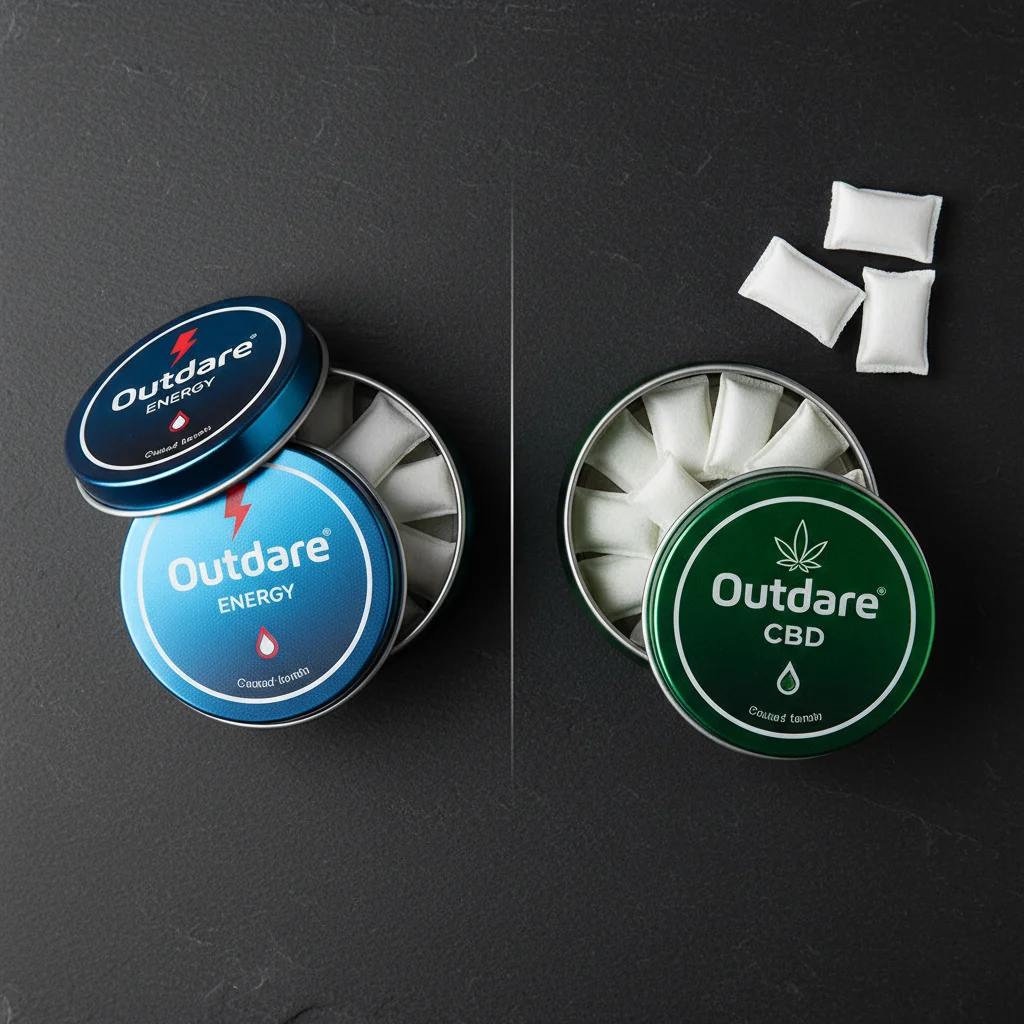
The strongest argument for this category is the system logic. Outdare's three-pouch approach — Clean Nicotine, Energy (50mg caffeine plus nootropics), and CBD (zero nicotine) — is built around sensory parity. All three variants share the same natural mint flavor, the same plant-fiber mouthfeel, and the same gum burn, developed by a former mixologist. Your brain genuinely cannot distinguish between them during the ritual.
- Best for: Heavy nicotine pouch users (1+ can per day) who want a structured reduction method, not just a flavor swap
- Pros: Identical sensory profile across nicotine and non-nicotine variants; structured 4-week method; clean European manufacturing; xylitol-based formula; plant-fiber fillers; no tobacco
- Cons: Requires commitment to the system (not a casual single-purchase fix); currently DTC-only across select European markets
- Key stat: Most users following the Outdare 4-Week Method reduce nicotine intake by 60–90% within the first month
Pro Tip: If you're using 12mg or 15mg nicotine pouches, start the Outdare system by swapping every third pouch with an Energy variant for the first week. Your brain won't notice the difference — but your body will start recalibrating without the withdrawal shock.
2. Standalone Caffeine Pouches
Caffeine pouches without nicotine have become the fastest-growing subcategory of snus alternatives without nicotine as of 2026 [5]. Products in this space typically deliver 40–75mg of caffeine per pouch, often paired with L-Theanine (an amino acid that smooths caffeine's stimulant curve, reducing jitteriness) for a cleaner focus effect.
- Best for: Productivity-focused users who used nicotine primarily for cognitive edge, not relaxation
- Pros: Real functional benefit; no nicotine dependency; discreet and portable; no sugar crash vs. energy drinks
- Cons: Sensory profile varies significantly by brand; some feel thinner or less satisfying than nicotine pouches; mild caffeine dependency possible with heavy use
3. CBD Pouches
CBD pouches occupy a distinct niche among snus alternatives without nicotine — they're not trying to replicate the stimulant effect of nicotine. They're targeting the other side of the pouch ritual: the moments when you reach for a pouch because you're stressed, overstimulated, or can't switch off.
- Best for: Evening use; anxiety management; users who smoke or vape to "come down" rather than to focus
- Pros: Zero dependency risk; supports sleep quality; addresses stress-driven cravings specifically
- Cons: No stimulant effect (not a daytime focus tool); regulatory status varies across EU markets; quality and CBD concentration differ widely between brands
4. Plain Herbal Zero Pouches
Plain herbal pouches — sometimes marketed as "zero snus" — contain no nicotine, no caffeine, and no active compounds. Brands like Qvitt and Onico have built a following among users in the final stages of nicotine reduction [6]. The value is purely ritual: the physical sensation of having something under the lip.
- Best for: Users who are already at low nicotine doses (2–4mg) and need a final bridge to zero
- Pros: Completely dependency-free; available widely; inexpensive
- Cons: No functional benefit; most lack the burn intensity that heavy users require to feel satisfied
5. Herbal Tobacco-Free Long Cut / Pouches
Products like those from Smokey Mountain offer a tobacco-free, nicotine-free chewing experience that mimics traditional dip and snus formats [7]. These are more relevant for North American dip users but have a growing European following.
- Best for: Former dip/chew users transitioning away from tobacco
- Pros: Strong sensory match for traditional tobacco users; widely available
- Cons: Less suited to modern slim-pouch format users; flavor profiles skew traditional (wintergreen, straight) rather than modern mint
6. Mushroom and Adaptogen Pouches
An emerging category in 2026, mushroom pouches use functional fungi — primarily Lion's Mane (associated with nerve growth factor support) and Cordyceps (linked to endurance and oxygen utilization) — as active ingredients. Community feedback on r/QuittingZyn suggests these work best as a supplementary tool rather than a primary nicotine replacement [4].
- Best for: Biohackers and nootropic enthusiasts who want cognitive support without caffeine
- Pros: No stimulant dependency; novel functional benefits; growing evidence base
- Cons: Bioavailability through oral mucosa is still under-researched; expensive; limited flavor range
7. Nicotine-Free Extensions from Established Pouch Brands
Several major nicotine pouch brands have released zero-nicotine variants of their existing product lines. These are formulated to match the mouthfeel of their nicotine counterparts and are widely available through EU marketplaces [8].
- Best for: Users already loyal to a specific brand's flavor and format who want a zero-nic version
- Pros: Familiar format; easy to find; often price-competitive
- Cons: No functional benefit beyond ritual; no structured reduction system; designed as a product extension, not a cessation tool
8. Tobacco-Free Zero Nicotine Pouches (e.g., Black Buffalo ZERO)
Black Buffalo ZERO pouches are tobacco-free, nicotine-free products that replicate the look, feel, and flavor of traditional tobacco pouches and long cut formats [9]. They're positioned as a direct sensory substitute for dip and snus users who want zero chemicals but maximum ritual fidelity.
- Best for: North American-style dip users in Europe; users who want maximum ritual fidelity without any active compounds
- Pros: Strong sensory match for traditional tobacco users; zero nicotine and zero tobacco
- Cons: Less relevant for slim modern pouch format users; primarily US-market focused
9. Multi-Ingredient Functional Pouches (Caffeine + Vitamins)
Some brands combine caffeine with B vitamins, taurine, or other energy-drink staples in pouch format. These are positioned as a direct replacement for energy drinks — portable, sugar-free, and discreet [5].
- Best for: Users who want an energy drink alternative in pouch form, particularly pre-workout or pre-meeting
- Pros: Functional energy benefit; no sugar; portable; no liquid
- Cons: Ingredient stacking can feel gimmicky; quality varies; gum burn is often lower than nicotine pouch users expect
Pro Tip: When testing any new snus alternative without nicotine, give it at least 5–7 consecutive uses before judging. The first 1–2 pouches always feel "off" compared to what your brain expects — that's the habit loop recalibrating, not the product failing.
How to Choose the Right Nicotine-Free Pouch for You
Choosing the right snus alternative without nicotine depends on three factors: why you reach for a pouch, how heavily dependent you currently are, and what sensory experience you're unwilling to compromise on.
The Decision Framework
Use this sequence to narrow your choice:
- Identify your primary trigger. Do you reach for a pouch to focus, to calm down, or out of pure habit? Focus triggers point toward caffeine-nootropic pouches. Stress or anxiety triggers point toward CBD. Pure habit triggers point toward plain herbal or zero-nic brand extensions.
- Assess your current dependency level. If you're on 12mg–15mg pouches and using 10+ per day, you need a system approach (like the Outdare 4-Week Method) rather than a straight swap. If you're already at 3–6mg, a direct switch to a functional zero-nic pouch is realistic.
- Prioritize sensory parity. The burn and mouthfeel matter more than flavor variety. Before committing to a brand, check whether their zero-nic product was developed alongside the nicotine version (sensory parity) or as an afterthought.
- Check manufacturing standards. European-manufactured pouches with plant-fiber fillers and xylitol-based formulas are cleaner than many mass-market alternatives. Look for transparent ingredient lists.
- Start with a discovery or sample pack. Most reputable brands offer mix-and-match bundles. Don't commit to a full supply of a single format before you've confirmed the sensory match works for you.
Common Mistakes to Avoid
A common mistake is choosing a zero-nic pouch based on flavor alone. Flavor is secondary. If the burn isn't there, your brain will reject the substitute within days and the craving for nicotine will spike harder than before.
Another pitfall is treating a nicotine-free pouch as a permanent fix without addressing the habit loop. One limitation of plain herbal pouches is that they satisfy the ritual but provide no functional replacement for the focus or relaxation benefit that nicotine was delivering. For heavy users, this creates a satisfaction gap that eventually drives relapse.
The 30/30/30 Method: A Smarter Way to Quit in 2026
The 30/30/30 Addiction Rule is a structured framework for understanding and dismantling nicotine pouch dependency — and it's the most evidence-aligned approach to using snus alternatives without nicotine effectively.
How the Method Works
The framework breaks pouch addiction into three equal components:
- 30% Chemical: Nicotine itself — the pharmacological dependency that causes withdrawal symptoms
- 30% Physical Habit: The oral fixation — the act of placing something under the lip, the pillow sensation, the tactile ritual
- 30% Sensory Cue: The burn, the mint flavor, the tingle — the sensory signals your brain associates with the "reward" of a pouch
Most quit strategies attack only the chemical component. They remove nicotine but leave the habit and sensory loops completely unsatisfied, which is why the Campaign for Tobacco-Free Kids notes that oral nicotine products carry significant behavioral dependency beyond the chemical component [10].
The 4-Week Protocol
At Outdare LTD, we've found that a gradual substitution protocol produces far better outcomes than abrupt cessation. The 4-Week Method works as follows:
- Week 1: Replace 1 in 3 nicotine pouches with an Energy or CBD pouch. Keep your normal schedule otherwise.
- Week 2: Replace 1 in 2 nicotine pouches with a non-nicotine variant. Begin tracking which situations trigger nicotine specifically (stress vs. focus vs. habit).
- Week 3: Reduce to 2–3 nicotine pouches per day, using Energy pouches for focus moments and CBD pouches for stress moments.
- Week 4: Target 1 nicotine pouch per day or zero, depending on comfort level. The ritual remains fully intact — only the chemical component has been systematically reduced.
Research on nicotine replacement therapy broadly supports graduated reduction approaches. According to PubMed research on tobacco-free nicotine pouches, the behavioral and sensory components of oral pouch use are significant drivers of continued use beyond chemical dependency [11].
Pro Tip: Use the CBD pouch specifically for the moments you'd normally reach for nicotine due to stress or anxiety — not as a random swap. Matching the functional trigger to the functional replacement is what makes the method work faster.
Industry analysts suggest that structured substitution systems addressing all three addiction components produce significantly higher sustained abstinence rates than single-component NRT (nicotine replacement therapy) approaches. Results may vary depending on individual dependency levels, usage history, and consistency of application — but the directional evidence is clear.
Sources & References
- American Lung Association, "ZYN 101: What to Know About Big Tobacco's Latest Addiction"
- Truth Initiative, "What is Zyn and what are oral nicotine pouches?", 2024
- VCU Health, "How safe are nicotine pouches? Tobacco-free does not mean risk-free"
- Reddit r/QuittingZyn, "Tried several non-nicotine pouch alternatives and ended up caring...", 2026
- MyNicco, "Nicotine Free Pouches – A Full Guide"
- SnusDirect, "Tobacco & Nicotine Free Snus"
- Smokey Mountain, "Caffeinated Pouches & Herbal Long Cut"
- SnusDaddy, "Nicotine Free Pouches – 100% Tobacco Free Options"
- Black Buffalo, "Buy Nicotine Free ZERO – Pouches & Long Cut"
- Campaign for Tobacco-Free Kids, "Nicotine Pouches"
- PubMed Central, "Tobacco-Free Nicotine Pouches and Their Potential Contribution to...", 2024
Frequently Asked Questions
1. Are there snus without nicotine?
Yes — and in 2026 the category is genuinely diverse. Snus alternatives without nicotine include plain herbal pouches (flavor and ritual only), caffeine-plus-nootropic pouches (for focus), CBD pouches (for relaxation), and adaptogen-based formats. The best options go beyond just replicating the appearance of traditional snus — they match the gum burn, mouthfeel, and sensory cue that heavy users actually depend on, which is what makes them effective as substitutes rather than mere placebos.
2. Is it safe to vape 0% nicotine?
Nicotine-free vaping is not automatically safe. Research indicates that the aerosol from zero-nicotine vapes still contains propylene glycol, vegetable glycerin, and flavoring compounds that can trigger inflammatory responses in lung and throat tissue — independent of nicotine content. For users trying to reduce their nicotine intake, oral pouches (zero-nic energy or CBD formats) are a significantly cleaner alternative because they involve no inhalation, no combustion, and no aerosol exposure whatsoever.
3. What is the best snus alternative without nicotine for quitting?
The most effective approach combines sensory parity with functional replacement. A system that offers sensorially identical nicotine and non-nicotine pouches — same burn, same mouthfeel, same flavor — allows you to gradually reduce the chemical component while keeping the ritual fully intact. Standalone herbal pouches work as a final-step tool but typically lack the burn intensity needed to satisfy heavy users in the early stages of reduction.
4. Can energy pouches replace nicotine pouches for focus?
Yes, for most users. Nicotine's perceived "focus boost" is largely the reversal of withdrawal symptoms — your brain feels sharper after a pouch because it was in mild withdrawal before it. Caffeine-plus-nootropic pouches (delivering 40–75mg caffeine alongside L-Theanine or Alpha-GPC) provide a genuine, dependency-free cognitive lift. Users who switch for focus-related reasons typically report comparable alertness within 1–2 weeks of consistent use, once withdrawal subsides.
5. How long does it take to switch from nicotine pouches to zero-nic alternatives?
Most users following a structured gradual substitution method — replacing one in three pouches with a non-nicotine variant and progressively increasing the ratio over four weeks — reduce their nicotine intake by 60–90% within the first month. Results vary depending on starting dependency level (6mg vs. 15mg), usage frequency, and consistency of the substitution protocol. Cold turkey attempts, by contrast, have a significantly higher relapse rate because they remove the ritual entirely rather than managing the chemical component separately.
6. Are nicotine-free pouches available in Europe?
Yes. As of 2026, nicotine-free pouches are widely available across European markets including France, Denmark, Finland, Ireland, the Netherlands, and Slovenia — both through DTC e-commerce brands and multi-brand marketplaces. European-manufactured options using plant-fiber fillers and xylitol-based formulas are available for consumers who prioritize clean-label, tobacco-free products without the additive concerns associated with mass-market formats.
Conclusion
The market for snus alternatives without nicotine has matured significantly in 2026 — and the best options are no longer just "nicotine pouches but empty." They're functional tools that address the real reason you keep reaching for a pouch: the ritual, the burn, and the focus or calm you're actually after. Plain herbal pouches work as a final bridge. Caffeine-nootropic pouches replace the focus edge without the dependency. CBD pouches address the stress-driven craving loop that nicotine was masking.
The most important thing to understand is that the ritual itself isn't the enemy. It's the chemical. Keep the ritual, manage the chemical — and you've got a realistic path to 60–90% nicotine reduction in a single month rather than another failed cold-turkey attempt.
Outdare LTD was built specifically to solve this problem. Three pouches. Same taste, same burn, same mouthfeel. You control what's inside. That's what snus alternatives without nicotine should have been from the start — and as of 2026, it's finally a reality worth acting on.
Recommended Articles
Explore more from our content library: