





Clean Energy Pouches: What They Are and How They Work
| Key Insight | Explanation |
|---|---|
| What they are | Clean energy pouches are tobacco-free, nicotine-free oral pouches delivering caffeine and nootropics for focus without chemical dependency. |
| Key active ingredients | Most quality formulas combine 40–56mg caffeine with L-Theanine, Alpha-GPC, and L-Tyrosine to produce smooth, crash-free focus. |
| The 30/30/30 Rule | Nicotine is only 30% of pouch addiction. Habit and sensory burn account for 60% — the part energy pouches address directly. |
| Nicotine reduction outcomes | Most Outdare users reduce nicotine intake by 60–90% within the first month using the structured 4-Week Method. |
| Who benefits most | Heavy pouch users, ex-smokers, productivity-focused professionals, and athletes seeking discreet, clean stimulation without jitters or sugar. |
| Safety considerations | Reputable brands use plant-fiber fillers, xylitol bases, and natural flavors. Third-party testing and transparent labeling are non-negotiable quality markers. |
You reach for a pouch. Again. Not because you chose to — because you have to. The ritual is locked in, the burn is expected, and the only thing inside every single one of those cans is nicotine. Clean energy pouches change that equation entirely. These are tobacco-free, nicotine-free oral pouches that deliver caffeine, nootropics (cognitive-enhancing compounds like L-Theanine and Alpha-GPC), and in some cases CBD — giving you the same physical ritual without feeding a chemical dependency. In this article, you'll learn exactly what they are, how the active ingredients work, who they're best suited for, and how a structured system like Outdare's 4-Week Method uses them to help heavy pouch users cut nicotine intake by up to 90% in a single month.

What Are Clean Energy Pouches?
Clean energy pouches are small, tobacco-free oral pouches placed under the lip that deliver stimulants — primarily caffeine and nootropics — without nicotine, tobacco, or sugar. They replicate the physical ritual of a nicotine pouch while substituting the addictive chemical with functional, non-dependency-forming ingredients.
Definition and Category Context
The term "clean" in this context refers to formula integrity: no tobacco, no synthetic nicotine, no artificial sweeteners linked to gut disruption, and no proprietary blends that hide dosing. As of 2026, the category sits at the intersection of harm reduction, functional wellness, and performance optimization [1].
According to the Banned Substances Control Group (BSCG), energy pouches are "small, pillow-shaped packets placed between the lip and gum containing caffeine or other active ingredients like nootropics" [1]. What distinguishes the cleaner end of the market is transparent ingredient labeling and third-party compliance testing — something the BSCG explicitly flags as a differentiator in a crowded and inconsistently regulated category.
How the Category Has Evolved
Nicotine pouches dominated the oral pouch market from 2019 onward. The global nicotine pouch market was valued at approximately USD 2.4 billion in 2023 and is projected to grow at a CAGR of over 35% through 2030 (Grand View Research). Energy pouches — the nicotine-free functional variant — represent the category's next evolution, driven by three converging forces:
- Tightening EU regulations on vaping and flavored nicotine products since 2024
- Rising consumer demand for discreet, portable stimulants without chemical dependency
- Growing awareness of nootropics (cognitive enhancers) among productivity-focused adults aged 20–38
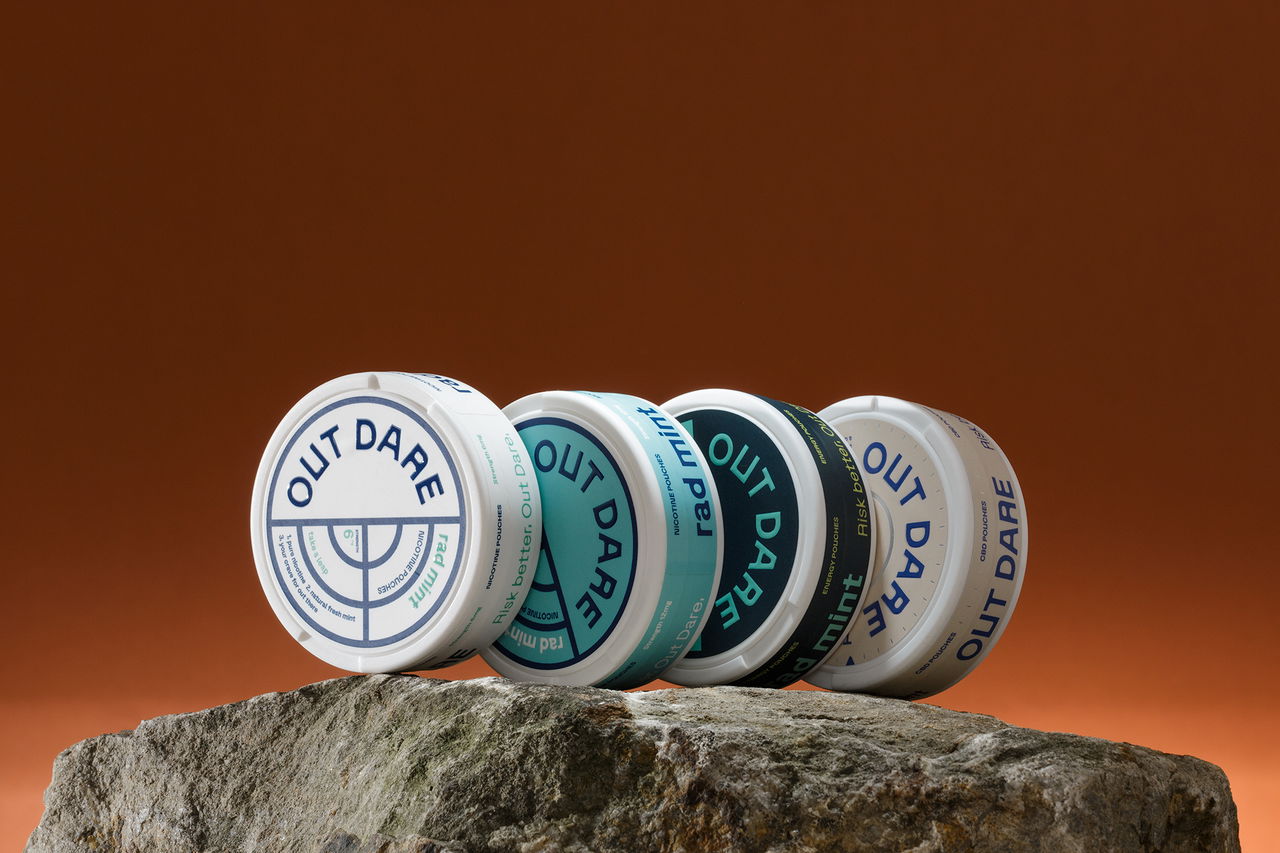
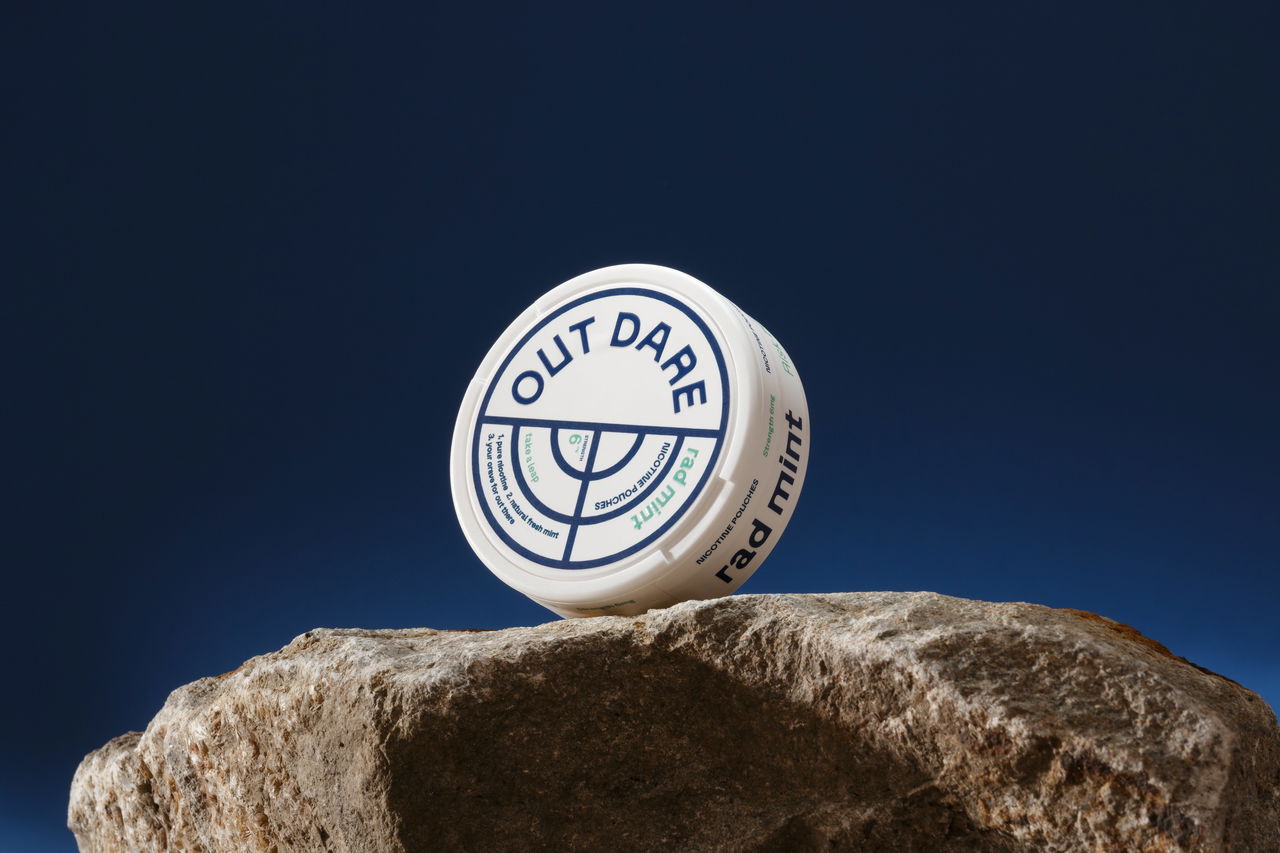
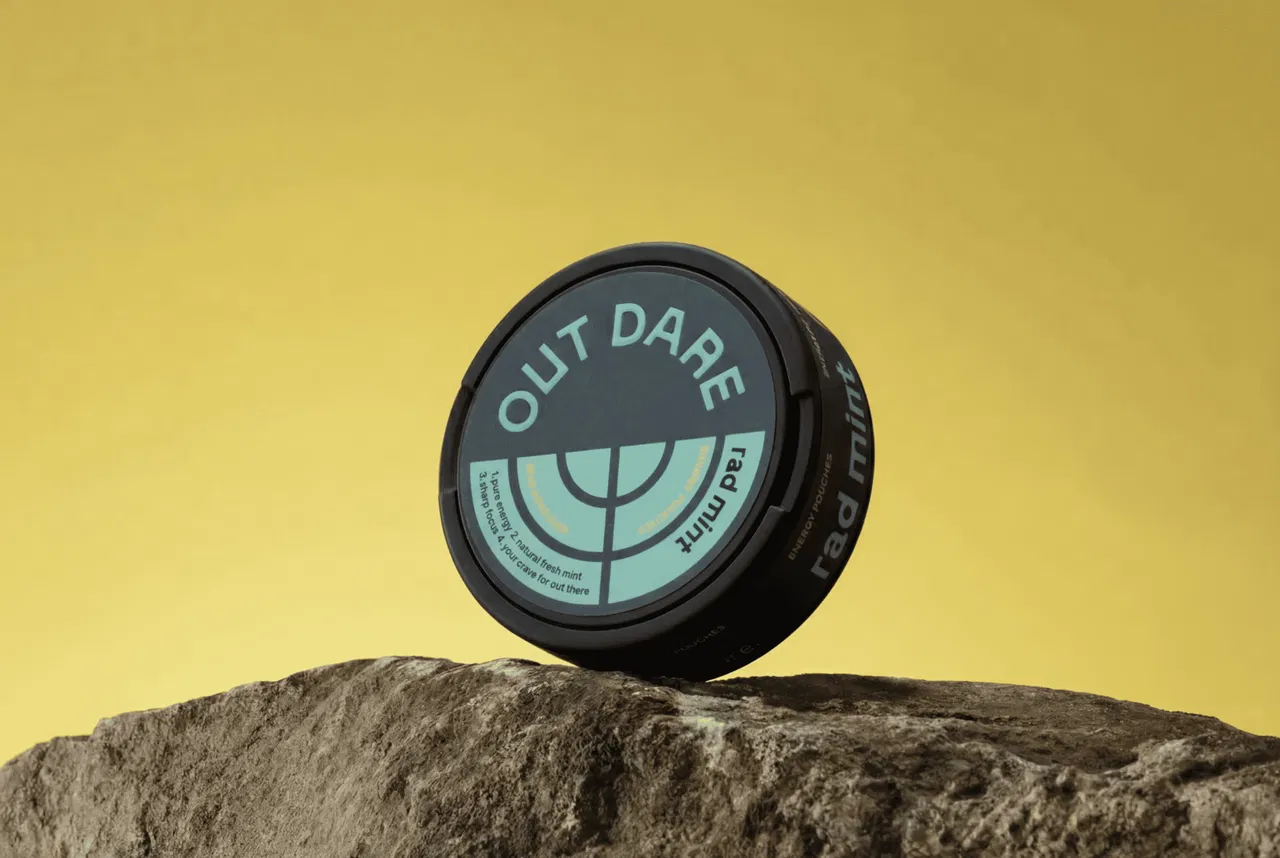
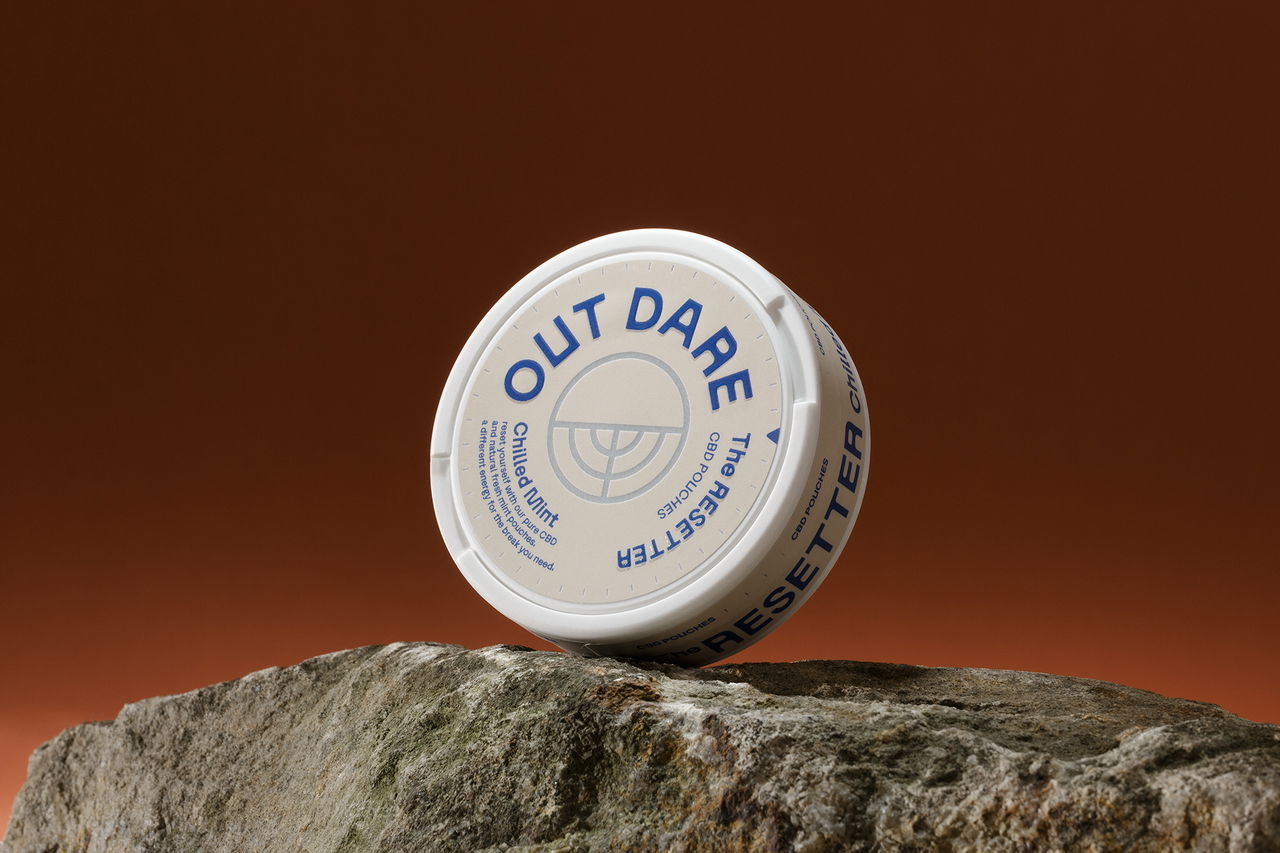
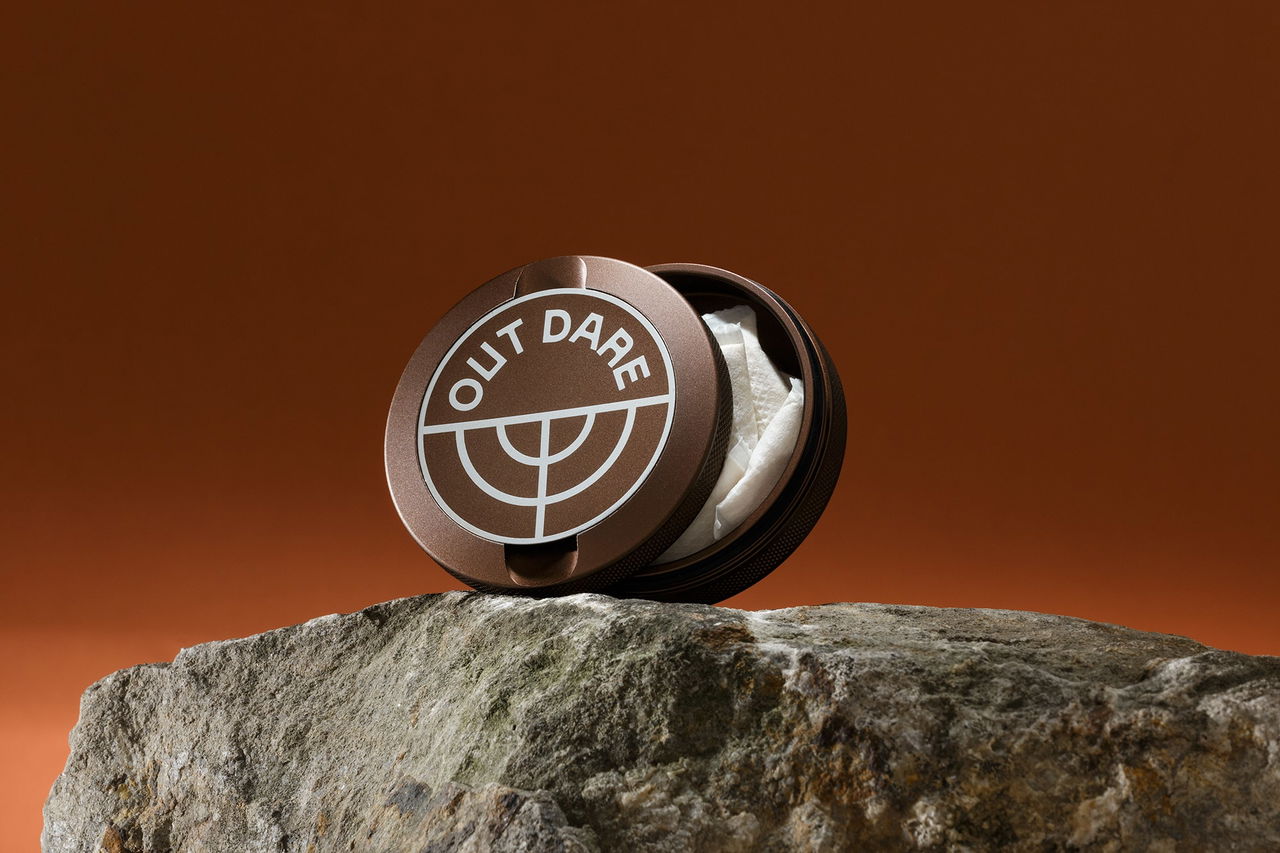
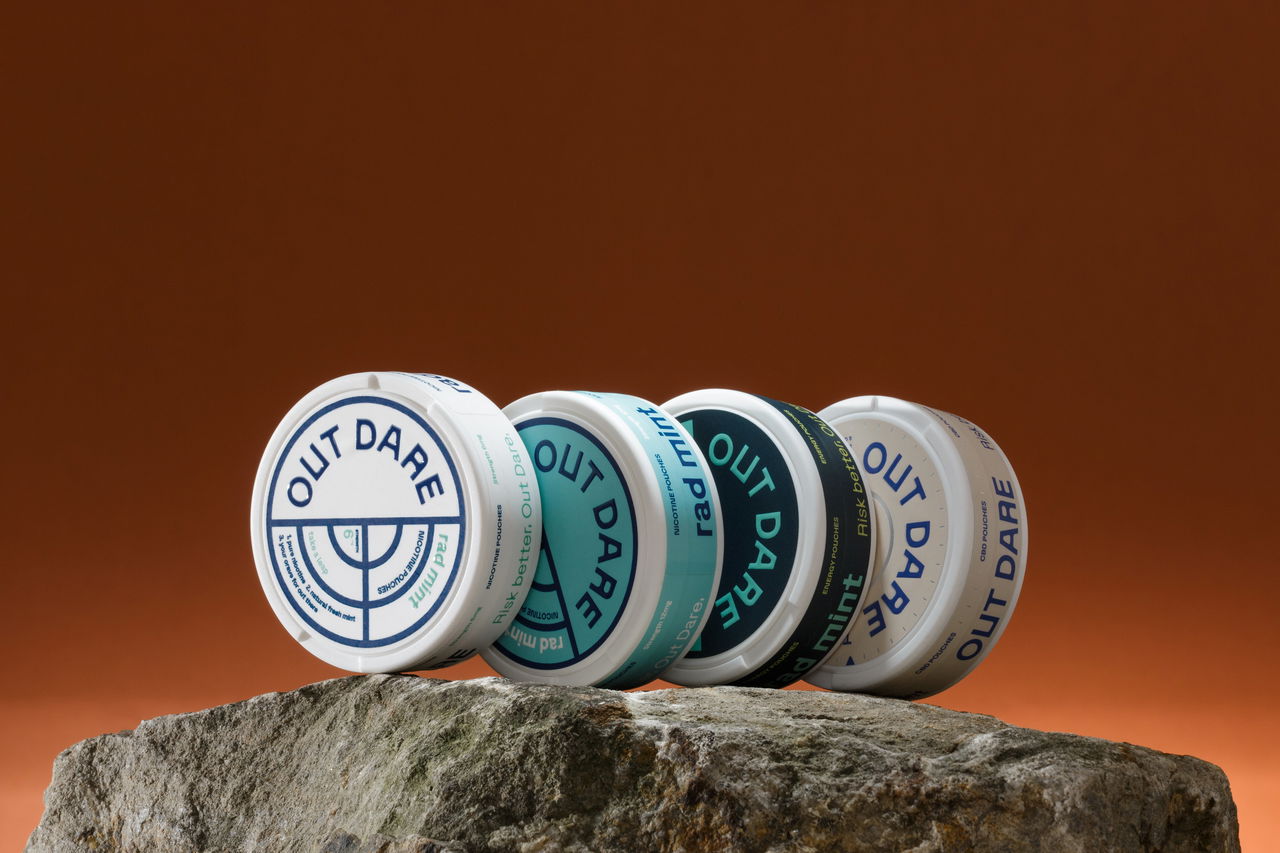
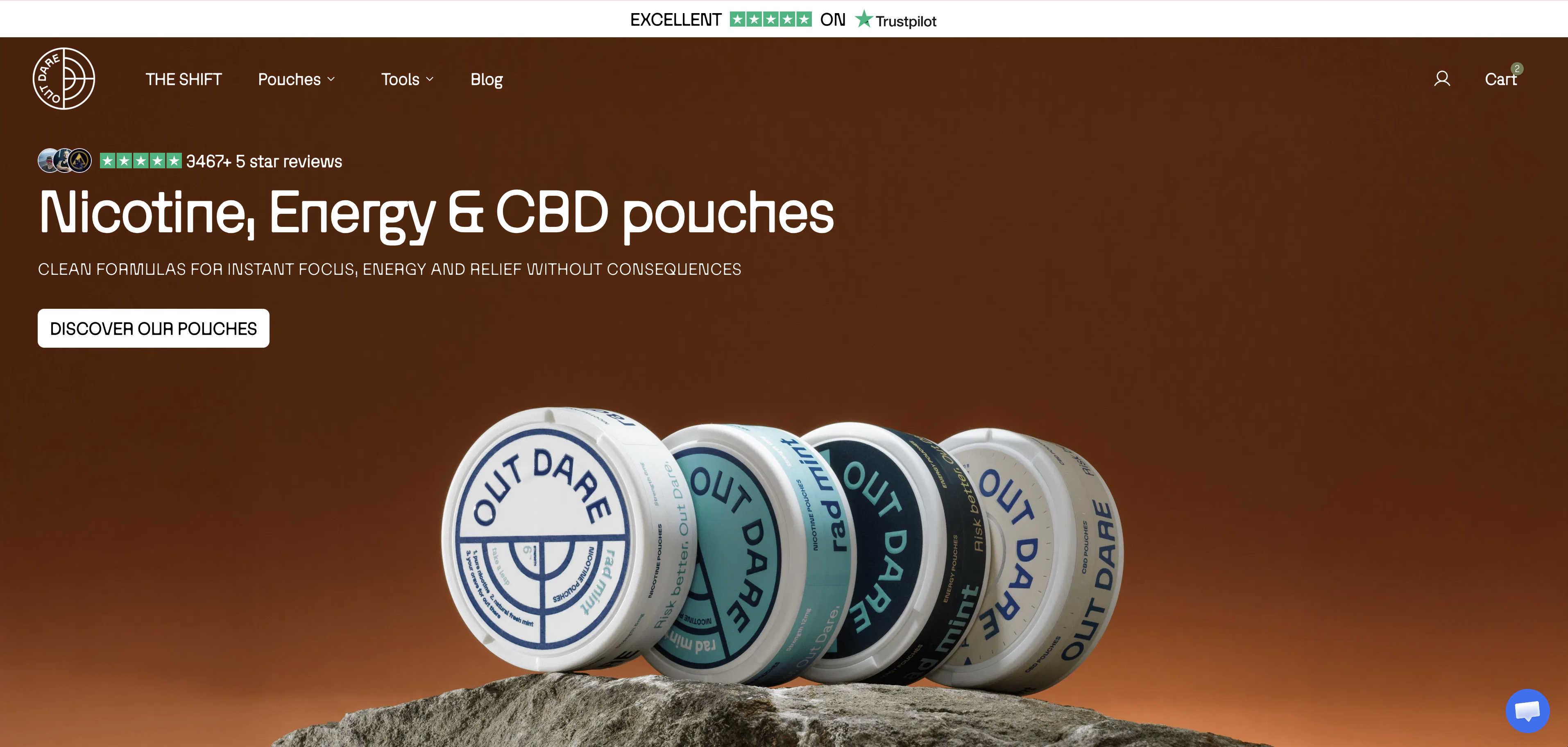
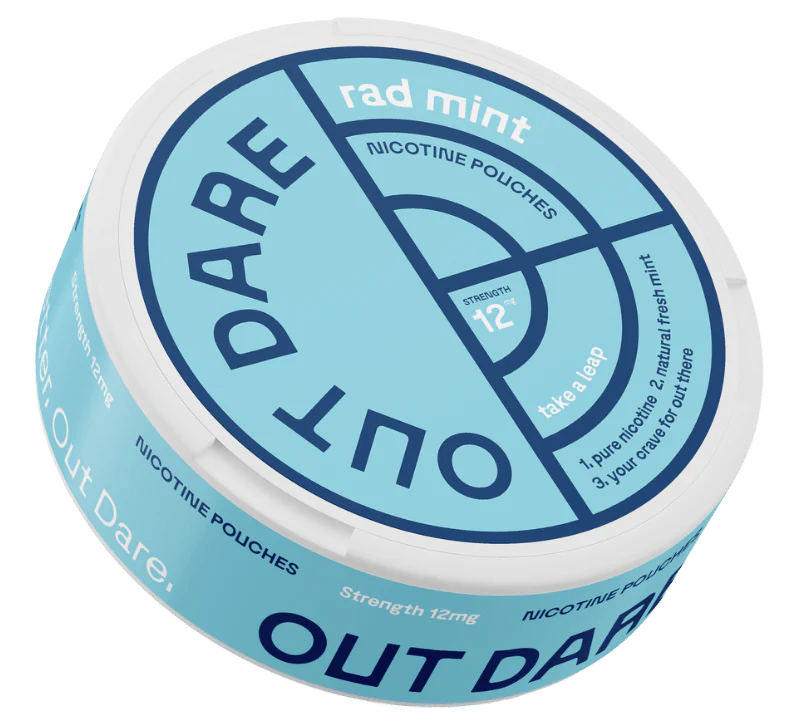
Outdare's Energy Pouch — delivering 50mg caffeine combined with nootropics and zero nicotine — sits squarely in this emerging premium segment. It's designed not just as a standalone product, but as part of a three-pouch system alongside Nicotine and CBD variants, all sharing the same mint flavor, mouthfeel, and gum burn.
Pro Tip: If you're evaluating any energy pouch brand, check whether the label lists individual ingredient doses — not just a "proprietary blend" total. Transparent dosing is the clearest signal of a clean formula. Brands that hide amounts behind a blend label are usually under-dosing the expensive ingredients.
How Clean Energy Pouches Work
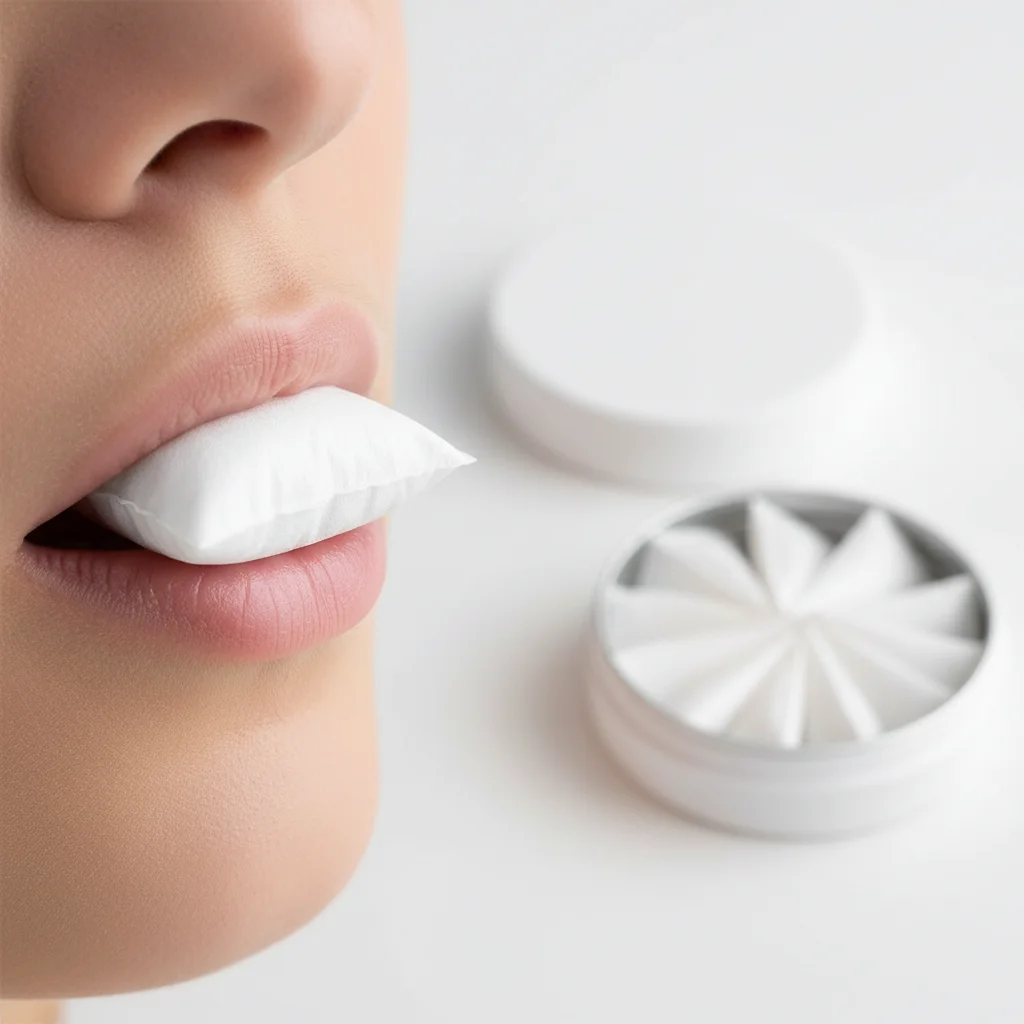
Clean energy pouches deliver active ingredients through the oral mucosa — the thin tissue lining the inside of the mouth — allowing compounds like caffeine and nootropics to enter the bloodstream faster than swallowing a drink or capsule.
The Sublingual Absorption Mechanism
When you place a pouch under your lip, the moist mucosal tissue absorbs the active compounds directly into the bloodstream, bypassing the digestive system. This sublingual (under-the-tongue) and buccal (cheek-lining) absorption route is faster than oral ingestion. As research on caffeine pouches notes, this delivery method "requires no preparation, produces no waste, and delivers energy without liquid intake or digestive delay" [5].
In practice, most users feel the onset of caffeine within 5–10 minutes, compared to 20–45 minutes for a cup of coffee that must transit through the stomach.
Active Ingredients and Their Roles
The best clean energy pouches don't just dump caffeine into a pouch. They combine synergistic compounds for smoother, more sustained cognitive performance. Here's how the key ingredients interact:
| Ingredient | Typical Dose | Primary Function | Key Benefit |
|---|---|---|---|
| Caffeine | 40–56mg per pouch | Adenosine receptor blocker | Alertness, reduced fatigue |
| L-Theanine | 40–100mg per pouch | Alpha-wave promoter | Calm focus, no jitter |
| Alpha-GPC | 40–300mg per pouch | Acetylcholine precursor | Memory, processing speed |
| L-Tyrosine | 50–200mg per pouch | Dopamine/norepinephrine precursor | Stress resilience, motivation |
| Xylitol | Varies | Natural sweetener / filler base | Taste, dental-friendly |
Products like NZE Caffeine Nootropic Pouches combine 50mg caffeine with L-Theanine, Alpha-GPC, and L-Tyrosine [2]. LyvWel's 56mg caffeine pouches position this stack as "a moderate lift perfect for work, workouts, and daily activities" [3].
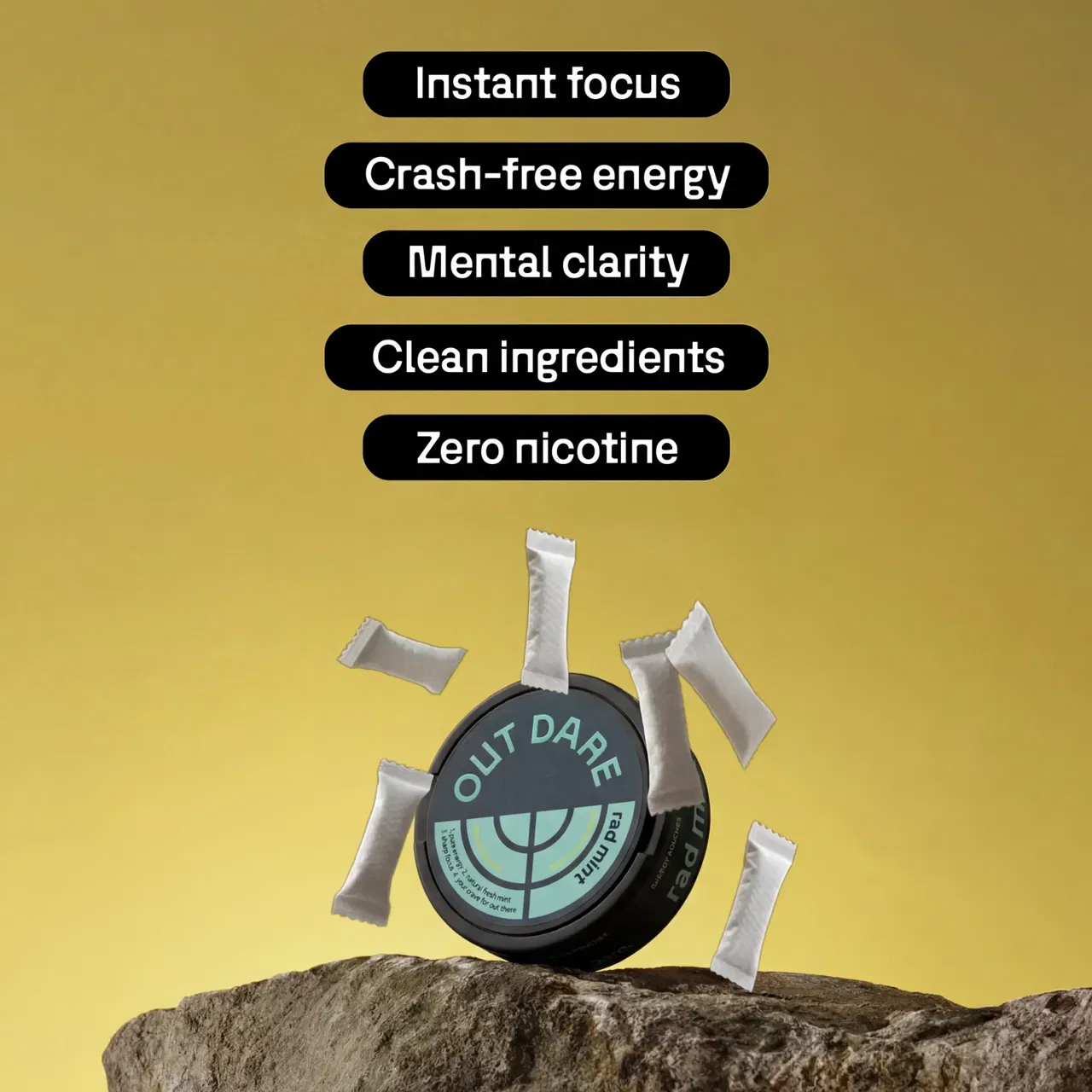
Outdare's Energy Pouch delivers 50mg caffeine alongside nootropics — sharper focus without the jitter — and critically, it's formulated to feel identical to Outdare's Nicotine Pouch in taste, burn, and physical mouthfeel. That sensory parity is the foundation of the brand's reduction system.
Benefits of Clean Energy Pouches in 2026
this strategy offer a distinct functional advantage over coffee, energy drinks, and nicotine pouches: discreet, fast-acting stimulation with no sugar crash, no smoke, no smell, and no chemical dependency.
Performance and Cognitive Benefits
For productivity-focused adults, the appeal is straightforward. No shaker bottle. No trip to the kitchen. No 200-calorie energy drink loaded with synthetic sweeteners. A clean energy pouch delivers a focused caffeine-nootropic hit in under 10 minutes, lasts 30–60 minutes, and leaves no trace — no breath, no container, no waste.
Industry analysts reviewing the category in Men's Health noted that the best-performing energy pouches combine caffeine with complementary nootropics to produce "enhanced focus and energy" without the overstimulation associated with high-dose energy drinks [6].
Key cognitive and physical benefits documented across the category include:
- Faster onset: Buccal absorption delivers caffeine 2–4x faster than drinking coffee
- Sustained focus: L-Theanine smooths caffeine's stimulant curve, reducing the mid-session crash
- Improved working memory: Alpha-GPC (an acetylcholine precursor that supports neurotransmission) has been associated with improved cognitive processing in multiple clinical reviews
- Stress resilience: L-Tyrosine supports dopamine and norepinephrine production under cognitive load
- Zero caloric load: No sugar, no calories — relevant for athletes and fitness-minded users
- Portability: Fits in a pocket; works in a meeting, a gym, a cockpit, or a boardroom
The Harm Reduction Advantage
This is where this approach genuinely separate themselves from every other stimulant format. For heavy nicotine pouch users — people burning through a can a day, spending €150–400/month, dealing with receding gums and gut problems — the energy pouch isn't just a focus tool. It's an exit ramp.
Outdare's system is built around the 30/30/30 Addiction Rule: nicotine accounts for only 30% of pouch addiction, while the physical habit (the pillow feeling under the lip) and the sensory cue (the burn and mint flavor) account for the other 60%. By replacing nicotine pouches with Energy or CBD pouches that feel and taste identical, users satisfy the 60% without feeding the 30% chemical dependency.
At Outdare LTD, we've found that most users who follow the 4-Week Method — progressively swapping nicotine pouches for Energy and CBD variants — reduce their nicotine intake by 60–90% within the first month. That's not a cold-turkey quit. That's a system.
Pro Tip: If you're using energy pouches to reduce nicotine, track your swap ratio each week. Week 1: replace 2 nicotine pouches per day with Energy pouches. Week 2: replace 4. By Week 4, most users are at 1–2 nicotine pouches daily and don't miss the rest — because the ritual is still intact.
For ex-smokers and vapers, independent reviews of the category consistently highlight that zero-nicotine energy pouches offer the discreet oral ritual that patches and gum simply can't replicate [4]. That ritual fidelity is the single biggest predictor of successful long-term cessation.
Common Mistakes and Challenges
The clean energy pouch category has real quality variation — and several common mistakes can undermine both results and safety. Knowing what to avoid is as important as knowing what to buy.
Choosing Poorly Formulated Products
A common mistake is selecting a product based on marketing language rather than ingredient transparency. The BSCG's compliance risk assessment for energy pouches explicitly flags the risk of undisclosed or mislabeled ingredients, particularly in brands that use "proprietary blend" labeling to obscure actual doses [1].
Watch out for these red flags:
- No individual ingredient doses listed — only a total "blend" weight
- No third-party testing certification or batch testing documentation
- Caffeine doses above 200mg per pouch without clear usage guidance
- Artificial sweeteners like aspartame or acesulfame-K instead of xylitol or stevia
- Non-European manufacturing with no disclosed quality standards
- Vague claims like "boosts energy naturally" with no ingredient-level explanation
Misusing the Substitution System
One pitfall to watch for: treating energy pouches as an add-on rather than a replacement. Some users add energy pouches to their existing nicotine routine instead of swapping them in. That defeats the harm-reduction purpose entirely and can increase total daily stimulant load beyond comfortable thresholds.
Another frequent error is expecting energy pouches to replicate the exact subjective feeling of nicotine. They won't — and they shouldn't. Nicotine produces a specific dopaminergic response that caffeine-nootropic combinations approach differently. The goal isn't identical pharmacology. It's identical ritual. Your brain stays in the habit loop while the chemical dependency quietly exits.
From experience working with heavy pouch users, the biggest barrier isn't physical craving — it's the fear of losing the "edge." That edge is real. But in practice, 50mg caffeine plus Alpha-GPC delivers sharper, more sustained cognitive performance than a nicotine hit that peaks in 15 minutes and leaves you reaching for another pouch 45 minutes later.
Pro Tip: Don't use clean energy pouches on an empty stomach if you're sensitive to caffeine. The buccal absorption route is faster than drinking coffee — which means the onset hits harder. Start with one pouch after a meal to calibrate your response before using them pre-workout or during fasted morning work sessions.
Best Practices for Using Clean Energy Pouches in 2026
Getting the most from the practice comes down to timing, dosing discipline, and — for nicotine reducers — following a structured swap protocol rather than improvising.
The Outdare 4-Week Reduction Method
Our team at Outdare LTD recommends this structured approach for anyone using energy pouches as part of a nicotine reduction strategy:
- Week 1 — Audit and introduce: Track how many nicotine pouches you use daily. Replace 2 of them with Energy or CBD pouches. Don't change anything else yet.
- Week 2 — Expand the swap: Replace 4 daily nicotine pouches with Energy (for daytime focus) or CBD (for evening wind-down). Notice that the ritual feels intact.
- Week 3 — Step down nicotine strength: If you were using 12mg or 15mg nicotine pouches, switch remaining nicotine pouches to 6mg. Continue the Energy/CBD swap ratio.
- Week 4 — Minimum nicotine: Aim for 1–2 nicotine pouches per day maximum, used intentionally — not compulsively. The rest are Energy or CBD.
This framework draws on harm-reduction methodology and mirrors the behavioral science behind habit substitution. The key insight: you don't fight the ritual. You change what's inside it.
Optimizing for Performance and Focus
For productivity-focused users not coming from a nicotine background, these practices maximize results:
- Timing: Use a clean energy pouch 10–15 minutes before a deep work session, not during it — let the onset align with your focus window
- Stacking: Pair with a hydration habit (water, not another caffeinated drink) to avoid the mild dehydration that buccal absorption can cause
- Frequency: Two pouches per day is a reasonable ceiling for most users; exceeding 200mg total daily caffeine from pouches adds diminishing returns
- Evening use: Switch to CBD pouches after 4pm to avoid sleep disruption — this is where Outdare's three-pouch system genuinely earns its design logic
- Cycling: Take 1–2 caffeine-free days per week to prevent tolerance buildup and maintain sensitivity
Brands like Teaza Energy report that their herbal pouches deliver 50–100mg of clean energy lasting up to 3 hours [7] — consistent with what the caffeine-nootropic combination achieves when properly dosed and absorbed buccally. Grinds Nootropic Pouches combine 40mg Alpha-GPC and 40mg L-Theanine for a sugar-free, calorie-free, nicotine-free focus formula [9] — further evidence that the category is maturing toward cleaner, more targeted formulations.
Sources & References
- BSCG, "Energy Pouches — Safety, Ingredients and Compliance Risk," 2024
- Amazon, "NZE Caffeine Nootropic Pouches (Variety Pack)," 2026
- Amazon, "LyvWel 56mg Caffeine Energy Pouches — Clean Formula," 2026
- Nectr Energy, "Best Energy Pouches: Clean Energy, No Nicotine," 2026
- Cream Energy, "Caffeine Pouches for Focus: Clean Energy That Actually Works," 2026
- Men's Health, "Some Energy Pouches Are Sketchy. But These Three Actually Work," 2026
- Teaza Energy, "Award Winning Nicotine-Free Herbal Pouches," 2026
- Outlaw Dip, "Energy Pouches — Packed with Clean Caffeine," 2026
- Grinds, "Blue Raspberry Nootropic Pouches — #1 Alternative Pouch Brand," 2026
Frequently Asked Questions
1. What exactly are clean energy pouches and how are they different from nicotine pouches?
this practice are tobacco-free, nicotine-free oral pouches that deliver caffeine and nootropics — compounds like L-Theanine and Alpha-GPC — through the lining of the mouth. Unlike nicotine pouches, they don't create chemical dependency. They replicate the physical ritual (the pouch under the lip, the mint burn, the pillow sensation) while substituting the addictive ingredient with functional, non-habit-forming stimulants. For heavy nicotine pouch users, this distinction is the entire point.
2. Are clean energy pouches safe to use daily?
For most healthy adults, daily use of well-formulated this method is considered low-risk — provided total daily caffeine stays under 400mg (the threshold cited by most health authorities). The BSCG notes that safety depends heavily on ingredient transparency and third-party testing [1]. Pouches using plant-fiber fillers, xylitol bases, and natural flavors — like Outdare's Energy Pouch — are generally better tolerated than those using synthetic fillers or artificial sweeteners. Results may vary based on individual caffeine sensitivity.
3. Can clean energy pouches actually help me quit nicotine pouches?
Yes — but only when used as part of a structured substitution system, not as a random swap. The 30/30/30 Addiction Rule explains why: nicotine is only 30% of pouch addiction. The ritual and sensory burn account for 60%. this strategy that match the taste, mouthfeel, and burn of a nicotine pouch — like Outdare's system — address that 60% directly. Most users following Outdare's 4-Week Method reduce nicotine intake by 60–90% in the first month without white-knuckling a single craving.
4. How much caffeine is in a typical clean energy pouch?
Most quality this approach contain between 40mg and 56mg of caffeine per pouch — roughly equivalent to half a strong espresso. Outdare's Energy Pouch delivers 50mg. Some brands like Outlaw Dip offer 100mg per pouch [8], which is on the higher end. For reference, a standard 250ml energy drink contains 80mg caffeine. The buccal absorption route means the effective "felt" dose is often stronger than the same amount consumed orally, so start conservatively.
5. What nootropics are in clean energy pouches and what do they do?
The most common nootropics in the practice are L-Theanine (promotes calm alertness and smooths caffeine's edge), Alpha-GPC (an acetylcholine precursor that supports memory and processing speed), and L-Tyrosine (a dopamine precursor that improves focus under stress). Brands like NZE and Grinds use all three [2][9]. Outdare's Energy Pouch combines caffeine with nootropics specifically chosen for sharper focus without jitter — the functional equivalent of a flow-state stack in a pocket-sized format.
6. Where can I buy clean energy pouches in Europe?
As of 2026, Outdare ships this practice direct-to-consumer across France, Denmark, Slovenia, Finland, Ireland, and the Netherlands via outdare.co. The Discovery Pack is the recommended starting point — it includes all three pouch types (Nicotine, Energy, CBD) so you can experience the sensory parity firsthand before committing to a full reduction plan. Other brands are available on Amazon and specialist retailers, though European-manufactured options with clean formulas remain relatively scarce.
7. Do clean energy pouches cause any side effects?
Side effects are generally mild and dose-dependent. Some users report mild gum irritation during the first few days — particularly if transitioning from a non-pouch background. Caffeine-sensitive individuals may experience mild heart rate elevation or difficulty sleeping if used too late in the day. The BSCG compliance review flags that poorly labeled products carry higher risk due to undisclosed ingredients [1]. Sticking to transparently labeled, European-manufactured products with xylitol-based formulas minimizes most risks. One limitation: buccal absorption is faster than oral ingestion, so the caffeine hit can feel more intense than expected on first use.
8. How are clean energy pouches different from energy drinks?
The differences are significant. Energy drinks require liquid intake, contain sugar (typically 25–35g per can), produce waste, and take 20–45 minutes to absorb through the digestive system. this method are sugar-free, calorie-free, produce no waste, and absorb through the oral mucosa in 5–10 minutes [5]. They're also discreet — no can, no smell, no preparation. For fitness-minded users and professionals who want clean energy without the bloat, crash, or social visibility of a drink, the pouch format is a material upgrade.
Conclusion
this strategy aren't a gimmick. They're a structural answer to a real problem: millions of people are locked into a pouch ritual that serves them well psychologically and physically, but the only thing inside every can is nicotine. That's a broken system with one ingredient and zero exit strategy.
The clean energy pouch category — built on caffeine, nootropics, and transparent formulas — offers something the traditional nicotine market never could: options. Focus when you need it. Calm when you need that. And a path out of chemical dependency that doesn't ask you to abandon the ritual that makes the whole thing work.
Outdare LTD was built around exactly this insight. Three pouches. Same taste. Same burn. Same mouthfeel. But you control what's inside. The 30/30/30 Addiction Rule says nicotine is only 30% of the problem — and this approach handle the other 60%. Most users who follow the 4-Week Method reduce their nicotine intake by 60–90% in the first month. Not by suffering. By swapping.
Risk Better. Out Dare.

Recommended Articles
Explore more from our content library: