








How to Manage Nicotine Withdrawal Symptoms
| Key Insight | Explanation |
|---|---|
| Nicotine is only 30% of the addiction | The 30/30/30 Addiction Rule shows that habit (30%) and sensory cues like burn and mouthfeel (30%) drive the other 60% of pouch dependency. |
| Cold turkey rarely works long-term | Removing the ritual entirely triggers the strongest cravings. Gradual substitution with sensory-matched alternatives dramatically improves success rates. |
| Withdrawal timeline varies by substance | Nicotine withdrawal peaks within 48-72 hours and typically resolves within 2-4 weeks; other substances follow different timelines. |
| Hydration and nutrition are foundational | Proper fluid intake, protein-rich meals, and B-vitamin supplementation reduce symptom severity across all withdrawal types. |
| The ritual is the relapse trigger | Most relapses happen because the oral habit loop is broken, not because nicotine cravings are unmanageable. Preserving the ritual is critical. |
| A structured 4-week method outperforms willpower alone | Users following a progressive substitution protocol reduce nicotine intake by 60-90% within the first month, without white-knuckling a single craving. |
Knowing how to manage withdrawal symptoms is the difference between a quit attempt that sticks and one that collapses by day three. Most people fail not because they lack willpower, but because they're fighting the wrong battle. They try to eliminate the substance while ignoring the ritual, the sensory cues, and the neurological habit loop that drives 60% of the dependency. This guide walks you through a practical, evidence-informed approach to managing nicotine withdrawal specifically — covering everything from the first 72 hours to a structured 4-week reduction plan. You'll learn why cold turkey fails, how to stabilize your body fast, and how to keep the ritual intact while quietly reducing chemical dependency. Estimated time to implement: 4 weeks. Difficulty: moderate with the right system.

What Withdrawal Actually Is (and Why It's Not Just Willpower): how to manage withdrawal symptoms
Withdrawal is your central nervous system recalibrating after a substance it depended on is removed. It's physiological, not a character flaw. Understanding this distinction is the first step toward managing it effectively. This is particularly relevant for how to manage withdrawal symptoms.
The Neurochemistry Behind Nicotine Withdrawal
Nicotine binds to acetylcholine receptors in the brain and triggers the release of dopamine — the reward chemical. Use it consistently for weeks, and your brain downregulates its natural dopamine production, relying on the external source instead [1]. Remove that source abruptly, and you get the classic symptom cluster: irritability, difficulty concentrating, intense cravings, disrupted sleep, and in many cases, a dull but persistent anxiety that feels impossible to shake.
According to the CDC, common nicotine withdrawal symptoms include strong cravings, irritability, restlessness, difficulty concentrating, increased appetite, and depressed mood — most peaking within the first 48-72 hours [2]. The physical symptoms are real, but they're also time-limited. What isn't time-limited, without the right approach, is the habit loop.
The 30/30/30 Addiction Rule: A Framework That Changes Everything
Standard quit advice treats nicotine addiction as 100% chemical. That's wrong, and it's why most quit attempts fail. The 30/30/30 Addiction Rule breaks dependency into three equal parts: When considering how to manage withdrawal symptoms, this point stands out.
- 30% chemical dependency — the actual nicotine the brain craves
- 30% physical habit — the sensation of something under the lip, the ritual of reaching for a pouch
- 30% sensory cue — the burn, the tingle, the mint flavor that signals "this is my moment"
That means 60% of what you're fighting has nothing to do with nicotine. Most NRT (nicotine replacement therapy) products — patches, gum, lozenges — address the chemical component while completely ignoring the other two. No wonder relapse rates remain stubbornly high. According to research published via the National Institutes of Health, comprehensive withdrawal management that addresses behavioral and environmental triggers alongside chemical dependency produces significantly better outcomes than pharmacological intervention alone [1].
What You'll Need Before You Start
Preparation reduces symptom severity and dramatically improves your odds of success. Going in without the right tools is like trying to run a marathon without training — possible, but unnecessarily painful.
Essential Preparations
- Medical clearance: If you're managing withdrawal from alcohol, benzodiazepines, or opioids — not just nicotine — consult a healthcare provider first. Some withdrawal syndromes are medically serious and require supervised detox [3]
- Hydration supplies: Stock up on still water, electrolyte sachets, and herbal teas. Dehydration amplifies every withdrawal symptom
- Nutritional foundation: Prepare high-protein meals, complex carbohydrates, and fresh fruit for the first week. Blood sugar instability worsens irritability and cravings
- A substitution plan: Know what you'll reach for when a craving hits. This is non-negotiable — an empty hand is a relapse waiting to happen
- A tracking journal or app: Log cravings by time of day, intensity, and trigger. Patterns emerge within 48 hours and give you something to act on
- Social support: Tell at least one person you trust. The Alcohol and Drug Foundation notes that home-based withdrawal is significantly more manageable with a support person present [4]
Knowledge Prerequisites
- Understand your current daily usage (number of pouches, strength in mg)
- Know your primary trigger times (morning, post-meal, stress moments, social situations)
- Set a realistic goal: full cessation vs. 60-90% reduction in month one
Pro Tip: Don't set a quit date — set a swap date. The psychological shift from "I'm giving something up" to "I'm replacing something with something better" is small but it changes everything about how your brain approaches the process.
Step 1: Assess Your Dependency Level Honestly
Accurately measuring your current dependency level determines which reduction strategy will work — and how aggressive you can afford to be in week one. For those exploring how to manage withdrawal symptoms, this matters.
How to Measure Your Nicotine Dependency
- Count your daily intake: Track every pouch or cigarette for three days without changing behavior. Most heavy users are surprised by the actual number
- Note your first use: If you reach for a pouch within 30 minutes of waking, you're in the high-dependency range
- Record your strength: Users at 15mg+ per pouch face a steeper chemical withdrawal curve than those at 6mg
- Identify your trigger contexts: Work stress, social situations, post-meal habits, and boredom are the four most common craving triggers
- Rate your previous quit attempts: How long did they last? What caused the relapse? Pattern recognition here is gold
| Dependency Level | Daily Pouches | Strength | Recommended Starting Strategy |
|---|---|---|---|
| Light | 1-5/day | 6mg or below | 50% swap to zero-nic alternatives from day 1 |
| Moderate | 6-12/day | 6-12mg | 25% swap in week 1, increase weekly |
| Heavy | 13-20/day | 12-15mg | Step down strength first, then swap volume |
| Very Heavy | 20+/day | 15mg+ | Consult a healthcare provider; structured taper required |
Step 2: Stabilize Your Body in the First 72 Hours
The first 72 hours of withdrawal are the most physically intense — this is when stabilizing your body's baseline becomes the priority above everything else.
Physical Stabilization Protocol
- Hydrate aggressively: Aim for 2.5-3 liters of water daily. Nicotine acts as a diuretic, and rehydrating speeds up the clearance of metabolites that contribute to symptom intensity [5]
- Eat every 3-4 hours: Blood sugar crashes amplify irritability and cravings. Prioritize protein and complex carbs — eggs, oats, legumes, nuts
- Take a B-complex supplement: Nicotine depletes B vitamins, particularly B6 and B12, which are essential for dopamine synthesis. Supplementing helps stabilize mood in the first week
- Move your body: Even a 20-minute walk triggers endorphin release. According to Verywell Mind, exercise is one of the most consistently effective non-pharmacological tools for reducing withdrawal symptom severity [5]
- Avoid caffeine overload: Nicotine increases caffeine metabolism. Without it, the same coffee hits harder. Reduce by 25-30% in the first week to avoid compounding anxiety
What to Expect Hour by Hour
- Hours 1-4: Mild restlessness, early cravings, possible headache
- Hours 4-12: Irritability peaks, difficulty concentrating, increased appetite begins
- Hours 12-24: Sleep disruption, vivid dreams, possible anxiety spike
- Hours 24-72: Symptoms plateau then begin to ease; cravings become more manageable and shorter in duration
According to clinical guidelines published by the National Institutes of Health, the acute phase of nicotine withdrawal typically resolves within 2-4 weeks, with peak intensity in the first 48-72 hours [1]. This is the window where most people relapse — knowing it's the worst it will get is genuinely useful information.

Step 3: Replace the Ritual, Not Just the Substance
Replacing the ritual is the single most important thing you can do to manage withdrawal symptoms long-term — more important than willpower, medication, or any supplement stack. This directly impacts how to manage withdrawal symptoms outcomes.
Why the Ritual Matters More Than You Think
Here's what nobody tells you about nicotine withdrawal: the craving isn't always for nicotine. Most of the time, it's for the act. The reach. The placement under the lip. The burn that says "this is your moment." That's the 60% the 30/30/30 Addiction Rule identifies as habit and sensory dependency — and it's what cold turkey completely ignores.
In practice, from experience working with heavy pouch users, the relapse trigger is almost never "I couldn't handle the chemical craving." It's "I was stressed at 3pm and my hand automatically reached for a can." The ritual is the relapse mechanism.
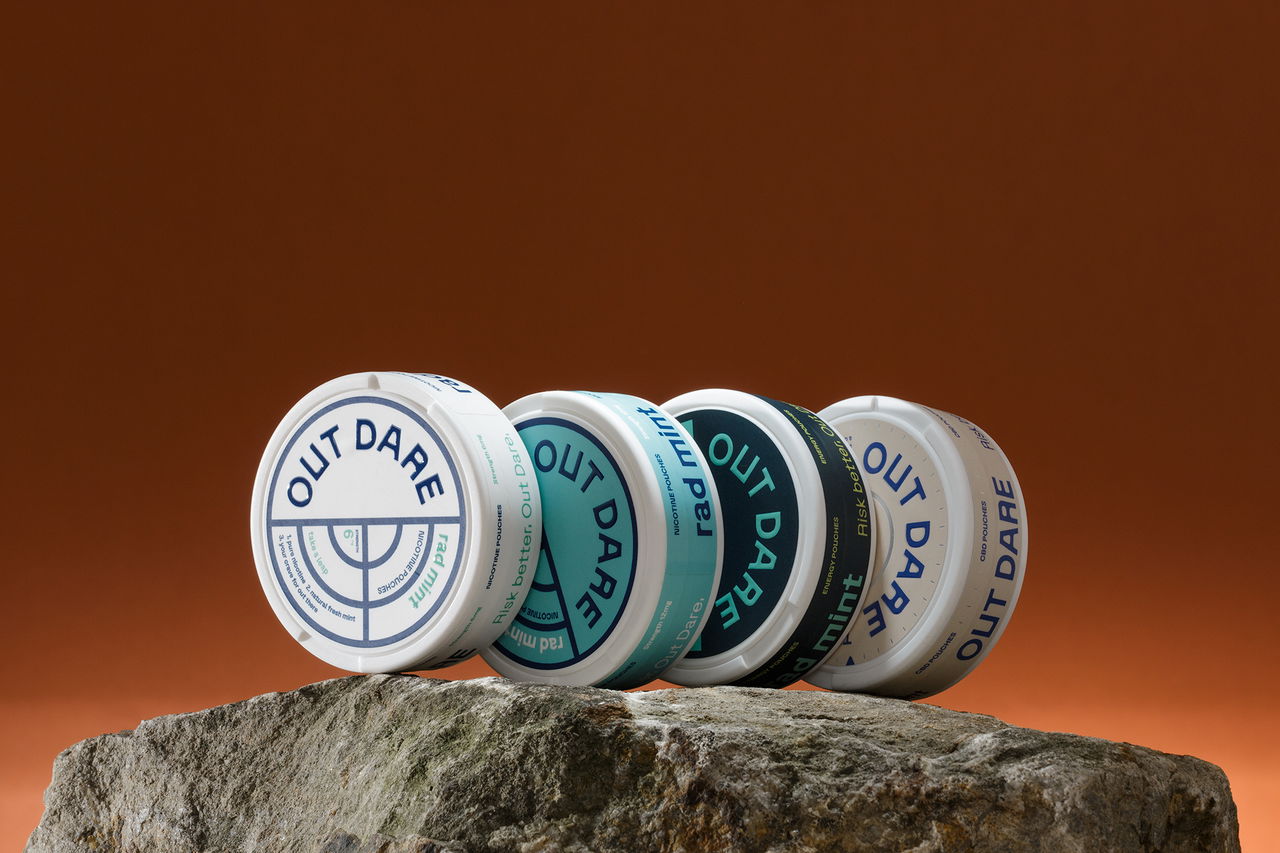
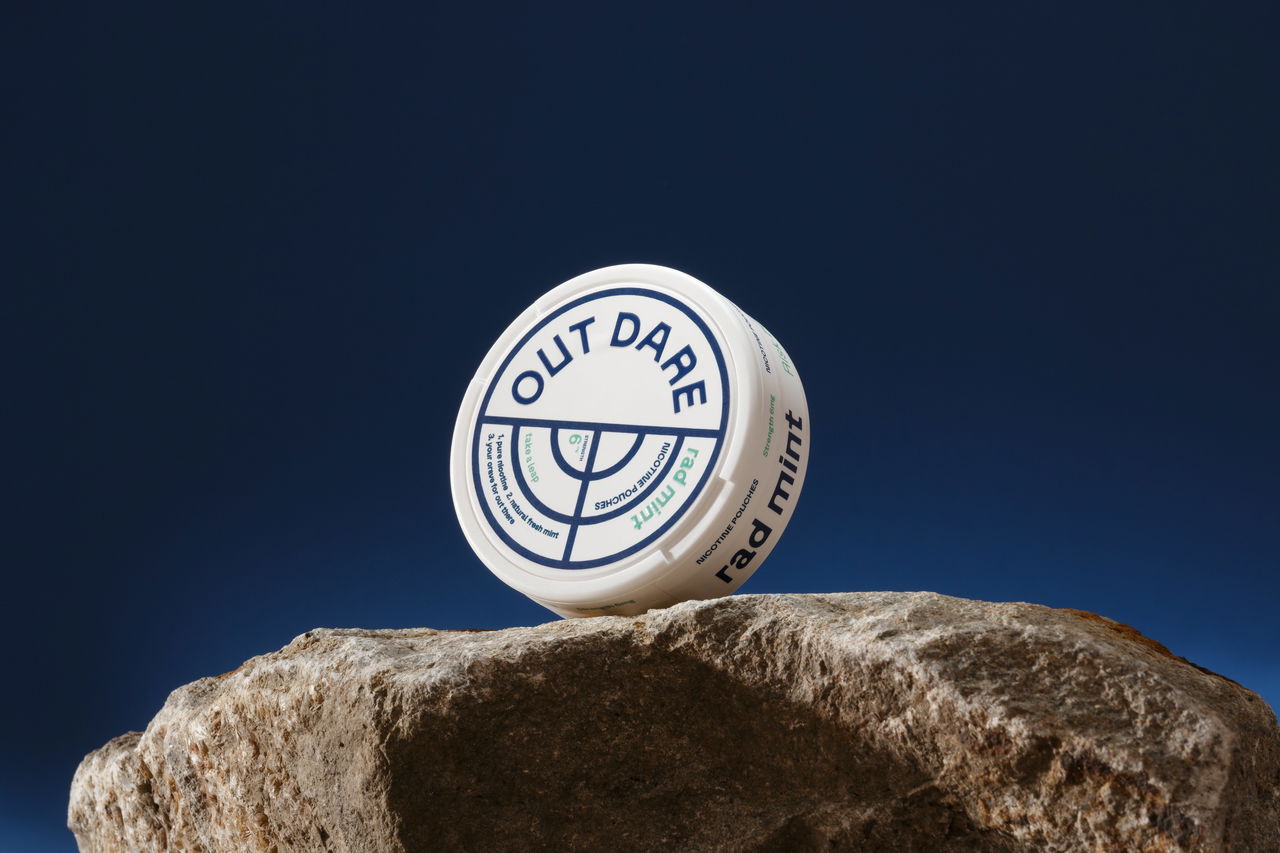
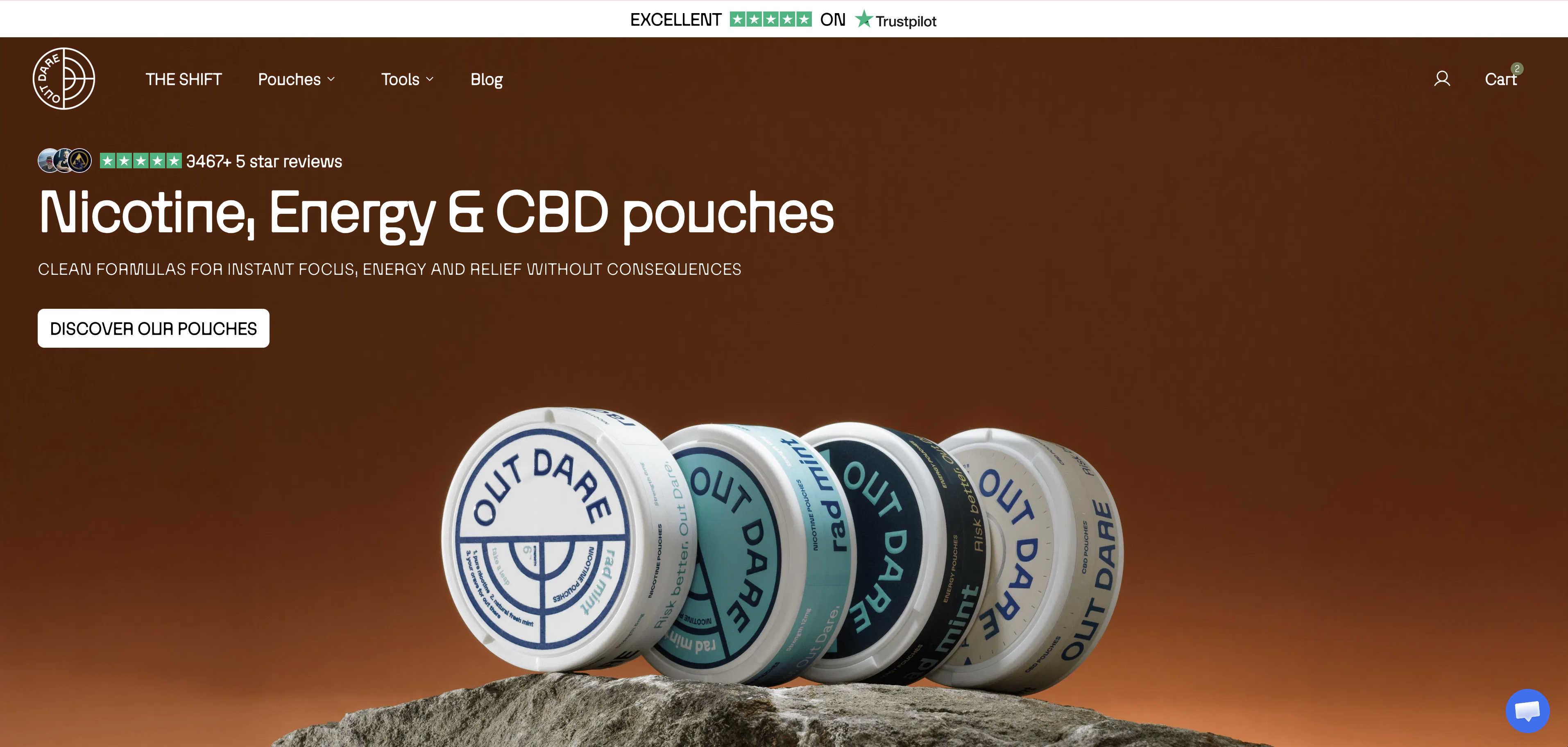
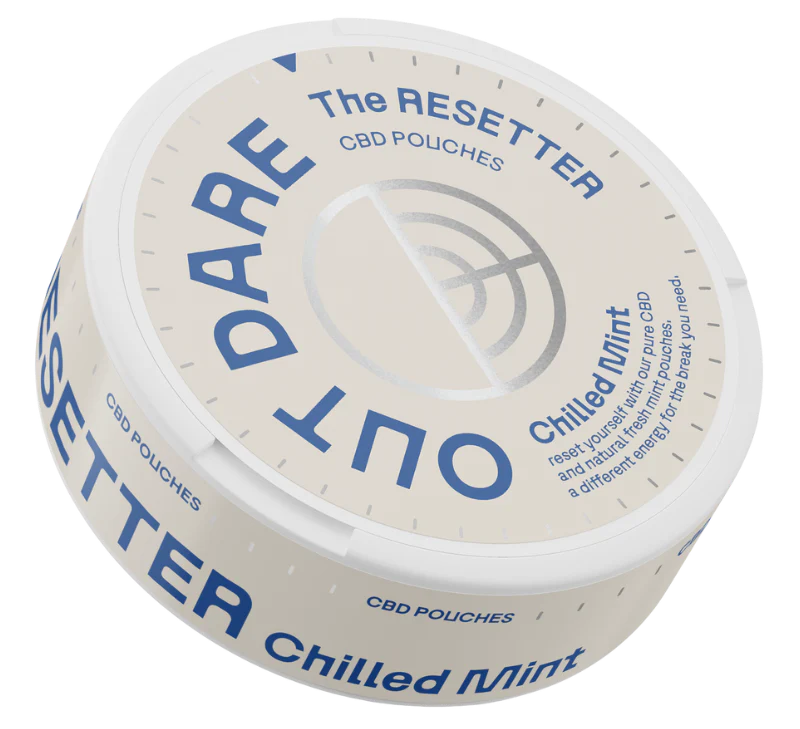
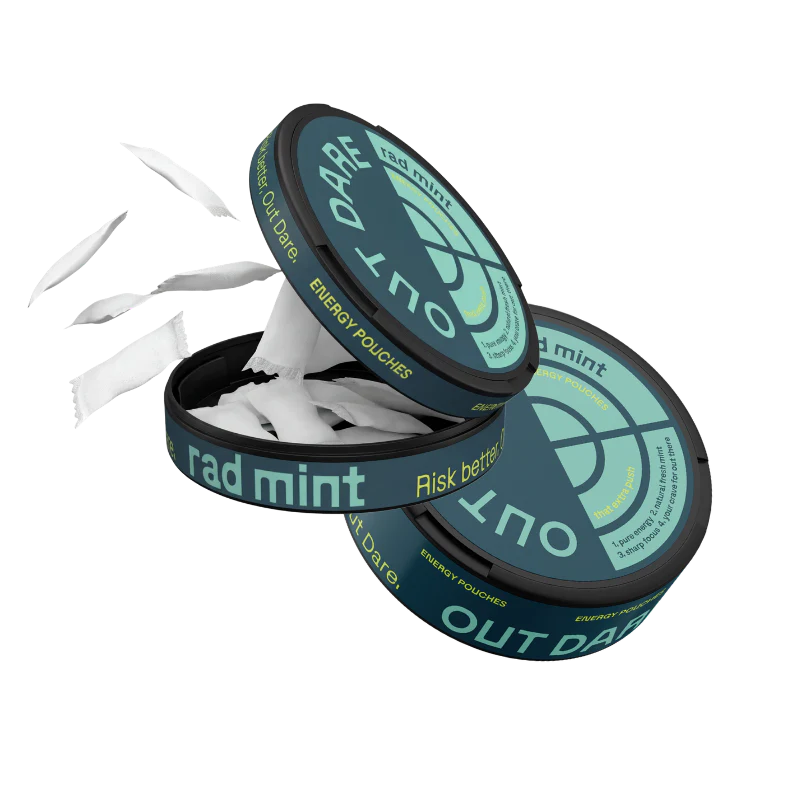
The solution isn't to fight the ritual. It's to keep it intact while changing what's inside the pouch. This is exactly the logic behind a matched three-pouch system: when all three variants — nicotine, energy, and CBD — share the same mint flavor, the same physical mouthfeel, and the same gum burn, your brain can't distinguish between them. The ritual stays. The chemical load drops. This is particularly relevant for how to manage withdrawal symptoms.
How to Execute the Ritual Swap
- Identify your top 3 ritual moments: Morning coffee, post-lunch, stress at work — these are your highest-risk windows
- Pre-load a zero-nicotine alternative: Have it physically ready before the craving hits, not after
- Match the sensory experience exactly: This is non-negotiable. A weak mint gum does not replace the burn of a 12mg pouch. The replacement needs to feel identical
- Track ritual satisfaction separately from craving intensity: You'll notice ritual satisfaction stays high even as chemical cravings decrease — this is the system working
Pro Tip: Place your zero-nicotine alternatives in the exact same physical location as your nicotine pouches — same pocket, same drawer, same can holder. Muscle memory is a powerful thing. If the reach leads to the same place, the brain accepts the swap far more readily.
Step 4: Manage Cravings With a Structured Weekly Plan
Managing cravings effectively requires a week-by-week structure, not a single decision made on day one. The 4-Week Method gives you a framework that reduces nicotine exposure progressively while keeping the ritual fully intact.
The 4-Week Reduction Framework
- Week 1: Replace 25% of your nicotine pouches with energy or CBD alternatives at your lowest-intensity ritual moments (e.g., the after-lunch pouch)
- Week 2: Increase the swap to 50%. If you're at 15mg, step down to 12mg for remaining nicotine pouches
- Week 3: Replace 75% of nicotine pouches. Use nicotine only at your highest-craving moments — typically morning and peak stress
- Week 4: Aim for 90% zero-nicotine. One or two nicotine pouches per day maximum, only when genuinely needed
At Outdare LTD, we've found that users who follow this progressive swap approach — rather than attempting cold turkey — reduce their nicotine intake by 60-90% within the first month without reporting significant withdrawal distress. The key is that the ritual never disappears. The brain stays satisfied while the chemical load quietly drops.
Craving Management Tactics That Actually Work
- The 5-minute rule: When a craving hits, wait 5 minutes before acting on it. Nicotine cravings peak and pass within 3-5 minutes. Outlasting the wave is a skill that improves with practice [5]
- Distraction with a physical task: Cold water on the face, a short walk, or 10 push-ups — anything that engages the body and breaks the craving loop
- Nootropic-assisted focus: For productivity-focused users, an energy pouch containing 50mg caffeine plus nootropics (compounds that support cognitive function) like L-Theanine and Alpha-GPC delivers a clean focus boost without feeding the nicotine dependency
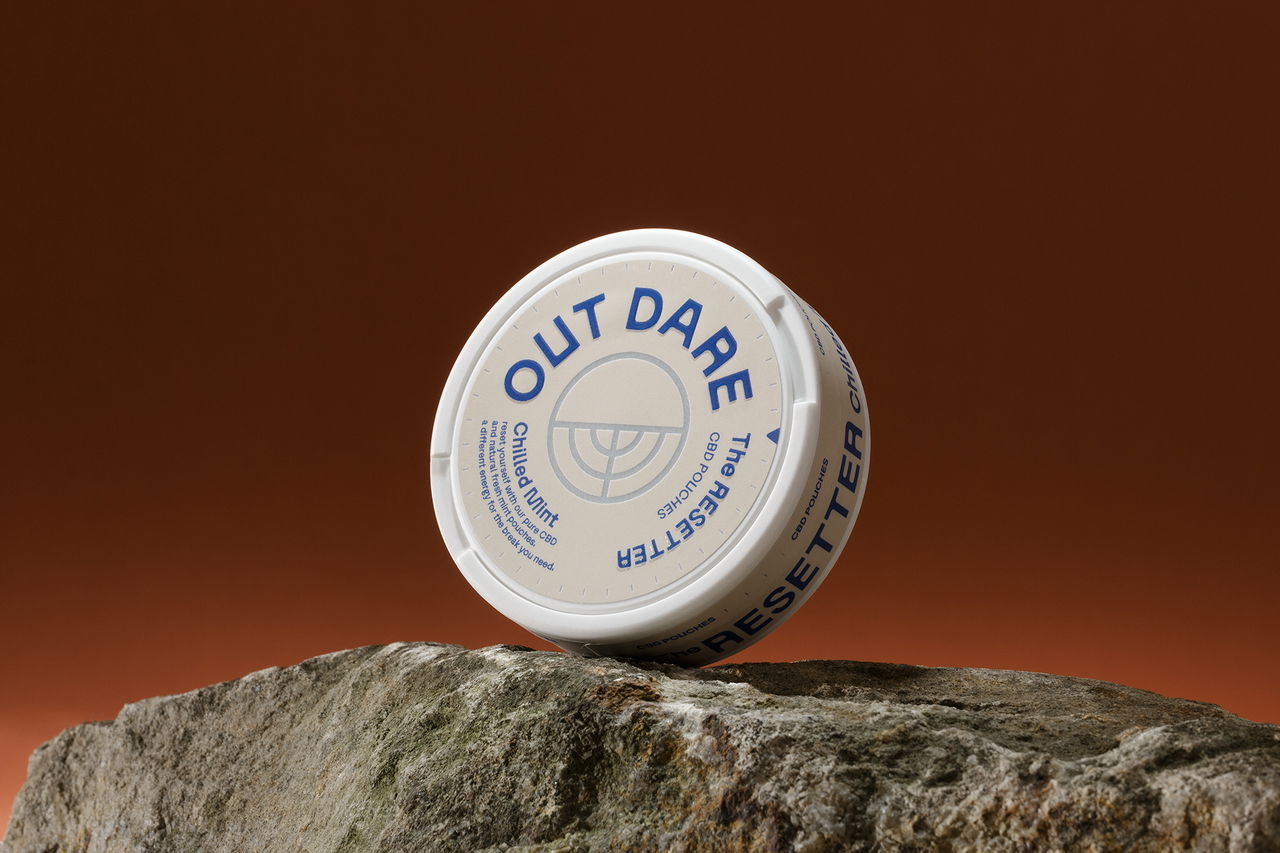
- Evening reset: CBD pouches (cannabidiol, a non-psychoactive hemp compound) used as an evening ritual address the anxiety and restlessness that peak in late withdrawal — without any nicotine exposure
Step 5: Support Sleep and Mood Through the Transition
Sleep disruption and mood instability are the two withdrawal symptoms that derail the most quit attempts — addressing them proactively is essential to staying on track. When considering how to manage withdrawal symptoms, this point stands out.
Sleep During Withdrawal
Nicotine is a stimulant. Your brain has adapted to its presence during waking hours, and its sudden absence disrupts the sleep architecture that was built around it. Expect vivid dreams, lighter sleep, and earlier waking in the first 1-2 weeks. This is normal and temporary [2].
- Establish a fixed sleep and wake time — even on weekends
- Avoid screens for 60 minutes before bed; blue light compounds the sleep disruption already present in withdrawal
- Consider a CBD-based evening ritual as a wind-down cue — the act of placing a pouch, combined with the calming effect of CBD, creates a new sensory ritual that signals sleep without any nicotine
- Keep the bedroom cool (around 18°C / 65°F) — core body temperature regulation is disrupted during withdrawal
Mood Stabilization Strategies
Irritability and low mood in nicotine withdrawal are driven by dopamine deficiency — the brain's reward system is running below baseline until it recalibrates [3]. According to SAMHSA, counseling and behavioral support significantly improve outcomes during withdrawal from any substance, including nicotine [6].
- Daily physical activity — even 20-30 minutes of moderate exercise — raises dopamine and serotonin naturally
- Social connection: tell someone you trust what you're doing. Isolation amplifies withdrawal symptoms
- Journaling: writing down craving triggers and emotional states creates distance between the impulse and the action
- Avoid alcohol in the first two weeks — it lowers inhibition and dramatically increases relapse risk
Pro Tip: Use the energy pouch during your most cognitively demanding work block — 50mg caffeine plus nootropics delivers the focus edge you previously associated with nicotine, without the dependency. Your brain gets the reward signal it's looking for; the nicotine stays out of the equation.
Step 6: Taper Strategically Using Step-Down Dosing
Strategic tapering — reducing nicotine strength and volume in a controlled sequence — is far more effective than abrupt cessation for managing withdrawal symptoms in heavy users. For those exploring how to manage withdrawal symptoms, this matters.
Step-Down Dosing Protocol
- Start at your current strength: Don't drop strength and volume simultaneously in week one. Pick one variable to reduce first
- Reduce strength before volume: If you're at 15mg, move to 12mg for one week before reducing the number of pouches. This keeps the ritual count stable while lowering chemical exposure
- Then reduce volume: Once stable at the lower strength, begin substituting pouches with zero-nicotine alternatives using the weekly swap schedule above
- Don't rush the taper: Accelerating the timeline to impress yourself is a classic mistake. A 4-week taper that sticks beats a 10-day sprint that collapses
- Use your lowest-craving moments for the first swaps: Post-lunch and evening are typically lower-intensity craving windows than morning or peak work stress
Monitoring Your Progress
Track three metrics weekly: total nicotine pouches consumed, total zero-nicotine pouches consumed, and average craving intensity (rate 1-10 daily). According to clinical withdrawal management guidelines, self-monitoring of symptom intensity is a validated tool for improving adherence to reduction protocols [1].
Most users see craving intensity drop from a 7-8 in week one to a 3-4 by week three — not because the chemical dependency has fully resolved, but because the ritual is still being satisfied. That's the system working exactly as intended.
Common Mistakes to Avoid
Knowing what not to do is half the battle. These are the most common errors that undermine withdrawal management — drawn from real-world experience with habitual pouch users. This directly impacts how to manage withdrawal symptoms outcomes.
The Biggest Pitfalls
- Going cold turkey without a ritual replacement: This is the single most common mistake. Removing the substance without replacing the ritual leaves a behavioral void that fills with relapse. According to Valley Hope, abrupt cessation without support produces the highest relapse rates of any quit strategy [7]
- Underestimating the sensory component: Switching to a nicotine gum or patch doesn't replicate the oral ritual. If the replacement doesn't feel the same, the brain rejects it within days
- Treating every craving as a chemical craving: Most cravings after day 3 are habitual, not chemical. Reaching for a nicotine pouch to satisfy a ritual craving is like taking a painkiller for an itch — you're treating the wrong signal
- Skipping nutrition in the first week: Blood sugar crashes are indistinguishable from nicotine cravings in the short term. Eating regularly removes one of the most common false-craving triggers
- Using withdrawal as a reason to isolate: Social withdrawal compounds mood disruption. Even brief social contact — a walk with a colleague, a phone call — meaningfully reduces symptom intensity [4]
- Expecting linearity: Day 8 will sometimes feel harder than day 4. This is normal. Withdrawal isn't a straight downward slope — it's a wave pattern that trends downward over weeks, not days
What Can Go Wrong: A Real-World Scenario
A heavy pouch user recently described going from 18 pouches per day (12mg) to zero in 48 hours. By day three, the irritability was so severe it was affecting his work relationships, and by day five he had relapsed to his original intake — plus more, to compensate. The mistake wasn't lack of willpower. It was removing the ritual entirely and expecting the brain to adapt without a substitute. A structured swap to zero-nicotine alternatives with the same sensory profile would have kept him functional throughout the transition.
Sources & References
- National Institutes of Health / NCBI, "Clinical Guidelines for Withdrawal Management and Treatment," 2009 (accessed 2026)
- CDC, "7 Common Withdrawal Symptoms — Quit Smoking," 2026
- Cleveland Clinic, "Opiate and Opioid Withdrawal: Causes, Symptoms & Treatment," 2026
- Alcohol and Drug Foundation, "Home-Based Withdrawal," 2026
- Verywell Mind, "How to Deal With Withdrawal Symptoms: 7 Tips That Can Help," 2026
- SAMHSA, "National Helpline for Mental Health, Drug, Alcohol Issues," 2026
- Valley Hope, "Common Addiction Withdrawal Symptoms and How to Prevent Them," 2026
- Healthdirect Australia, "Addiction Withdrawal," 2026
Frequently Asked Questions
1. How to deal with drug withdrawal symptoms?
Managing drug withdrawal effectively requires addressing both the physical and behavioral dimensions simultaneously. Medically, this means maintaining hydration, eating regular protein-rich meals, taking B-vitamin supplements, and using prescribed medications where appropriate. Behaviorally, it means identifying your trigger contexts, replacing the ritual with a sensory-matched alternative, and getting structured support — whether through counseling, a trusted person at home, or a behavioral framework like the 4-week progressive swap method. Treating only the chemical side while ignoring the habit loop is the primary reason most quit attempts fail.
2. How to prevent withdrawal symptoms?
You can't fully prevent withdrawal symptoms, but you can significantly reduce their severity through preparation and a gradual taper. Nutritionally, a diet rich in protein, complex carbohydrates, B vitamins, and adequate hydration reduces symptom intensity by supporting dopamine synthesis and stabilizing blood sugar — two key drivers of craving and irritability. Strategically, avoiding cold turkey in favor of a structured step-down protocol (reducing strength before volume, then substituting with zero-nicotine alternatives) keeps the brain's habit loop satisfied while the chemical load drops progressively. This approach, grounded in the 30/30/30 Addiction Rule, consistently outperforms abrupt cessation in real-world outcomes. This is particularly relevant for how to manage withdrawal symptoms.
3. How long do withdrawal symptoms last?
For nicotine specifically, acute withdrawal symptoms — irritability, cravings, difficulty concentrating, disrupted sleep — peak within 48-72 hours and typically resolve within 2-4 weeks for most users [1]. The timeline varies by how long you've used, the strength of your product, and whether you're tapering or going cold turkey. Psychological cravings tied to habit and ritual can persist longer — sometimes months — which is exactly why ritual substitution matters more than chemical management alone. For opioids, onset is 12-48 hours after last use with a duration of 10-20 days depending on the compound [1].
4. What to give someone going through withdrawal?
The most practical immediate support is a calm environment, consistent hydration, and regular meals — these address the physical baseline. Emotionally, presence matters more than advice: sit with them, don't lecture, and don't minimize what they're experiencing. After checking with a healthcare provider, over-the-counter options like pain relievers, anti-nausea medication, and sleep aids can reduce acute discomfort. For nicotine withdrawal specifically, the most effective thing you can give someone is a sensory-matched zero-nicotine alternative that preserves the oral ritual — this removes the behavioral void that causes most relapses, without requiring willpower they may not have in week one.
5. Is it safe to manage nicotine withdrawal at home?
Yes — nicotine withdrawal is uncomfortable but not medically dangerous for most people, making home-based management entirely appropriate [8]. Unlike alcohol or benzodiazepine withdrawal, which can involve serious complications requiring medical supervision, nicotine withdrawal's primary risks are psychological: relapse, mood disruption, and sleep disturbance. The Alcohol and Drug Foundation recommends having a support person available during home-based withdrawal from any substance, and ensuring access to professional help if symptoms become unmanageable [4]. If you have underlying cardiovascular or psychiatric conditions, consult your doctor before beginning any reduction protocol.
6. Why do I keep relapsing even when I want to quit?
Repeated relapse almost always traces back to the ritual, not the chemical craving. Your brain has encoded the pouch ritual — the reach, the placement, the burn — as a reward signal that's entirely separate from the nicotine itself. When you remove the substance without replacing the ritual, the behavioral void creates an unbearable pull back to the original habit. This is the 60% of addiction that most quit strategies completely ignore. The fix isn't stronger willpower. It's a system that keeps the ritual intact while progressively reducing the chemical component — which is exactly what a structured substitution approach with sensory-matched zero-nicotine alternatives delivers.

Conclusion
Knowing how to manage withdrawal symptoms is less about enduring discomfort and more about engineering a smarter system. The evidence is clear: cold turkey fails most people not because they're weak, but because it removes the ritual without replacing it. The 60% of addiction that lives in habit and sensory cues doesn't disappear because the nicotine does.
The approach that works is structured, progressive, and ritual-preserving. Assess your dependency honestly. Stabilize your body in the first 72 hours with hydration, nutrition, and movement. Replace the ritual with something that feels identical. Taper the chemical load week by week. Support your sleep and mood through the transition. And don't rush it — a 4-week taper that sticks is worth infinitely more than a 3-day sprint that collapses.
At Outdare LTD, we built the entire three-pouch system around this exact logic. Same mint taste, same burn, same mouthfeel — across nicotine, energy, and CBD pouches. Your brain can't tell the difference, so the ritual stays intact while you quietly take back control. Most users reduce their nicotine intake by 60-90% in the first month. Not by suffering through it. By swapping smarter.
Risk Better. Out Dare.
Recommended Articles
Explore more from our content library: