

How Caffeine Energy Pouches Work (and Who They're For)
| Key Insight | Explanation |
|---|---|
| What they are | Caffeine energy pouches are small, tobacco-free sachets placed under the lip that deliver caffeine (and often nootropics) directly through the oral mucosa. |
| Speed of effect | Buccal absorption (through the inner cheek and gum lining) delivers caffeine to the bloodstream faster than drinking coffee, with effects felt within 5-10 minutes. |
| Nicotine-free alternative | For habitual nicotine pouch users, caffeine energy pouches can replicate the oral ritual without feeding chemical dependency on nicotine. |
| Dose range in 2026 | Products on the market range from 25mg to 200mg of caffeine per pouch. Most mainstream options sit between 50mg and 100mg per serving. |
| Safe daily limit | Health authorities generally recommend no more than 400mg of caffeine per day for healthy adults. Total intake from all sources must be counted. |
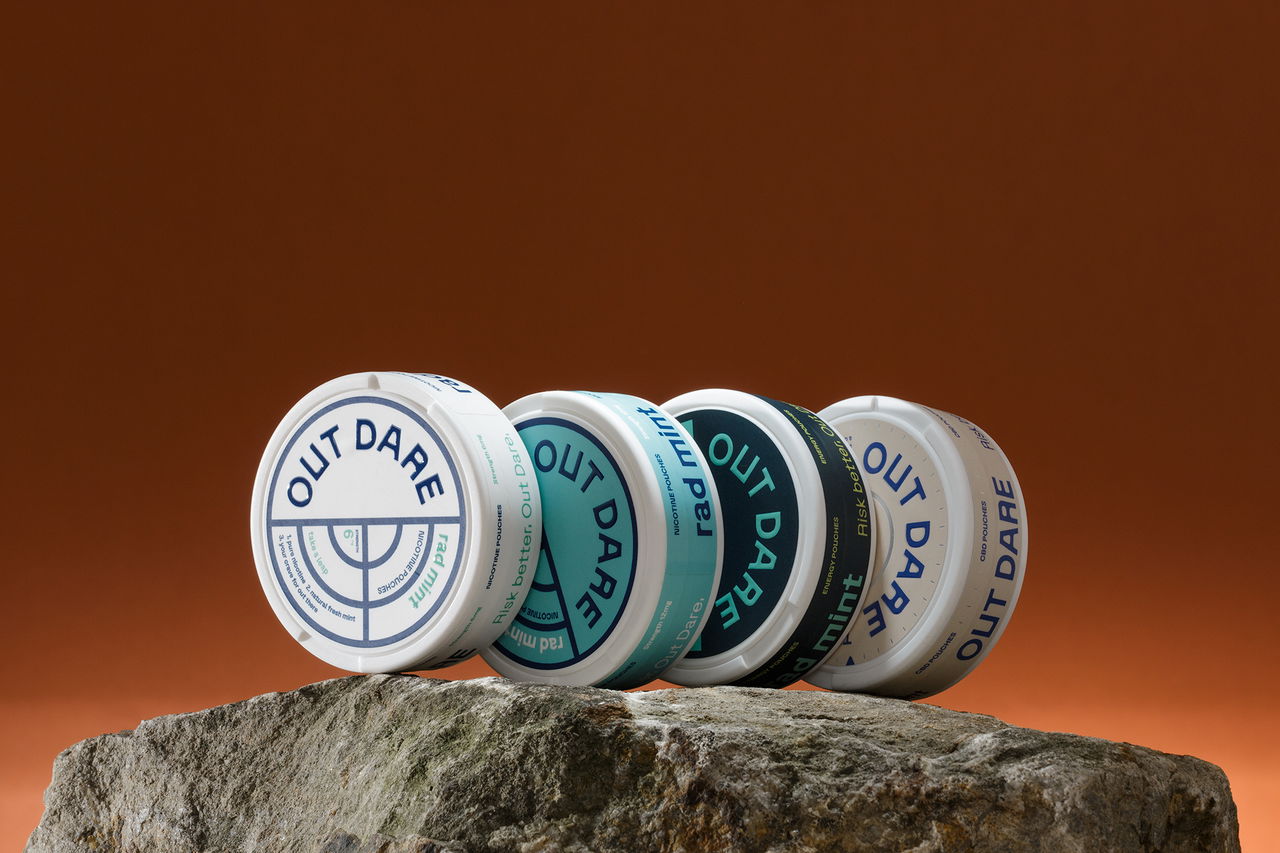
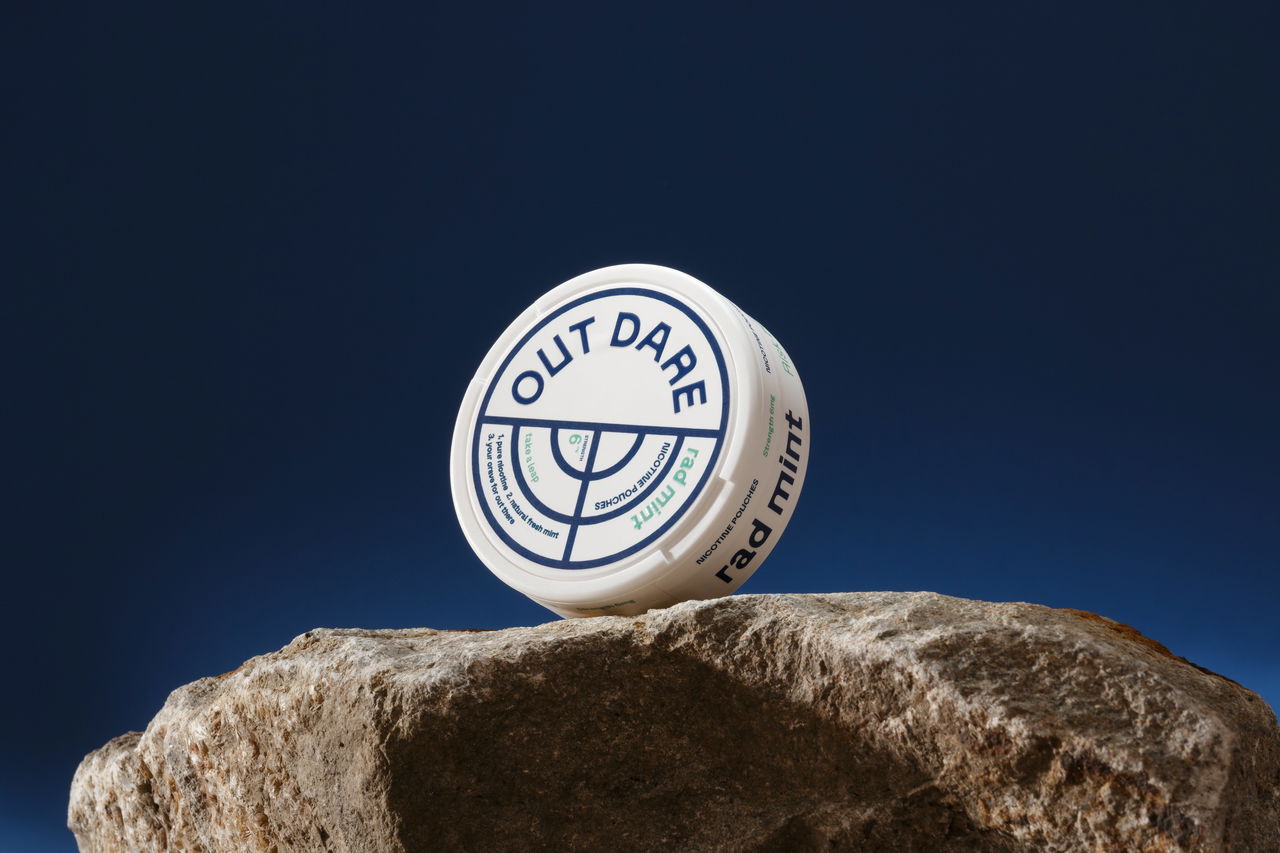
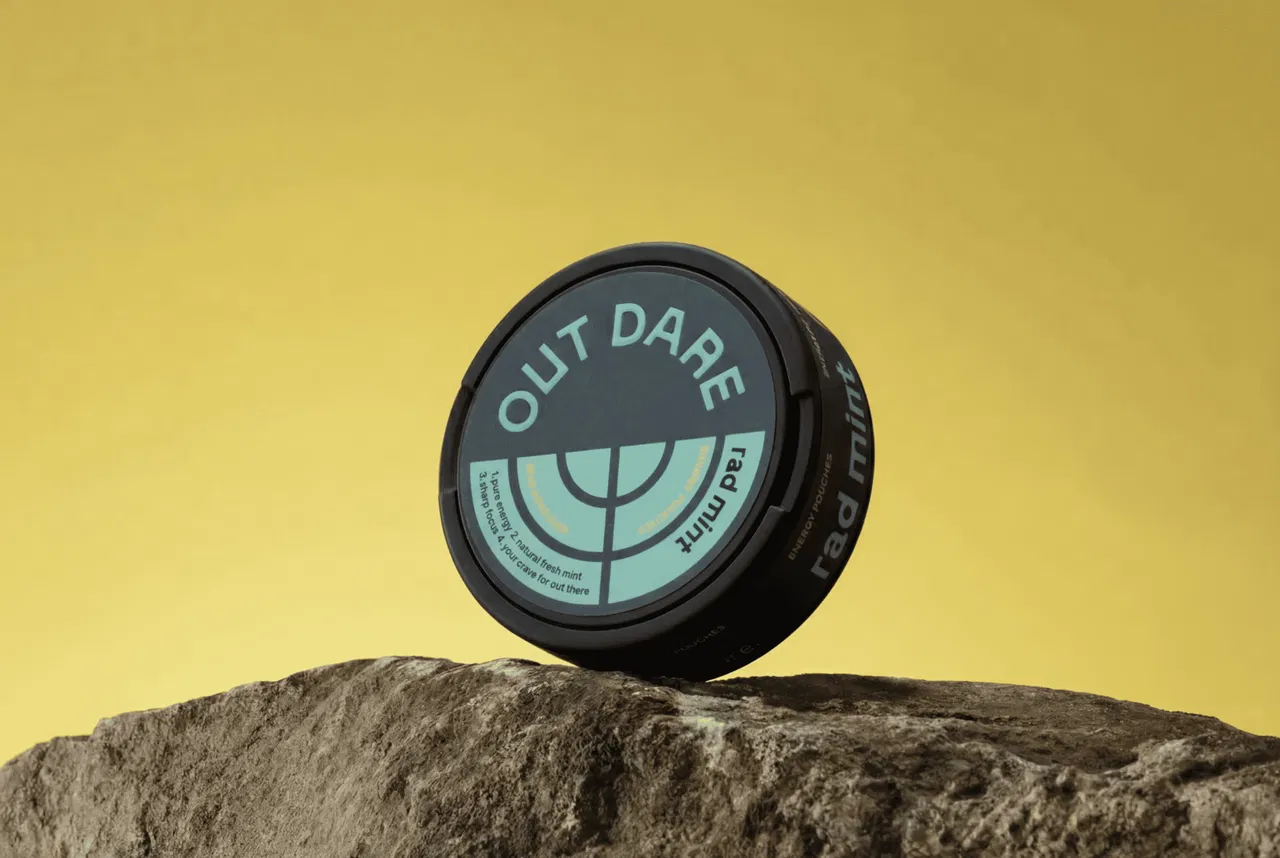
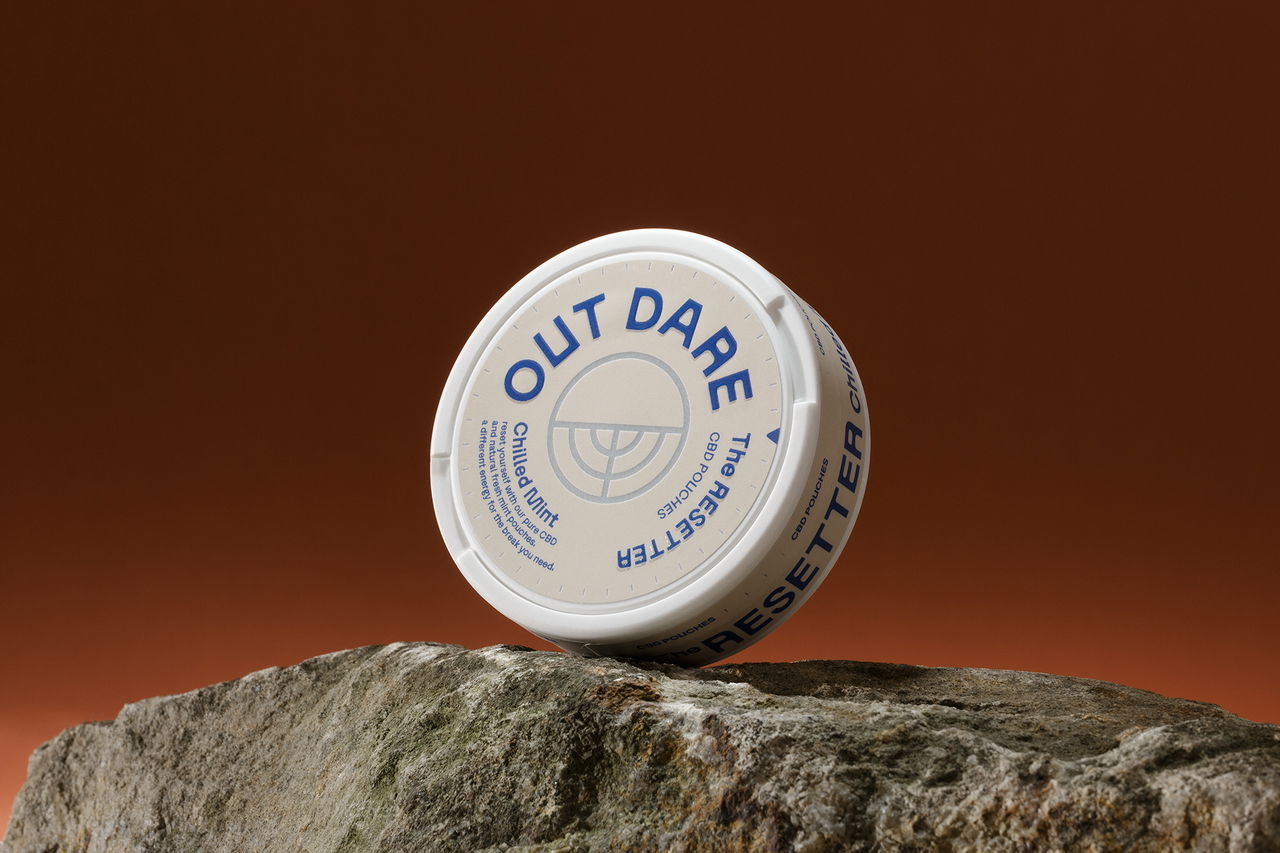
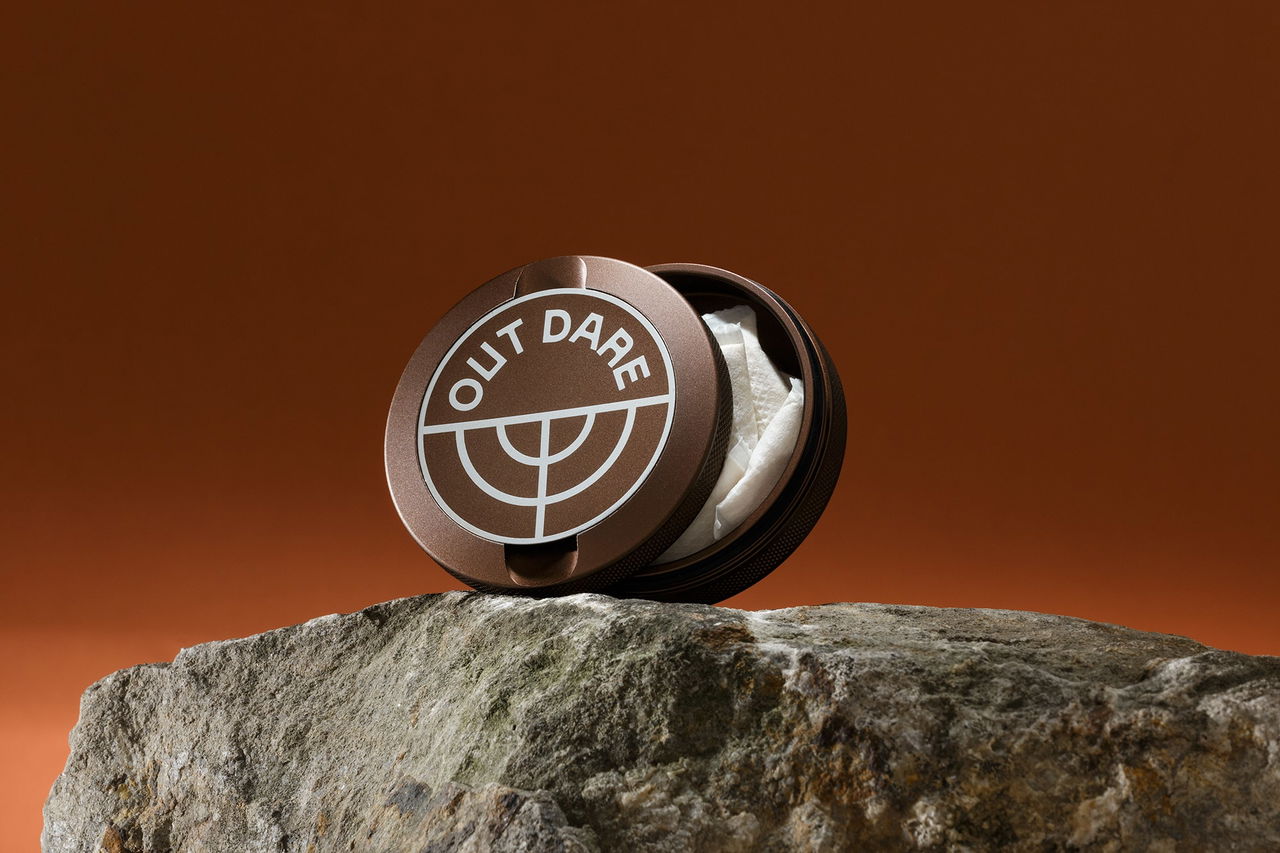
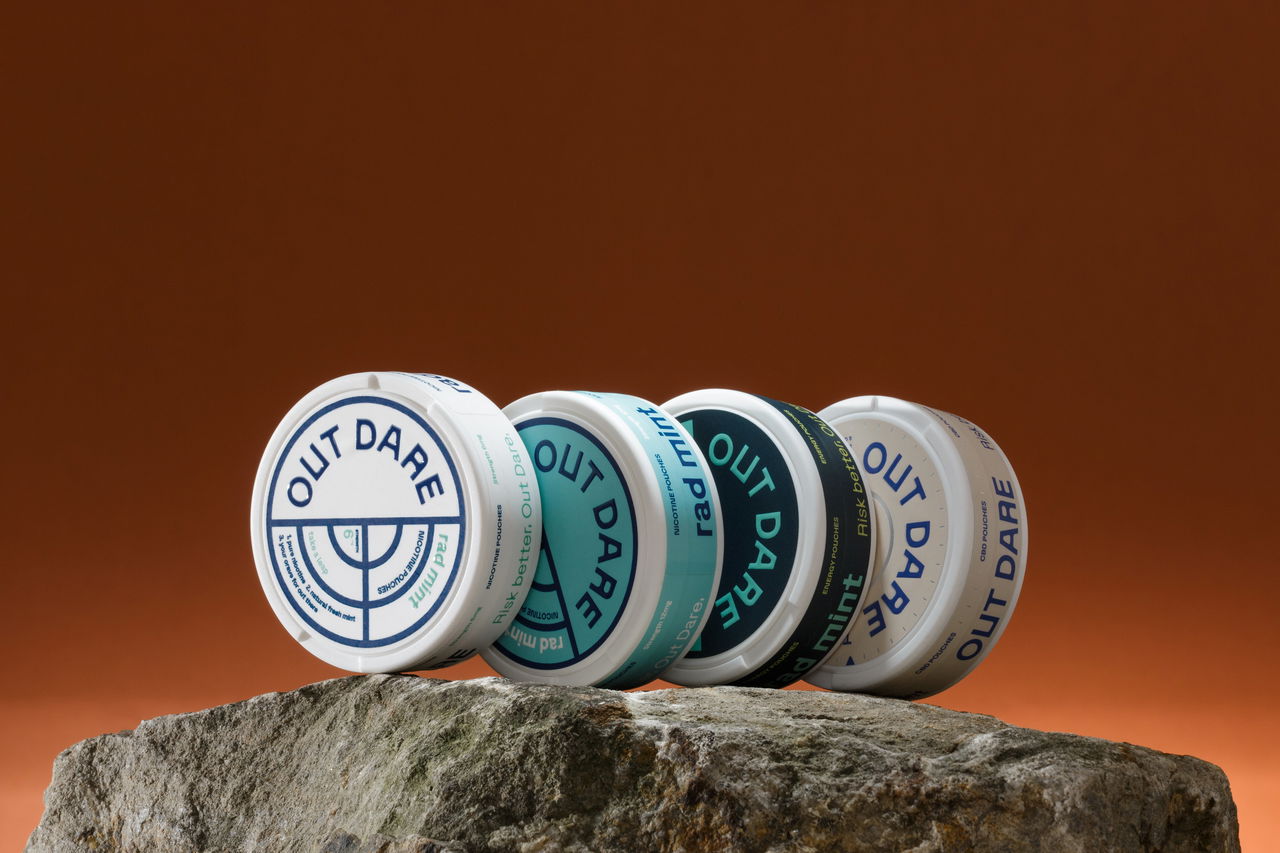
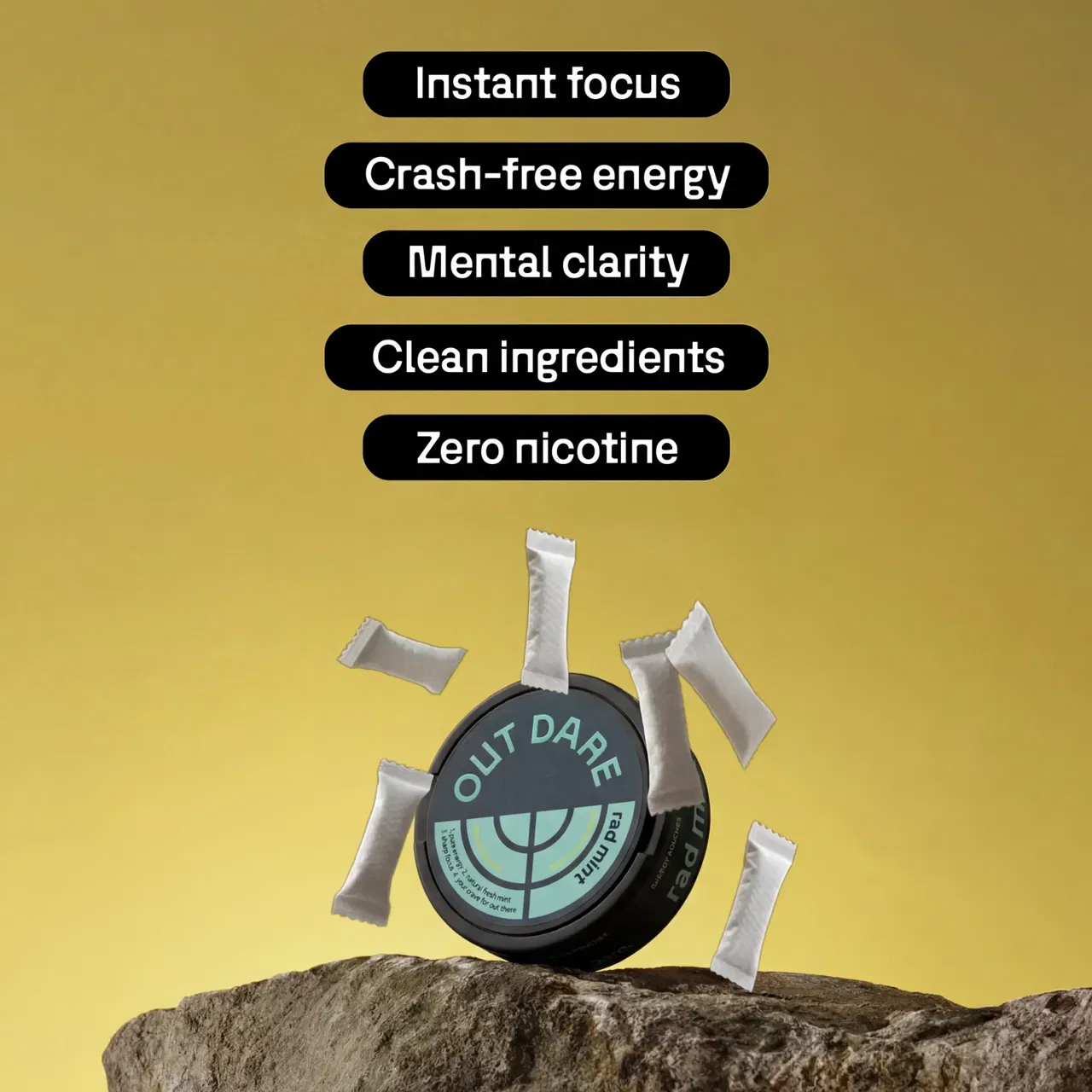
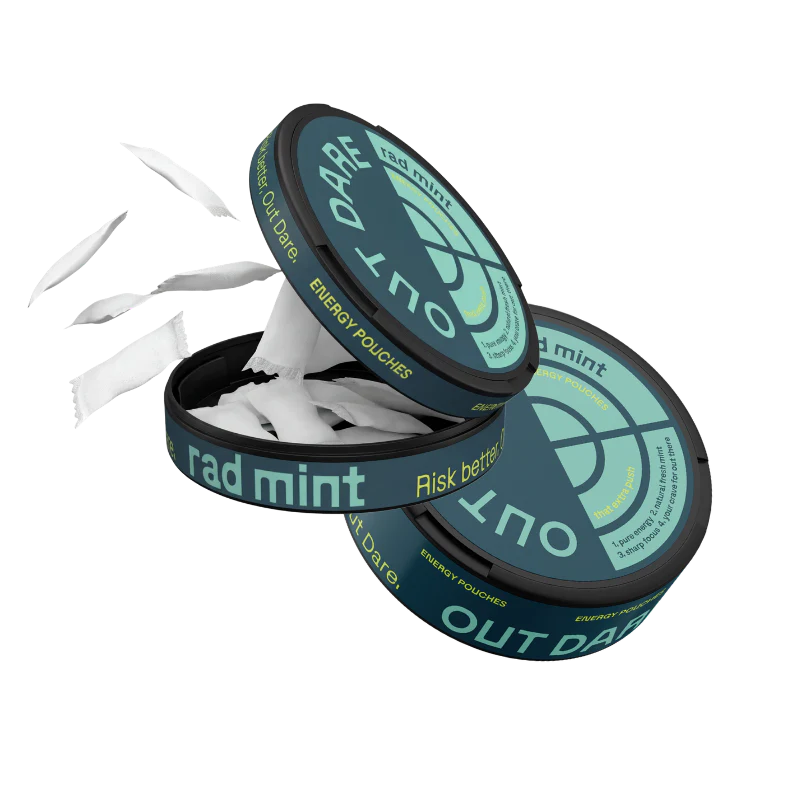
| The Outdare difference | Outdare's Energy Pouch combines 50mg caffeine with nootropics in a formula that shares the exact same mint taste, burn, and mouthfeel as its Nicotine and CBD pouches — enabling systematic habit substitution. |
Here's the problem with how most people get their energy. Coffee upsets your stomach. Energy drinks are loaded with sugar and cause a crash by 3pm. And if you've been using nicotine pouches for the focus boost, you already know that path leads somewhere you don't want to go. Caffeine energy pouches offer a third option: a discreet, portable, tobacco-free format that delivers clean stimulation through the oral mucosa (the soft tissue lining of the mouth) in minutes, not an hour. No liquid. No sugar. No nicotine. This guide covers exactly how they work, how to use them effectively, and how to integrate them into a habit-change strategy that actually sticks. Whether you're a productivity-focused professional looking for a cleaner edge, or a nicotine pouch user who wants a bridge away from chemical dependency, you'll have a clear, actionable framework by the end.
What Are Caffeine Energy Pouches?
Caffeine energy pouches are small, pillow-shaped tobacco-free sachets placed between the lip and gum that deliver caffeine directly through the oral mucosa into the bloodstream. They contain no tobacco, no nicotine, and no liquid to swallow. According to Ashley Addiction Treatment, caffeine pouches (also called caffeine lip pouches) are filled with powdered caffeine, flavoring agents, and a plant-fiber base — making them structurally identical to nicotine pouches but without the dependency-forming chemical [1].
The Core Ingredients
Most caffeine energy pouches share a similar ingredient profile, though formulations vary significantly between brands. The base ingredients typically include:
- Caffeine: The primary active ingredient, ranging from 25mg to 200mg per pouch depending on the product [2]
- Plant-fiber filler: Provides the physical "pillow" sensation under the lip — the same mouthfeel associated with nicotine pouches
- Flavoring agents: Most commonly mint, though coffee, citrus, and fruit variants exist
- Xylitol or sweeteners: Used in premium formulations to improve palatability and support oral health
- Nootropics (in advanced formulas): Compounds like L-Theanine (an amino acid that promotes calm focus) or Alpha-GPC (a choline compound supporting cognitive function) added to enhance mental clarity without jitters
The Banned Substances Control Group (BSCG) defines energy pouches as "small, pillow-shaped packets placed between the lip and gum containing caffeine or other active ingredients like nootropics" — a format that has grown substantially across Europe and North America since 2024 [3].
How They Differ From Nicotine Pouches
The physical format is nearly identical. The chemistry is completely different. Nicotine pouches create dependency through nicotine's action on acetylcholine receptors in the brain. Caffeine pouches stimulate the central nervous system by blocking adenosine receptors — the receptors that signal fatigue. No dependency loop. No receding gums. No gut dysbiosis from chronic nicotine use.
| Feature | Caffeine Energy Pouch | Nicotine Pouch |
|---|---|---|
| Active ingredient | Caffeine (+ nootropics) | Nicotine |
| Dependency risk | Low (caffeine habit, not chemical dependency) | High (nicotine receptor binding) |
| Onset time | 5-15 minutes | 5-10 minutes |
| Gum health impact | Minimal (xylitol-based formulas may be protective) | Gum recession risk with prolonged use |
| Sleep impact | Timing-dependent (avoid after 2pm) | Disrupts REM sleep cycles |
| Oral ritual preserved? | Yes | Yes |
How Caffeine Pouches Work in 2026
Caffeine pouches deliver their active ingredients through buccal absorption — the process by which compounds pass through the mucous membrane of the inner cheek and gum directly into the bloodstream, bypassing the digestive system entirely. This makes absorption faster and more consistent than drinking coffee or swallowing an energy drink.
The Absorption Mechanism
When you place a pouch under your lip, moisture from your saliva activates the formula. The caffeine and any co-ingredients (like L-Theanine or Alpha-GPC) begin diffusing through the oral mucosa within minutes. Research cited by George Washington University notes that this rapid delivery mechanism means the bloodstream receives caffeine faster than through gastric absorption — which is both the key benefit and the reason dosing discipline matters [4].
Most users report the first effects within 5-10 minutes. The peak stimulation window typically lasts 30-60 minutes, making caffeine pouches well-suited to targeted productivity sessions, pre-workout preparation, or focused work blocks.
Why the Oral Ritual Matters for Habit Change
This is where the science gets interesting — and where most energy pouch brands miss the point entirely. The oral ritual itself (placing something under the lip, feeling the burn, tasting the mint) is a deeply conditioned behavioral cue. For anyone transitioning away from nicotine pouches, that ritual is often as powerful as the chemical dependency.
Outdare's approach is grounded in what the brand calls the 30/30/30 Addiction Rule: approximately 30% of pouch addiction is chemical (nicotine), 30% is the physical habit (the pillow sensation), and 30% is the sensory cue (the burn and taste). Caffeine energy pouches that replicate the same mouthfeel and gum burn address 60% of the addiction loop without any nicotine at all. That's not a small thing. That's the difference between white-knuckling withdrawal and actually succeeding.
Pro Tip: If you're switching from nicotine pouches to caffeine energy pouches, choose a caffeine variant with the same mint flavor and similar gum burn intensity as your current nicotine product. Your brain processes the ritual before it processes the chemistry — matching the sensory experience dramatically reduces the perceived difficulty of the switch.
According to a widely-discussed Reddit thread on caffeine pouches, users consistently report that "the caffeine hits quicker than an energy drink" and that stomach jitters — a common complaint with high-dose energy drinks — are largely absent with the pouch format [5]. This aligns with what we know about buccal absorption bypassing the gut.
Step 1: Choose the Right Caffeine Dose
Select your caffeine dose based on your current daily caffeine tolerance and your intended use case — focus, energy, or nicotine replacement. Starting too high is the most common beginner mistake.
Understanding the Dose Spectrum
As of 2026, caffeine energy pouches on the market range from 25mg to 200mg per pouch [2]. That's a wide range, and the right entry point depends on your baseline:
- 25-50mg: Ideal for caffeine-sensitive individuals or those new to the format. Roughly equivalent to half a cup of coffee. Outdare's Energy Pouch sits at 50mg — a deliberate choice for clean, controlled stimulation without overstimulation.
- 50-100mg: The mainstream range. Suitable for regular coffee drinkers who want a portable, no-liquid alternative. One pouch replaces a standard espresso.
- 100-200mg: High-dose territory. Appropriate only for experienced caffeine users with established tolerance. The Everyday Health review of caffeine pouches recommends that total daily caffeine intake from all sources remain under 400mg for healthy adults [6].
A practical rule: if you currently drink two cups of coffee per day (roughly 200mg caffeine), start with 50mg pouches and treat them as a replacement for one of those cups, not an addition to your existing intake.
Nootropic Add-Ons: What to Look For
Premium caffeine energy pouches often combine caffeine with nootropics for a more balanced cognitive effect. The most evidence-backed combinations include:
- L-Theanine: Promotes calm focus by modulating GABA activity. The classic 2:1 caffeine-to-theanine ratio (e.g., 50mg caffeine + 100mg L-Theanine) is well-documented for reducing jitteriness while preserving alertness.
- Alpha-GPC: A choline precursor that supports acetylcholine production, associated with sharper working memory and faster reaction time.
- B-vitamins: Support mitochondrial energy metabolism — a common addition in functional wellness formulas.
The BSCG energy pouch safety analysis recommends that consumers verify that any nootropic-containing pouch has undergone third-party testing, particularly if the user is subject to sports drug testing [3].
Pro Tip: At Outdare LTD, we've found that 50mg caffeine combined with nootropics hits the sweet spot for most users — enough to feel a clear focus shift without the anxiety spike that higher doses can trigger. If you're coming from a heavy nicotine habit, start at 50mg and assess your response before increasing.
Step 2: Place and Position the Pouch Correctly
Place the caffeine energy pouch between your upper lip and gum on either side of your mouth, ensuring full contact between the pouch and the oral mucosa for optimal absorption. Correct placement determines both the speed and consistency of the effect.
Placement Technique
- Wash your hands before handling the pouch — this is a hygiene basic that most guides skip.
- Remove one pouch from the tin and hold it between your thumb and forefinger.
- Lift your upper lip and place the pouch against your upper gum, slightly to the left or right of center.
- Press gently with your lip to ensure full contact between the pouch and the mucosal surface.
- Leave it in place for 20-40 minutes. Avoid chewing or moving the pouch excessively — this increases saliva production and can cause you to swallow more of the active ingredients rather than absorbing them buccally.
- Dispose of the pouch in the empty compartment in the lid of the tin (most premium brands include this) or in a waste bin. Never litter.
What to Expect During the Session
Within the first 2-5 minutes, you'll notice a mild tingling or "burn" sensation at the placement site. This is normal — it's the flavoring agents and formula activating. The intensity varies by brand and formula strength. A moderate burn that fades within 5 minutes is expected. A persistent burning sensation that worsens is a sign to remove the pouch and try a lower-strength variant.
The Caffyne Energy Pouches by Long Run Co. report that users typically feel "noticeable energy in five minutes or less" — consistent with what buccal absorption research predicts for small-molecule compounds like caffeine [7].
Step 3: Time Your Sessions Strategically
Use caffeine energy pouches at the right time of day to maximize the focus benefit and avoid disrupting sleep — the most overlooked variable in caffeine management. Strategic timing turns a good product into a great system.
Optimal Use Windows
Caffeine has a half-life of approximately 5-6 hours in most adults. That means a 50mg pouch used at 2pm still has ~25mg active in your system at 8pm. For most people, this is enough to delay sleep onset or reduce sleep quality. The practical guidelines:
- Morning session (7-10am): Ideal for a clean start to the day. Pairs well with a focused work block or a morning workout.
- Mid-morning session (10am-12pm): The classic "second hit" window. Effective for extending a focus session before lunch.
- Early afternoon (12-2pm): Acceptable for most users, but monitor sleep quality carefully if you're sensitive to caffeine.
- After 2pm: Not recommended for most users. If you need a ritual in the afternoon or evening, this is where a CBD pouch or a zero-stimulant alternative makes more sense.
Integrating With Your Existing Caffeine Intake
Don't add caffeine pouches on top of your existing coffee intake without adjusting. A common scenario: a user drinks two coffees in the morning (200mg), then adds two 50mg pouches in the afternoon (100mg) and wonders why they feel anxious and can't sleep. Total: 300mg before accounting for any other caffeine sources. Track everything.
Industry analysts note that as the caffeine pouch category matures in 2026, more brands are moving toward lower-dose formulas (25-50mg) that allow multiple sessions throughout the day without exceeding safe thresholds — a smarter design philosophy than the high-dose (150-200mg) formats that dominated early product launches [2].
Step 4: Replace Nicotine Pouches Systematically
Replace nicotine pouches with caffeine energy pouches using a structured substitution method rather than attempting cold turkey — because the ritual is what makes quitting hard, not just the nicotine. A systematic approach addresses both dimensions at once.
The 4-Week Substitution Framework
This is the core of how Outdare's system works in practice. The logic is grounded in the 30/30/30 Addiction Rule: since 60% of pouch addiction is habit and sensory (not chemical), replacing the pouch format while keeping the ritual intact removes the hardest part of quitting. Here's a practical week-by-week approach:
- Week 1 (Baseline): Track how many nicotine pouches you use per day. Don't change anything yet. Just observe the pattern — time of day, triggers, emotional context.
- Week 2 (25% swap): Replace 25% of your nicotine pouches with caffeine energy pouches. If you use 8 pouches per day, swap 2 of them — ideally the ones you use out of habit rather than craving (e.g., the "after lunch" or "before a meeting" pouch).
- Week 3 (50% swap): Move to a 50/50 split. Use caffeine pouches in the morning and early afternoon; keep nicotine pouches for moments of genuine craving.
- Week 4 (75%+ swap): Target 75% or more caffeine pouches. Most users find that by this point, the perceived "need" for nicotine has dropped significantly because the ritual is still fully intact.
Our team at Outdare LTD recommends that users who are serious about reducing dependency use the Discovery Pack first — sampling the Energy, CBD, and Nicotine variants side by side to confirm that the sensory experience is consistent across all three. That confirmation is what makes the system work psychologically.
Pro Tip: The most effective substitution swaps happen at the "automatic" moments — the pouch you reach for without thinking. Those aren't driven by nicotine craving; they're driven by habit cue. A caffeine energy pouch handles those moments perfectly, and your brain won't notice the difference if the taste and burn are matched.
Step 5: Track Your Total Daily Caffeine Intake
Monitor your total daily caffeine from all sources — pouches, coffee, tea, pre-workout, and soft drinks combined — to stay within the 400mg daily limit recommended by health authorities and avoid overstimulation or dependency creep.
Building a Simple Caffeine Log
You don't need an app. A simple daily log works fine. Track:
- Number of caffeine pouches used and their dose (e.g., 3 x 50mg = 150mg)
- Cups of coffee or tea (a standard espresso is ~65mg; a filter coffee is ~95mg)
- Any pre-workout or energy supplements
- Soft drinks with caffeine (a standard cola is ~35mg per 330ml)
Total this daily. If you're consistently above 300mg, consider reducing either your coffee intake or your pouch dose. If you're above 400mg regularly, Everyday Health's review of caffeine pouch safety notes that excess intake can cause increased heart rate, anxiety, and sleep disruption — side effects that undermine the very performance you're trying to optimize [6].
Signs You're Overdoing It
- Difficulty falling asleep even when tired
- Resting heart rate consistently elevated above your baseline
- Afternoon anxiety or restlessness that wasn't present before
- Headaches when you skip a pouch (a sign of caffeine dependency forming)
- Gut discomfort — though this is less common with buccal delivery than with oral ingestion
One limitation worth acknowledging: results vary significantly based on individual caffeine metabolism. The CYP1A2 enzyme (responsible for caffeine processing) varies in activity across individuals, meaning some people metabolize caffeine twice as fast as others. If you're a slow metabolizer, even 50mg pouches in the afternoon can disrupt sleep. Adjust accordingly.
Common Mistakes to Avoid
Most people who have a poor experience with caffeine energy pouches make one of five predictable errors. Avoiding them takes a product from "interesting experiment" to "reliable daily tool."
The Five Most Common Errors
- Starting too high on dose: A common mistake is reaching for a 150mg or 200mg pouch because "more is better." It isn't. High-dose pouches cause the same jittery, anxious overstimulation as too much coffee — except the buccal delivery makes it hit faster and harder. Start at 50mg.
- Adding pouches on top of existing caffeine: One pitfall to watch for is treating caffeine pouches as additive rather than substitutive. If you're already drinking 300mg of caffeine in coffee, adding two 50mg pouches takes you to 400mg — your ceiling, not your floor.
- Using them too late in the day: The 5-6 hour half-life is real. A 3pm pouch is a 9pm problem. From experience, this is the single most common reason users report "caffeine pouches ruined my sleep" — the timing, not the product.
- Expecting nicotine-level intensity: Caffeine energy pouches deliver a different kind of stimulation than nicotine. Nicotine's effect on dopamine and acetylcholine receptors produces a sharper, more immediate "edge." Caffeine's adenosine blockade produces a cleaner, more sustained alertness. Neither is better — they're different. Manage expectations accordingly.
- Skipping the sensory match when substituting for nicotine: In practice, users who switch from nicotine pouches to caffeine pouches with a different flavor, burn level, or mouthfeel report significantly higher relapse rates. The sensory match isn't cosmetic — it's functional. A former Outdare user described it precisely: "The moment the burn felt different, my brain knew something was missing and went looking for the nicotine."
Safety Considerations in 2026
The Atrius Health review of pouch safety notes that while caffeine pouches are generally considered lower-risk than nicotine products, the rapid buccal delivery mechanism means high doses can cause a faster increase in heart rate than equivalent oral caffeine [8]. People with cardiovascular conditions, anxiety disorders, or caffeine sensitivity should consult a healthcare provider before using them.
Pregnant individuals, those under 18, and people on medications that interact with caffeine (including certain antibiotics and antidepressants) should avoid caffeine pouches entirely. These aren't niche edge cases — they're the standard precautions that any responsible brand should make explicit.
Sources & References
- Ashley Addiction Treatment, "What Are Caffeine Pouches?", 2024
- Cyclone Pods, "12 Best Caffeine Pouches in 2026 (25mg to 200mg)", 2026
- BSCG, "Energy Pouches — Safety, Ingredients and Compliance Risk", 2024
- George Washington University Media Relations, "Caffeine Pouches Raise Health Concerns", 2024
- Reddit / AskReddit, "What is your opinion on caffeine pouches?", 2024
- Everyday Health, "Are Caffeine Pouches a Safe Way to Get an Energy Boost?", 2024
- Long Run Co., "Caffyne Energy Pouches", 2024
- Atrius Health, "Why Nicotine and Caffeine Pouches Are Risky for All Ages", 2024
Frequently Asked Questions
1. Do caffeine pouches give you energy?
Yes — caffeine energy pouches deliver real, measurable stimulation by blocking adenosine receptors in the brain, which suppresses fatigue signals and increases dopamine availability. Because buccal absorption bypasses the digestive system, the effect typically arrives within 5-10 minutes — faster than drinking coffee. Most users report a clean, sustained alertness window of 30-60 minutes, without the blood sugar spike and crash associated with energy drinks. The addition of nootropics like L-Theanine in premium formulas further smooths the experience by reducing jitteriness while preserving focus.
2. Are caffeine pouches better than nicotine pouches (like ZYN)?
For most people, caffeine energy pouches are a meaningfully better long-term choice than nicotine pouches — not because the stimulation is stronger (nicotine produces a sharper, more immediate "edge"), but because caffeine doesn't bind to nicotinic acetylcholine receptors, meaning the dependency loop is significantly weaker. Users who switch from nicotine pouches to caffeine pouches report that the oral ritual is preserved — same placement, same burn, same mouthfeel — while the chemical dependency gradually dissolves. The key is matching the sensory experience closely enough that the brain doesn't register a gap.
3. How long does a caffeine energy pouch take to work?
Most users feel the first effects within 5-15 minutes of placing a caffeine pouch under the lip. Buccal absorption delivers caffeine directly to the bloodstream through the oral mucosa, skipping gastric digestion entirely. Peak effects typically occur at the 20-30 minute mark and last for 30-90 minutes depending on the dose and the individual's caffeine metabolism. Higher-dose pouches (100mg+) may produce effects that last longer but also increase the risk of post-session fatigue as the adenosine rebound kicks in.
4. Are caffeine energy pouches safe?
Caffeine pouches are considered safe for most healthy adults when total daily caffeine intake stays under 400mg from all sources. The main risks are overstimulation (anxiety, elevated heart rate, insomnia) from excessive use, and the formation of a mild caffeine habit if used daily at high doses. People with cardiovascular conditions, anxiety disorders, or caffeine sensitivity should consult a doctor before use. Pregnant individuals and those under 18 should avoid them. The buccal delivery format means high doses hit the bloodstream faster than coffee — so dose discipline matters more, not less.
5. Can I use caffeine pouches to quit nicotine?
Caffeine energy pouches are one of the most effective tools for quitting nicotine because they address the part of the addiction that cold turkey ignores: the ritual. The 30/30/30 Addiction Rule identifies that 60% of pouch dependency is physical habit and sensory cue — not the nicotine itself. A caffeine pouch that matches the taste, burn, and mouthfeel of a nicotine pouch satisfies that 60% completely. The remaining 30% (chemical dependency) can then be reduced gradually using a structured substitution method. Most users who follow this approach report reducing nicotine intake by 60-90% within the first month.
6. How many caffeine pouches can I use per day?
The safe daily number depends entirely on the dose per pouch and your total caffeine intake from other sources. At 50mg per pouch, a user who drinks no coffee could theoretically use up to 8 pouches per day and stay under the 400mg threshold — but that's a ceiling, not a recommendation. In practice, 2-4 pouches of 50mg spread across the morning and early afternoon is a sensible daily framework for most users. Stop using them after 2pm to protect sleep quality. Never use caffeine pouches as a substitute for rest.
7. What's the difference between caffeine pouches and coffee pouches?
Coffee pouches (like Grinds) use ground coffee as the active ingredient and are designed to mimic the flavor and ritual of dipping tobacco. Caffeine energy pouches use purified caffeine (often combined with nootropics) as the active ingredient, delivering a more precise and consistent dose without the variability of ground coffee. Coffee pouches typically provide 25-100mg of caffeine per pouch; pure caffeine pouches can range from 25mg to 200mg. For users focused on cognitive optimization or habit substitution, pure caffeine pouches with nootropic add-ons offer more predictable and targeted effects.
Conclusion
Caffeine energy pouches work. They deliver real stimulation, faster than coffee, without nicotine, without sugar, and without a shaker bottle. The key is using them correctly: right dose, right timing, right sensory match, and honest tracking of your total daily caffeine intake.
For nicotine pouch users specifically, the opportunity is bigger than just "a cleaner energy hit." A well-formulated caffeine energy pouch that matches the taste, burn, and mouthfeel of your current nicotine product can handle 60% of your addiction without any chemical dependency. That's the premise behind Outdare LTD's three-pouch system — and it's why the brand exists. Not as another pouch retailer, but as a structured exit ramp from a habit that was never supposed to be permanent.
The steps are straightforward: choose the right dose (start at 50mg), place the pouch correctly, time your sessions before 2pm, substitute systematically rather than quitting cold turkey, and track your total caffeine. Do those five things consistently for four weeks, and you'll have a very different relationship with the ritual — and with nicotine.
Risk better. Out Dare.
Recommended Articles
Explore more from our content library: