









Nicotine Pouch Brain Fog: Causes and How to Fix It

Nicotine Pouch Brain Fog: Causes and How to Fix It

Key Insight Explanation
Brain fog has two distinct causes It can occur both during heavy nicotine pouch use (dopamine dysregulation) and during withdrawal (neurochemical rebalancing). The trigger is different; the fix is different.
Nicotine is only 30% of the addiction According to the 30/30/30 Addiction Rule, the physical habit and sensory burn account for 60% of pouch dependency. Managing those two factors dramatically reduces withdrawal severity.
Cold turkey rarely works long-term Removing the ritual entirely is the most common reason quit attempts fail. Keeping the oral habit intact while reducing nicotine is a more effective strategy for most users.
Withdrawal brain fog typically peaks at 72 hours Most users report the worst cognitive symptoms between day 2 and day 4 after stopping. Symptoms generally improve meaningfully by weeks 2 to 4.
Non-nicotine pouches can maintain the ritual Energy pouches (caffeine + nootropics) and CBD pouches that replicate the same burn, mouthfeel, and taste can satisfy the 60% habit-and-sensory component without adding more nicotine.
Nootropics and clean caffeine can bridge the gap Compounds like L-Theanine and Alpha-GPC support dopamine pathways and cognitive clarity during the reduction phase, reducing the severity of fog without reintroducing nicotine dependency.

Nicotine pouch brain fog is one of the most reported and least discussed side effects of heavy pouch use. You reach for a pouch to sharpen your focus, and for a while it works. Then one afternoon it doesn't. Your thinking feels slow, your concentration drifts, and you can't tell if the fog is from the nicotine or from not having enough of it. That confusion is the problem. Brain fog in pouch users isn't a single phenomenon — it can be caused by chronic nicotine overuse, by withdrawal between doses, or by the neurochemical crash that follows a quit attempt. Understanding which type you're dealing with is the first step to actually fixing it.

person experiencing nicotine pouch brain fog at a desk with a pouch tin nearby

What Is Nicotine Pouch Brain Fog?

Nicotine pouch brain fog is a state of cognitive impairment — reduced focus, mental sluggishness, and difficulty concentrating — directly linked to nicotine's effects on dopamine and acetylcholine pathways in the brain. It can appear both during active pouch use and during nicotine withdrawal, making it one of the more confusing symptoms heavy users face.

The Two-Phase Problem

Here's what most articles don't tell you: brain fog from pouches isn't one thing. It's two entirely different mechanisms wearing the same mask.

  • During-use fog: Chronic nicotine exposure desensitizes nicotinic acetylcholine receptors (nAChRs) — the brain's attention and memory regulators. When those receptors are constantly stimulated, they downregulate. The result is that your baseline cognitive function drops, and you need nicotine just to feel normal [1].
  • Withdrawal fog: When you go too long between pouches, or try to quit, dopamine production temporarily falls below your new, nicotine-adjusted baseline. The brain is used to an external dopamine trigger. Without it, mental clarity tanks [2].

Who Gets It Worst

Users who go through a can a day — roughly 20 pouches, often at 6mg to 15mg each — report the most severe cognitive symptoms. According to the EX Community's support forums, users quitting high-strength pouches describe feeling "less alert" and struggling to pay attention for weeks after stopping [3]. Heavy users under 25 face an additional risk: research confirms that nicotine negatively affects brain development in adolescents and young adults, making early dependency particularly damaging [4].

A common mistake is assuming the fog will clear quickly. In practice, users who quit cold turkey often experience cognitive symptoms for two to four weeks — far longer than they expected, and long enough to trigger a relapse.

Why Nicotine Pouches Cause Brain Fog

Nicotine pouches cause brain fog by disrupting the brain's natural dopamine and acetylcholine regulation, creating a dependency cycle where cognitive performance becomes tied to nicotine dosing frequency rather than the user's underlying neurological health.

The Neurochemistry Behind the Fog

Nicotine binds to nAChRs throughout the brain, initially triggering dopamine release in the nucleus accumbens — the brain's reward center. This is why the first pouch of the day feels like a focus boost. But chronic stimulation causes the brain to compensate by reducing receptor sensitivity and natural dopamine production [5].

Over time, you're not using pouches to feel sharp. You're using them to feel baseline normal.

  • Dopamine dysregulation: Chronic nicotine exposure reduces the brain's natural dopamine output, making it harder to feel motivated or focused without a chemical trigger.
  • Attention pathway disruption: Research from the National Institutes of Health confirms that nicotine replacement affects cognitive networks related to attention and working memory [1].
  • Vasoconstriction: Nicotine narrows blood vessels, temporarily reducing cerebral blood flow. This physical mechanism contributes directly to the heavy-headed, foggy feeling many users report between doses [6].
  • Sleep disruption: Nicotine is a stimulant that suppresses REM sleep. Poor sleep quality compounds cognitive impairment, creating a vicious cycle: you sleep badly, wake up foggy, and reach for a pouch to compensate.

The Gut-Brain Connection

There's another factor most users overlook. Nicotine pouches affect gut motility and the gut-brain axis — the bidirectional communication system between the digestive tract and the central nervous system. Gut disruption, which many heavy pouch users report, can independently impair cognitive function through reduced serotonin signaling. The AARP has highlighted this gut-brain connection as one of the underreported risks of smoke-free nicotine products [7].

Pro Tip: If you're experiencing brain fog between pouches rather than only after quitting, that's a strong signal your nicotine tolerance has climbed past the point of benefit. The pouch is no longer giving you a lift — it's just stopping the withdrawal. That's the moment to start a structured reduction, not a cold-turkey quit.

Nicotine Pouch Brain Fog: The Withdrawal Timeline

Nicotine pouch brain fog during withdrawal follows a predictable timeline: symptoms typically peak between 48 and 72 hours after the last dose, with meaningful improvement by weeks 2 to 4, though some users report cognitive symptoms persisting for up to 12 weeks in cases of very heavy, long-term use.

Week-by-Week Breakdown

Understanding the timeline helps you stop interpreting normal withdrawal as failure. Here's what the evidence and user reports consistently show:

Timeframe Brain Fog Severity Other Common Symptoms What's Happening Neurologically
Hours 0–24 Mild to moderate Irritability, restlessness, cravings Nicotine clearing from bloodstream; dopamine beginning to drop
Days 2–3 Severe (peak) Anxiety, depression, concentration loss Dopamine at its lowest; nAChRs starting to upregulate
Days 4–7 Moderate, improving Mood swings, fatigue, headaches Receptor sensitivity beginning to recover
Weeks 2–4 Mild, episodic Occasional cravings, sleep disruption Natural dopamine production recovering
Weeks 4–12 Minimal for most users Situational cravings (stress, habit triggers) Near-baseline neurochemistry restored

According to APCBham's clinical guidelines on nicotine withdrawal, symptoms including anxiety, depression, and brain fog should begin to meaningfully improve between weeks 2 and 4 [8]. Reddit's r/QuittingZyn community consistently mirrors these timelines, with users reporting that the "unrelenting" cognitive fog is worst in the first week and becomes manageable by week 3 [9].

Why Cold Turkey Makes the Fog Worse

Abrupt cessation removes both the chemical and the ritual simultaneously. That's the worst possible approach for cognitive recovery. The ritual — the physical sensation of the pouch under your lip, the mint burn, the familiar pause — accounts for 60% of what your brain is craving, according to the 30/30/30 Addiction Rule. Strip that away along with the nicotine, and your brain has nothing to anchor to. Fog deepens. Relapse follows.

comparison of nicotine pouch and energy pouch tins illustrating the system used to reduce nicotine pouch brain fog

How to Clear Brain Fog Without Quitting Cold Turkey

The most effective way to clear nicotine pouch brain fog is a structured step-down approach that preserves the oral ritual while progressively replacing nicotine pouches with non-nicotine alternatives — addressing the 60% habit-and-sensory component of addiction without triggering the full neurochemical crash of cold turkey.

The 30/30/30 Framework Applied

The 30/30/30 Addiction Rule breaks pouch dependency into three equal parts:

  • 30% chemical: The actual nicotine dependency — the part most people focus on exclusively.
  • 30% physical habit: The pillow-under-the-lip sensation, the ritual of placing a pouch, the pause it creates in your day.
  • 30% sensory cue: The mint burn, the taste, the gum tingle that your brain associates with relief and focus.

If you replace nicotine pouches with something that satisfies the 60% physical and sensory components, you only have 30% of the dependency left to manage chemically. That's a fundamentally different — and far more manageable — challenge than cold turkey.

A Practical 4-Week Reduction Method

  1. Week 1 — Baseline mapping: Track every pouch you use for seven days. Note the time, the trigger (stress, boredom, habit, focus need), and the strength. Most users discover they're using 15–20 pouches per day without realizing it.
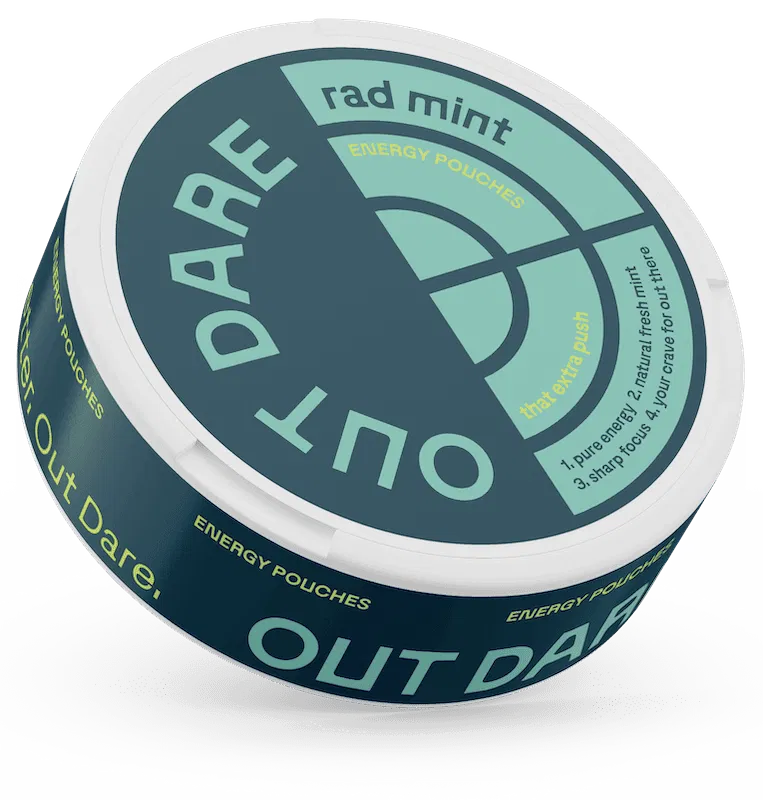
  2. Week 2 — Strategic substitution: Replace every third nicotine pouch with a non-nicotine alternative that has the same burn, mouthfeel, and taste. An energy pouch (50mg caffeine + nootropics like L-Theanine and Alpha-GPC) works particularly well for daytime focus replacements, because it delivers real cognitive support without nicotine.
  3. Week 3 — Shift the ratio: Move to a 50/50 split — half nicotine, half non-nicotine. Use CBD pouches in the evening to address the anxiety and sleep disruption that nicotine withdrawal triggers. The sensory parity means your brain doesn't register a "missing" ritual.
  4. Week 4 — Nicotine becomes the exception: Use nicotine pouches only when you actively choose them, not out of habit or craving. Most users find they've reduced their nicotine intake by 60–90% by this point, with significantly less brain fog, better sleep, and more stable energy.
Pro Tip: The evening is the highest-risk window for relapse. Nicotine disrupts sleep, so you wake up foggy, which makes you reach for a morning pouch to compensate. Breaking this loop with a CBD pouch in the evening — same burn, zero nicotine — interrupts the cycle at its root rather than managing it from the morning end.

Supporting Cognitive Recovery with Nootropics

During the reduction phase, targeted nootropics can meaningfully support the brain's dopamine recovery. Compounds worth considering include:

  • L-Theanine: Promotes calm focus without sedation; works synergistically with caffeine to reduce jitteriness and support attention.
  • Alpha-GPC: A choline precursor that supports acetylcholine production — the same neurotransmitter system that nicotine hijacks. Helps restore baseline cognitive function.
  • Caffeine (low dose, 50mg): Provides a clean dopamine and norepinephrine boost without the dependency profile of nicotine. Particularly effective when delivered via an oral pouch for fast absorption and ritual satisfaction.

At Outdare LTD, we've found that users who combine the step-down nicotine approach with an energy pouch containing these compounds report significantly less cognitive disruption during the transition compared to those who simply try to reduce nicotine alone.

Comparing Your Options in 2026

As of 2026, heavy pouch users have more structured options for managing brain fog and reducing nicotine dependency than ever before — ranging from pharmaceutical NRT to functional pouch systems. Each approach has real trade-offs worth understanding before you commit.

NRT vs. Functional Pouches vs. Cold Turkey

Approach Preserves Oral Ritual Addresses Brain Fog Nicotine Reduction Rate Key Limitation
Cold Turkey No Worsens short-term 100% immediately High relapse rate; severe fog in weeks 1–2
Nicotine Patches (NRT) No Partially Gradual over 8–12 weeks Doesn't address physical habit loop; feels clinical
Step-down pouches (same brand) Yes Partially Gradual, user-controlled Still delivers nicotine; no non-nicotine alternative
3-Pouch System (Nicotine + Energy + CBD) Yes (identical sensory profile) Yes (nootropics + CBD support) 60–90% reduction in 30 days (reported) Requires commitment to the substitution method

Franciscan Health's clinical overview of nicotine pouches notes that long-term use leads to dependency and withdrawal symptoms including irritability, anxiety, and cravings [10]. The critical gap in most existing approaches is that they treat nicotine dependency as a purely chemical problem. They ignore the 60% that isn't chemical at all.

What Makes a Non-Nicotine Pouch Actually Work

Not every non-nicotine pouch is a viable substitute. For a replacement to satisfy the habit and sensory components, it needs to match on three dimensions:

  • Mouthfeel: The physical pillow sensation under the lip. Plant-fiber matrix construction is key here — it needs to feel identical to the nicotine version.
  • Burn: The gum tingle that your brain associates with "something is happening." A xylitol-based formula with natural mint can replicate this precisely.
  • Taste: Flavor consistency across all three pouch types means your brain can't distinguish between them on sensory grounds alone. This is what makes the substitution psychologically effective.

From experience, the users who struggle most with substitution are those who switch to a non-nicotine product that feels or tastes different. The brain immediately flags the mismatch, the ritual feels broken, and the craving intensifies. Sensory parity isn't a nice-to-have — it's the entire mechanism.

Pro Tip: When choosing a non-nicotine pouch for substitution, test it during a low-craving period first — not when you're already in withdrawal. Your brain is more receptive to a new sensory experience when it isn't in a deficit state. This makes the association between the new pouch and "relief" much easier to establish.
Website screenshot
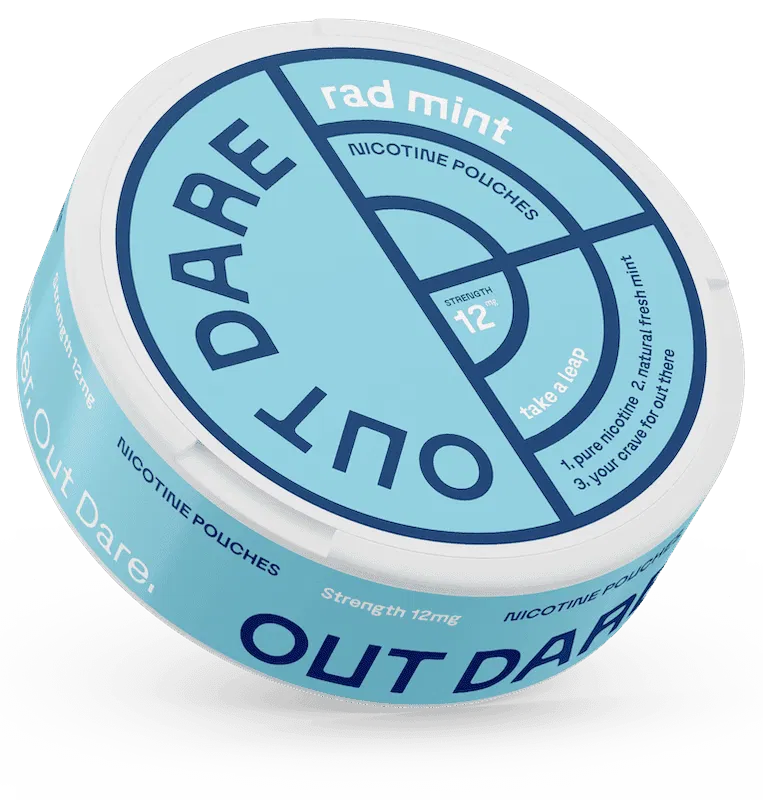
Outdare nicotine pouches 6mg round tin — clean tobacco-free formula for managing nicotine pouch brain fog
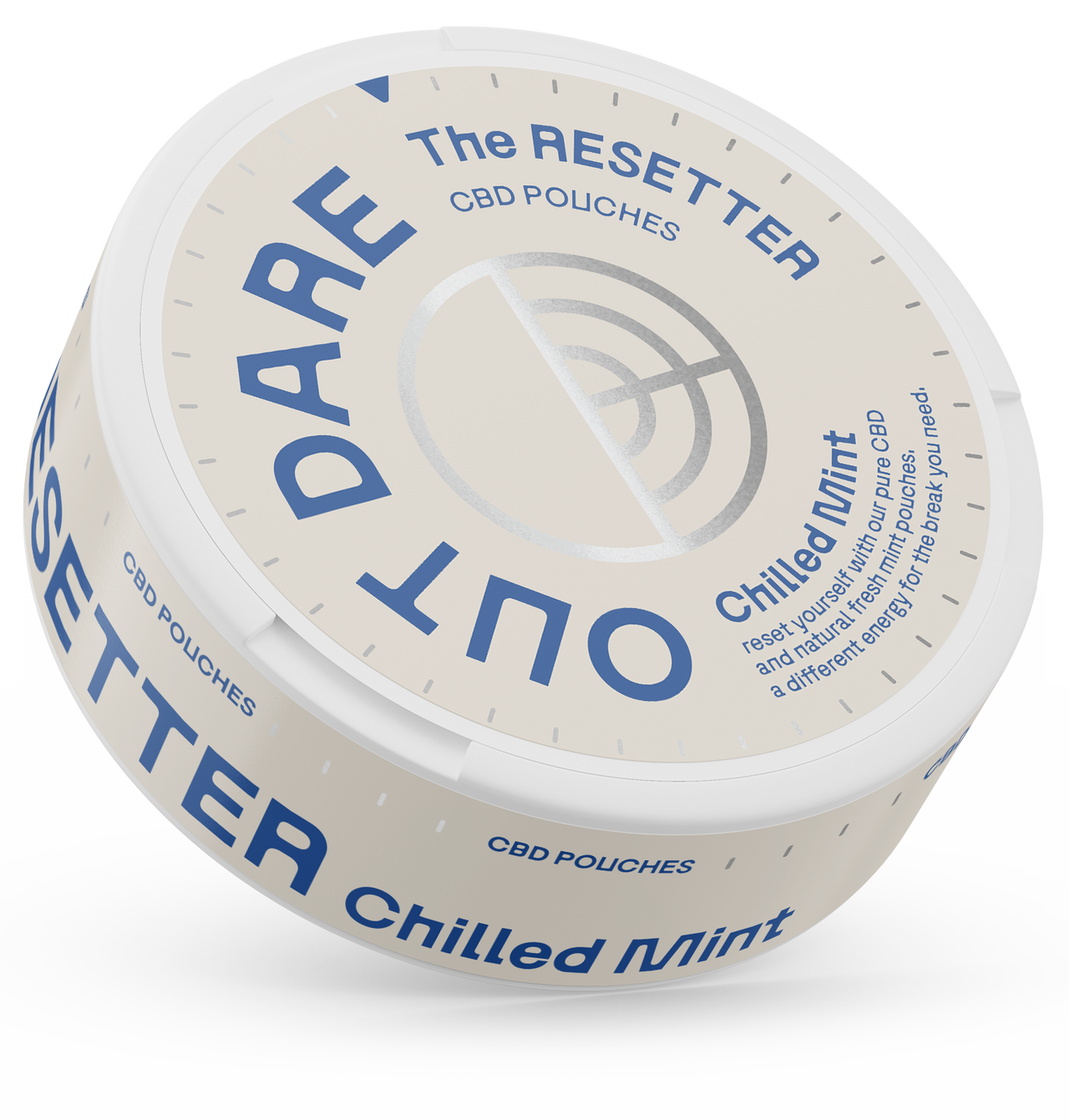
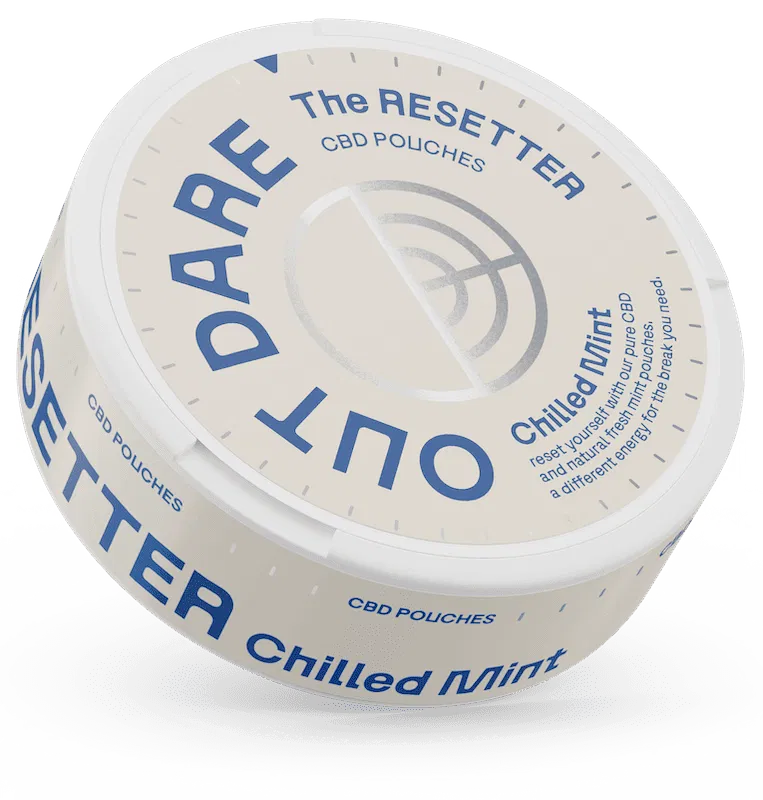
Outdare CBD pouch tin — zero nicotine resetter pouch for evening calm and brain fog recovery
three-pouch system for managing nicotine pouch brain fog with nicotine energy and CBD options

Sources & References

  1. PubMed Central, "The Effects of Nicotine Replacement on Cognitive Brain Activity," 2011
  2. QuitZyn App, "Brain Fog & Anxiety After Quitting Zyn," 2024
  3. EX Community, "Solved: Quitting Zyn Pouches," 2024
  4. Partnership to End Addiction (drugfree.org), "What Is ZYN? A Parent's Guide to Nicotine Pouches, Risks & How to Protect Your Teen," 2024
  5. PubMed Central, "Molecular Insights into the Benefits of Nicotine on Memory and Cognition," 2021
  6. Snusdaddy, "Potential Side Effects of Nicotine Pouches," 2024
  7. AARP, "'Clean' Nicotine: Brain Hack or Hidden Risk?," 2024
  8. APC Birmingham, "Symptoms of Nicotine Withdrawal and How to Cope," 2024
  9. Reddit r/QuittingZyn, "Zyn Withdrawal: Unrelenting Brain Fog," 2024
  10. Franciscan Health, "The Truth About Nicotine Pouches," 2024

Frequently Asked Questions

1. Can nicotine pouches affect your brain?

Yes, and in more ways than most users realize. Nicotine binds to nicotinic acetylcholine receptors throughout the brain, initially boosting dopamine and improving focus. With chronic use, the brain downregulates these receptors, reducing natural dopamine output and making baseline cognitive function dependent on nicotine. This is the core mechanism behind nicotine pouch brain fog. Research published in PubMed Central confirms that nicotine directly modulates cognitive networks related to attention and working memory [1]. For users under 25, the risks are compounded: nicotine has been shown to negatively affect brain development in adolescents and young adults, with potentially lasting effects on memory and impulse control [4].

2. How long does nicotine pouch brain fog last after quitting?

For most users, the worst of nicotine pouch brain fog peaks between days 2 and 4 after stopping, then gradually improves. Clinical guidelines indicate that cognitive symptoms including difficulty concentrating and mental sluggishness begin to meaningfully resolve between weeks 2 and 4 [8]. However, heavy users who have been using high-strength pouches for years sometimes report episodic fog for up to 12 weeks. The duration depends heavily on how abruptly you stop and whether you use any structured substitution approach. Gradual reduction with ritual-preserving alternatives typically shortens the fog window significantly compared to cold turkey.

3. Why do I feel more foggy after using a nicotine pouch, not less?

If a pouch is making you feel foggy rather than focused, your nicotine tolerance has likely climbed to the point where the pouch is simply preventing withdrawal rather than providing a genuine cognitive boost. This is sometimes called the "tolerance ceiling" — you're not getting a lift anymore, you're just avoiding a crash. The vasoconstriction (blood vessel narrowing) that nicotine causes can also reduce cerebral blood flow, contributing directly to that heavy-headed feeling [6]. At this point, a structured step-down approach is far more effective than simply switching to a higher strength.

4. Is nicotine pouch brain fog different from vaping or smoking brain fog?

The underlying neurochemical mechanism is the same — nicotine dependency affecting dopamine and acetylcholine pathways — but the delivery speed differs. Pouches deliver nicotine more slowly than vaping, which means the dopamine spike is less sharp but more sustained. This can make pouch-related brain fog feel more like a persistent low-level dulling rather than the sharp crash that vapers often describe. The QuitWithJones platform notes that vaping's faster delivery creates a more intense dopamine response, which can make vaping withdrawal feel more acute but shorter, while pouch withdrawal can feel more drawn out [11].

5. Can energy or CBD pouches actually help with brain fog during nicotine reduction?

Yes, when they're formulated correctly and used as part of a structured substitution method. An energy pouch containing caffeine and nootropics like L-Theanine and Alpha-GPC can provide real cognitive support through dopamine and acetylcholine pathways — without reintroducing nicotine dependency. A CBD pouch in the evening can address the anxiety and sleep disruption that amplify withdrawal fog. The critical factor is sensory parity: if the replacement pouch feels, tastes, and burns differently from the nicotine version, the brain flags the mismatch and cravings intensify. Matching the ritual sensorially while changing the chemistry is what makes substitution work rather than feel like deprivation.

6. What are the other common side effects of nicotine pouches beyond brain fog?

Beyond nicotine pouch brain fog, the most frequently reported side effects include gum recession and oral irritation from prolonged pouch contact, gut discomfort and nausea (particularly at higher strengths), anxiety and mood instability between doses, sleep disruption, headaches, and elevated heart rate due to nicotine's cardiovascular effects. Franciscan Health's clinical overview also flags long-term dependency and withdrawal symptoms as significant concerns for regular users [10]. The gut issues are particularly underreported — many users attribute their digestive discomfort to other causes without connecting it to their pouch use.

Conclusion

Nicotine pouch brain fog isn't a mystery. It's a predictable consequence of how nicotine rewires the brain's dopamine and attention systems over time. The fog you feel between pouches, during withdrawal, or after a failed quit attempt is your brain telling you the same thing: the chemical dependency is real, but it's only 30% of the problem.

The other 60% is the ritual and the burn. That's the part most quit strategies ignore entirely, and it's the reason cold turkey has such a poor track record. Keeping the oral habit intact while progressively replacing nicotine with cleaner alternatives isn't a compromise — it's actually how habit change works neurologically.

Our team at Outdare LTD recommends starting with honest self-assessment: track your pouch use for a week, identify the triggers, and then build a substitution plan that addresses the sensory and physical components first. The 4-week method exists because reducing nicotine by 60–90% in a month is achievable — but only when you're not fighting the ritual at the same time as the chemistry.

Brain fog clears. Habits can change. The key is giving your brain something real to hold onto while the nicotine fades out. Risk Better. Out Dare.

About the Author

Written by the E-commerce (Consumer Health & Wellness / Tobacco-Free Nicotine Alternatives) experts at Outdare LTD. Our team brings years of hands-on experience helping businesses with E-commerce (Consumer Health & Wellness / Tobacco-Free Nicotine Alternatives), delivering practical guidance grounded in real-world results.

Recommended Articles

Explore more from our content library:

Back to blog