





Oral Pouches for Focus: Your Complete 2026 Guide
| Key Insight | Explanation |
|---|---|
| Oral pouches for focus are nicotine-free | The best focus pouches use nootropics like caffeine, L-Theanine, and Alpha-GPC — zero nicotine, zero tobacco, no dependency risk. |
| Absorption is faster than pills or drinks | Active ingredients absorb sublingually through oral mucosa, reaching the bloodstream faster than capsules or beverages. |
| The 30/30/30 Addiction Rule matters | Only 30% of pouch addiction is chemical. 60% is the physical ritual and sensory burn — which focus pouches satisfy without nicotine. |
| Key ingredients to look for | Caffeine (40-80mg), L-Theanine, Alpha-GPC, and L-Tyrosine are the most evidence-backed nootropic compounds in oral focus pouches. |
| Most users report no crash | Pairing caffeine with L-Theanine blunts the typical stimulant spike-and-crash, delivering a smoother, more sustained focus window. |
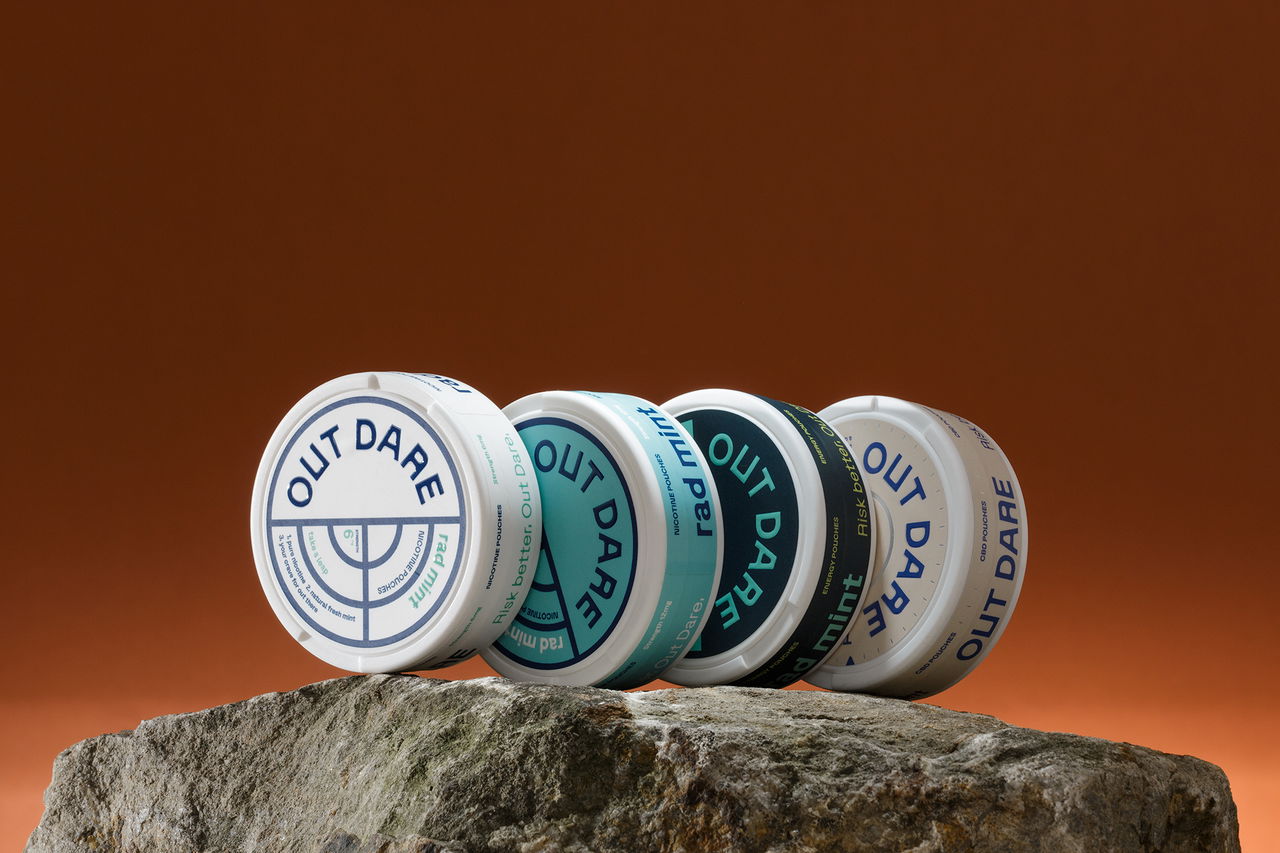
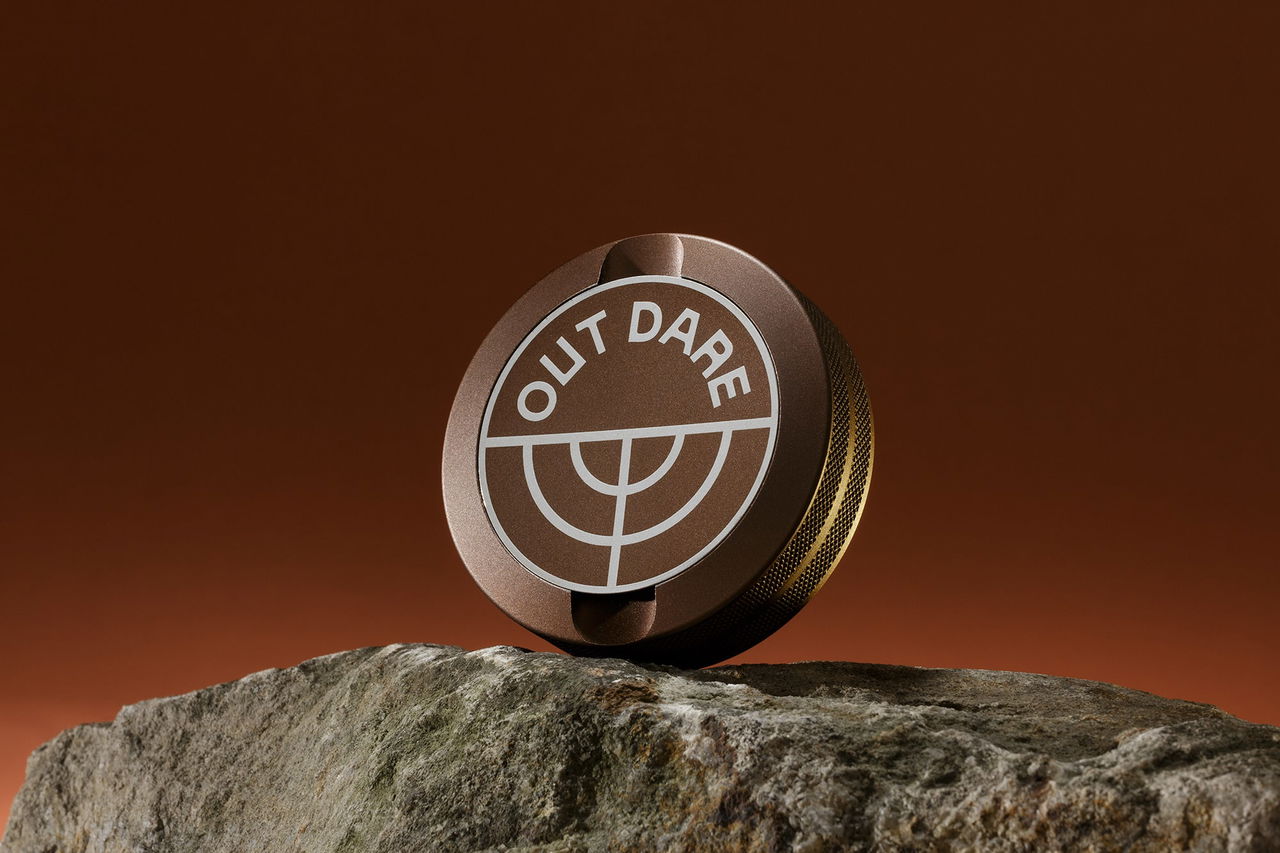
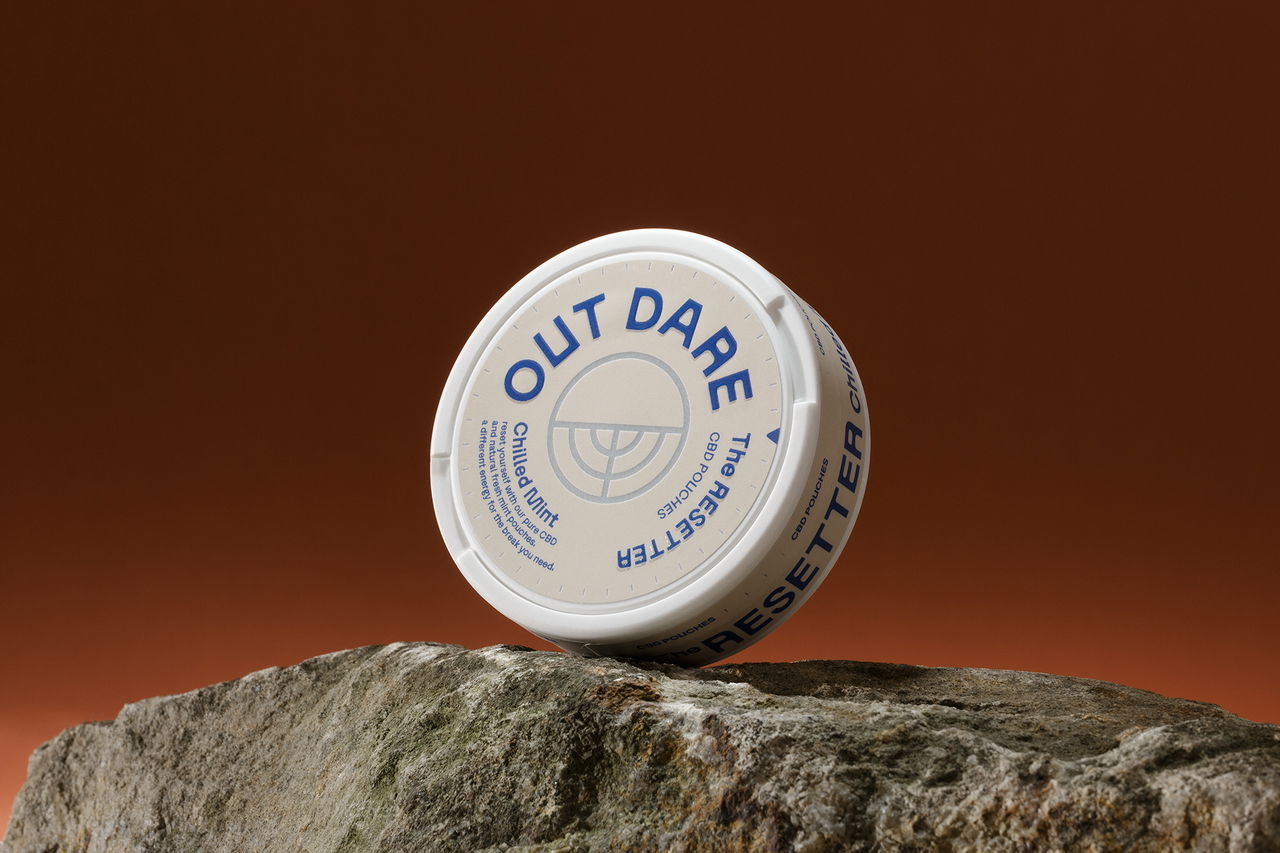
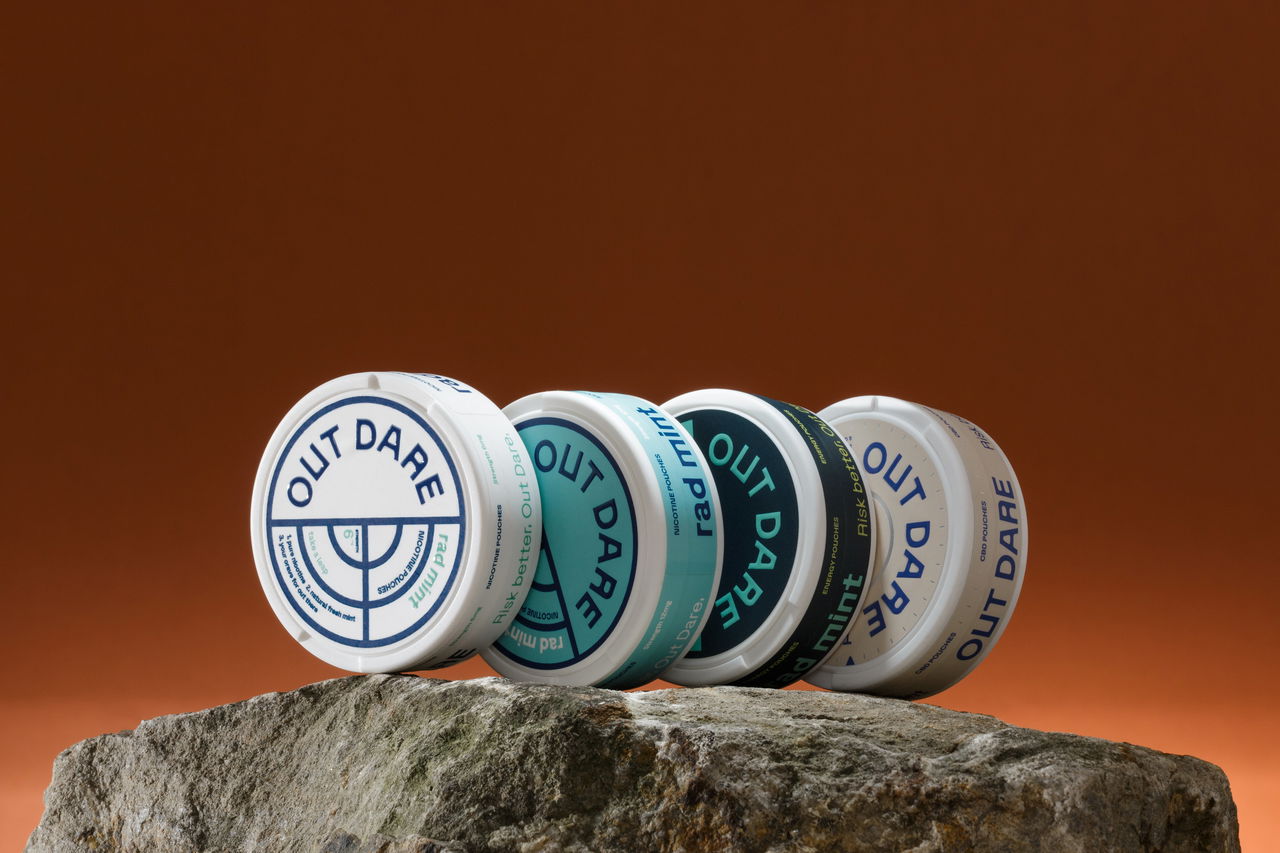
| Outdare's 3-pouch system is unique | Outdare offers Nicotine, Energy, and CBD pouches with identical taste and burn — the only system designed for both focus and nicotine reduction simultaneously. |
Here's what nobody tells you about oral pouches for focus: the format itself is part of the performance boost. A small white pouch placed under the lip delivers active ingredients directly through the oral mucosa (the soft tissue lining your mouth), bypassing the digestive system for faster uptake than a capsule or a cup of coffee. As of 2026, a new generation of nicotine-free energy and nootropic pouches has made this delivery method accessible to anyone who wants sharper concentration without the dependency risk of nicotine or the jitter-and-crash cycle of energy drinks. This guide breaks down exactly how focus pouches work, what ingredients actually move the needle, and how to build a daily protocol around them.
What Are Oral Pouches for Focus?
Oral pouches for focus are small, tobacco-free sachets placed between the lip and gum that deliver nootropic or stimulant compounds directly through the oral mucosa. They look and feel identical to nicotine pouches but contain zero nicotine — instead, they're loaded with cognitive-support ingredients like caffeine, L-Theanine, Alpha-GPC, and L-Tyrosine.
How Focus Pouches Differ from Nicotine Pouches
The format is the same. The delivery mechanism is the same. The ingredient inside is completely different. Where a standard nicotine pouch delivers nicotine (a stimulant with significant dependency potential), a focus pouch delivers nootropics (cognitive enhancers) without the addiction risk.
According to the Banned Substances Control Group (BSCG), nootropic pouches are oral products specifically designed to deliver cognitive-support ingredients through buccal absorption — the same pathway used by nicotine pouches, but without the dependency-forming chemical [1].
- Nicotine pouches: Stimulant effect, high dependency risk, gum and gut side effects with heavy use
- Focus/nootropic pouches: Cognitive enhancement, no nicotine, no tobacco, no dependency cycle
- CBD pouches: Calming and restorative, zero stimulants, useful for stress and sleep recovery
Why the Pouch Format Works for Cognitive Performance
Sublingual and buccal absorption routes are well-documented as faster than oral ingestion. The oral mucosa is highly vascularized, meaning compounds absorb directly into the bloodstream without first-pass metabolism in the liver. You feel the effect in minutes, not 30-45 minutes like a capsule.
Research published on PubMed Central confirms that nootropics — defined as substances that improve human thinking, learning, and memory — are most effective when bioavailability is maximized, making delivery format a critical variable [2].
The practical result: you place a pouch, feel a mild burn as the formula activates, and within 5-10 minutes you're in a cleaner, more alert mental state. No blender. No shaker bottle. No waiting.
What You'll Need / Prerequisites
Before you start using oral pouches for focus, you need a clear picture of your goal, your current habits, and what to look for on a product label. Getting this right upfront saves you money and prevents a frustrating trial-and-error cycle.
Tools and Knowledge Before You Start
- Your baseline caffeine tolerance: If you drink 3+ coffees a day, a 50mg caffeine pouch will feel mild. If you're caffeine-sensitive, start with lower-dose options.
- Your goal clarity: Are you replacing nicotine, optimizing deep work sessions, or looking for a pre-workout edge? Each goal calls for a different pouch and protocol.
- Label literacy: You need to be able to read an ingredient list and recognize the key nootropic compounds (covered in Step 1).
- An honest habit audit: If you're currently using nicotine pouches, your "focus" may actually be nicotine withdrawal relief — not genuine cognitive enhancement. Understanding this distinction matters for choosing the right system.
- A structured time window: Focus pouches work best when used intentionally, not compulsively. Plan a 30-minute deep work block to pair with each use.
Who This Guide Is For
This guide is written for three types of people:
- Productivity-focused adults (20-35) who want clean, portable cognitive enhancement without nicotine dependency
- Current nicotine pouch users who want to transition away from chemical dependency while keeping the ritual and the focus benefit
- Former smokers and vapers who have switched to pouches but want a cleaner exit strategy that doesn't sacrifice mental performance
Results may vary depending on individual caffeine sensitivity, baseline nootropic tolerance, and how consistently the protocol is followed. One limitation of this guide is that it doesn't cover medical-grade nicotine replacement therapy — for clinical cessation support, consult a healthcare provider.
Step 1: Understand the Ingredients in Focus Pouches
Read the ingredient label of any focus pouch before buying — the active compounds determine whether you'll get genuine cognitive enhancement or just a placebo tingle. The most effective oral pouches for focus use a specific stack of evidence-backed nootropics.
The Core Nootropic Stack
According to research published in Nutrients (PMC), the most studied cognitive enhancers include caffeine, L-Theanine, and cholinergic compounds like Alpha-GPC — all of which appear in the leading focus pouches as of 2026 [2].
| Ingredient | Typical Dose per Pouch | Primary Effect | Evidence Level |
|---|---|---|---|
| Caffeine | 40-80mg | Alertness, reaction time, reduced fatigue | Strong (well-replicated) |
| L-Theanine | 50mg | Calm focus, blunts caffeine jitters | Strong (synergistic with caffeine) |
| Alpha-GPC | 50mg | Acetylcholine support, memory encoding | Moderate-Strong |
| L-Tyrosine | 50mg | Dopamine precursor, stress resilience | Moderate |
| B-Vitamins | Varies | Energy metabolism, nerve function | Moderate |
The NZE Focus pouch, for example, uses a caffeine-free stack of 50mg L-Theanine, 50mg Alpha-GPC, and 50mg L-Tyrosine — targeting users who want cognitive clarity without any stimulant at all [3].
Pro Tip: The caffeine + L-Theanine combination (often called the "smart caffeine" stack) is one of the most replicated focus-enhancing combinations in cognitive research. Look for a roughly 1:1 ratio in any focus pouch you consider — it smooths the stimulant curve and eliminates the typical afternoon crash.
What to Avoid on the Label
Not all focus pouches are created equally. Watch for these red flags:
- Proprietary blends that hide individual ingredient doses
- Taurine and glucuronolactone at high doses without transparent sourcing
- Artificial sweeteners like aspartame or saccharin (xylitol is the cleaner choice)
- Undisclosed tobacco derivatives in the filler matrix
- No third-party testing or certification
Step 2: Choose the Right Pouch for Your Goal
Match your pouch to your specific performance need — not every focus situation calls for the same formula. The right oral pouch for focus depends on the time of day, your current nicotine status, and what kind of cognitive state you're targeting.
Matching Pouch Type to Use Case
According to Nectr Energy's 2026 focus pouch guide, the category now splits into three functional sub-types: stimulant-based (caffeine-forward), nootropic-only (caffeine-free cognitive stacks), and hybrid (caffeine plus nootropics) [4]. Each serves a different user profile.
- Morning deep work (9am-12pm): Caffeine + nootropic hybrid pouch. You want alertness AND sustained attention, not just a spike.
- Afternoon slump (2pm-4pm): Lower-caffeine or nootropic-only pouch. Adding more stimulants late in the day disrupts sleep architecture.
- Pre-training or pre-competition: Higher caffeine (50-80mg) with L-Tyrosine for stress resilience under physical pressure.
- Evening wind-down: CBD pouch. Zero stimulants, calming effect, supports sleep quality and next-day cognitive recovery.
- Nicotine replacement during work: Energy pouch with identical taste and burn to your current nicotine pouch — so the ritual stays intact while the chemical dependency fades.
The Outdare Three-Pouch System
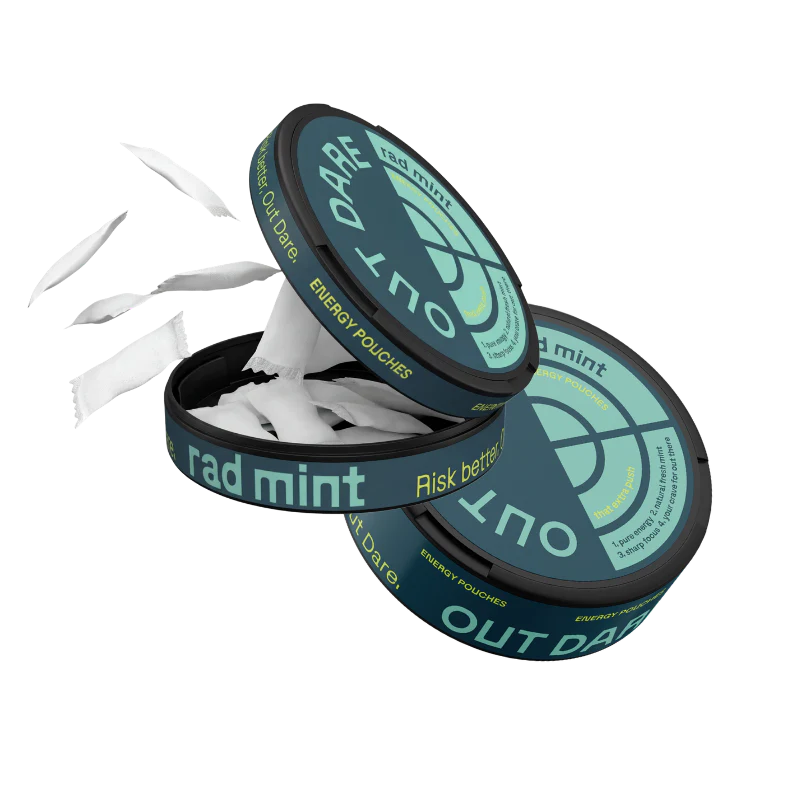
At Outdare LTD, we've found that the biggest mistake people make is treating focus and nicotine reduction as separate problems. They're not. They're the same ritual with two different chemicals inside.
Outdare's three-pouch system solves this directly:
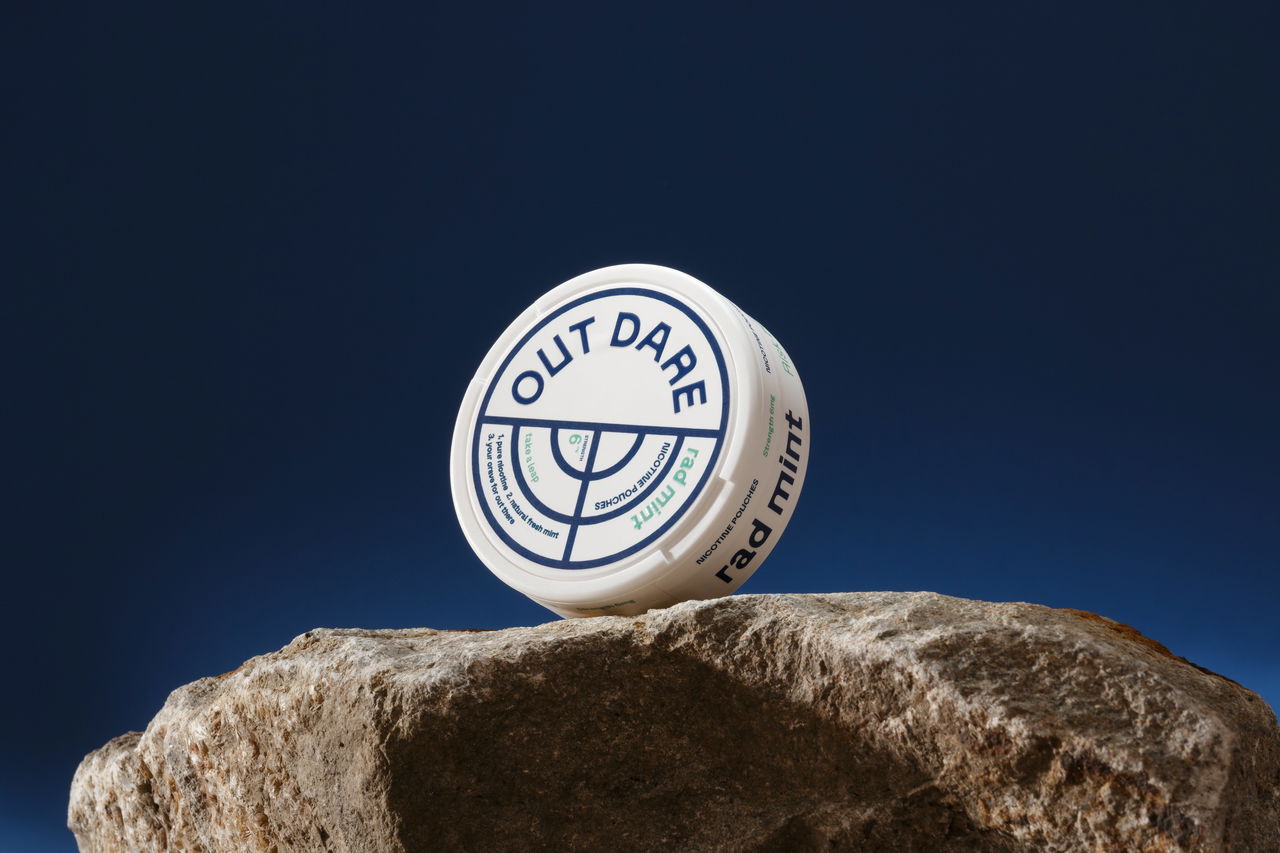
- Clean Nicotine pouches (6mg, 12mg, 15mg): For users who still need nicotine, available in graduated strengths to support step-down dosing
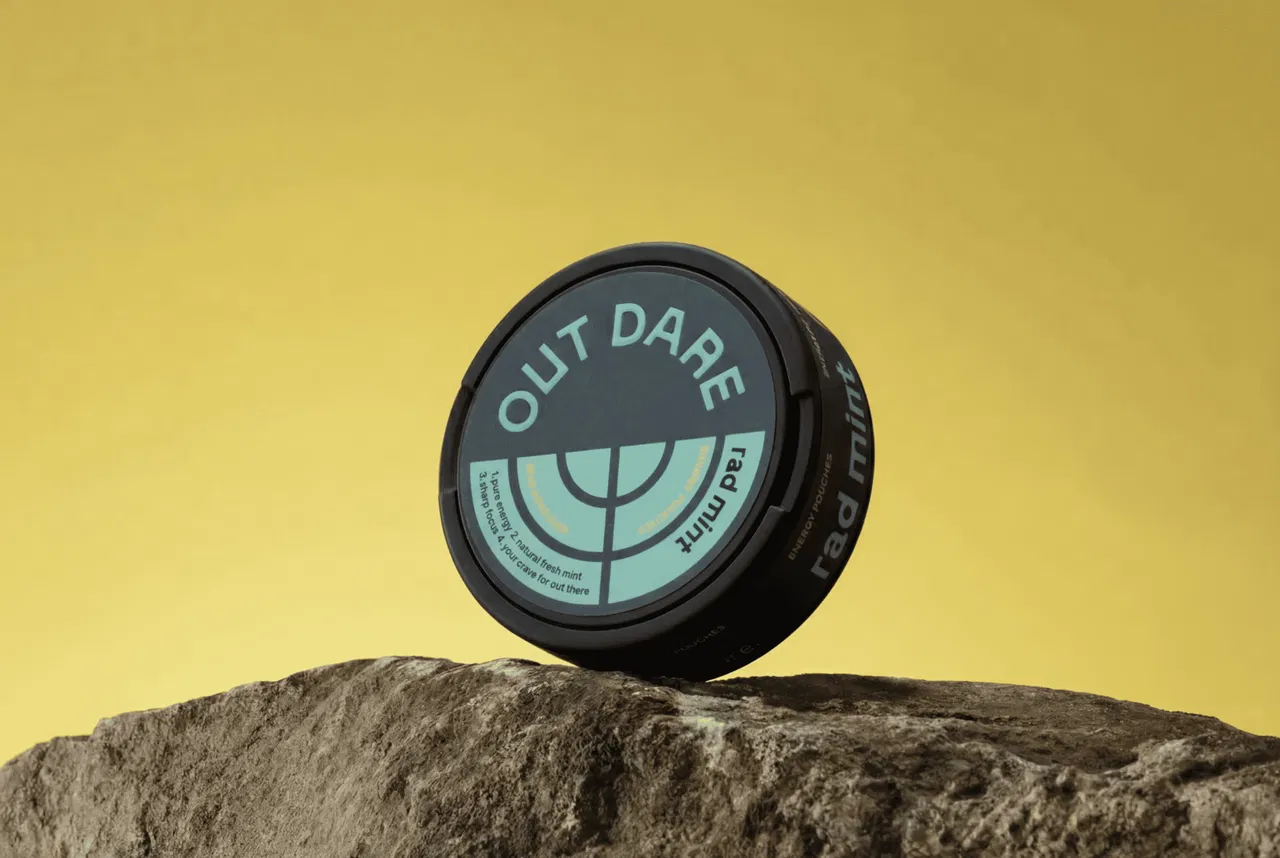
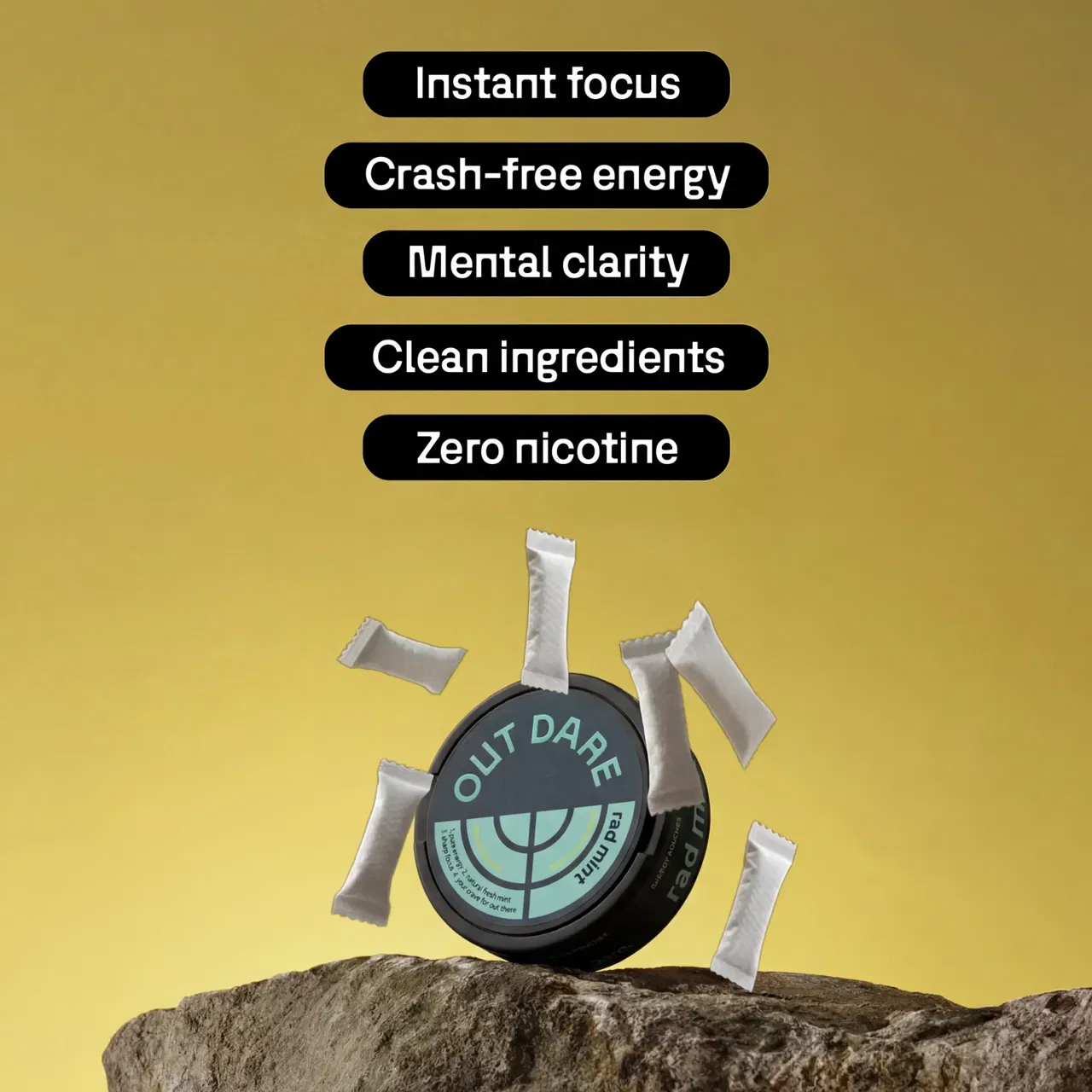
- Energy pouches (50mg caffeine + nootropics, zero nicotine): The focus tool — same mint taste, same gum burn, zero dependency
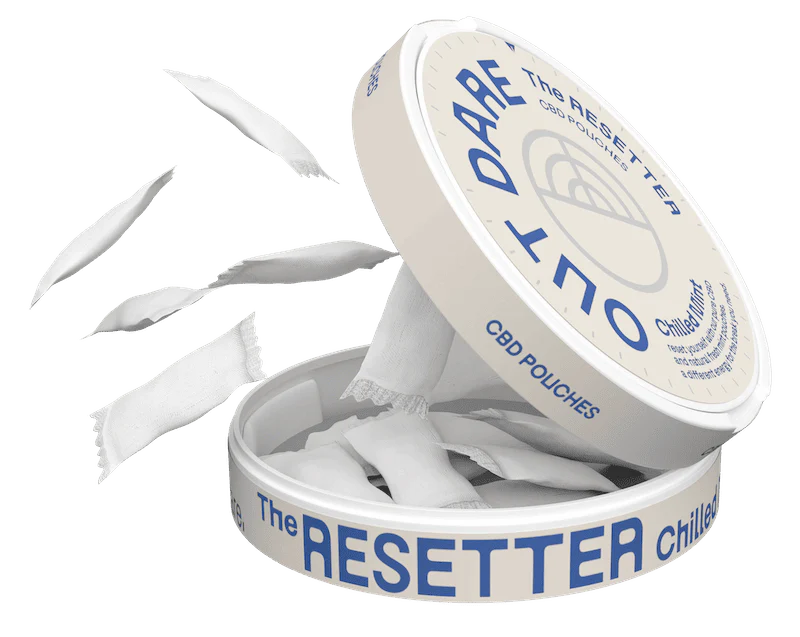
- CBD pouches (zero nicotine, zero stimulants): The reset — calming, restorative, ideal for evenings or high-stress moments
All three share the same natural mint flavor, physical pillow sensation, and gum burn. Your brain can't tell the difference. That's the point.
Step 3: Use Oral Pouches for Focus Correctly
Place the pouch correctly, hold it for the right duration, and time your use around your cognitive demands — these three variables determine whether you get a genuine performance benefit or just a mild tingle. Oral pouches for focus are most effective when used with intention, not habitually.
The Correct Placement and Timing Protocol
According to Ashley Addiction Treatment's overview of caffeine pouches, the pouch should be placed between the upper or lower lip and the gum, where the oral mucosa is thinnest and absorption is fastest [5]. Here's the step-by-step:
- Place the pouch between your upper lip and gum on either side of your front teeth
- Hold it still for the first 2-3 minutes while the formula activates — you'll feel a mild warming or tingling sensation (the "burn") as absorption begins
- Keep the pouch in place for 20-40 minutes for full ingredient release
- Avoid chewing or moving the pouch excessively — this doesn't speed absorption and can irritate the gum tissue
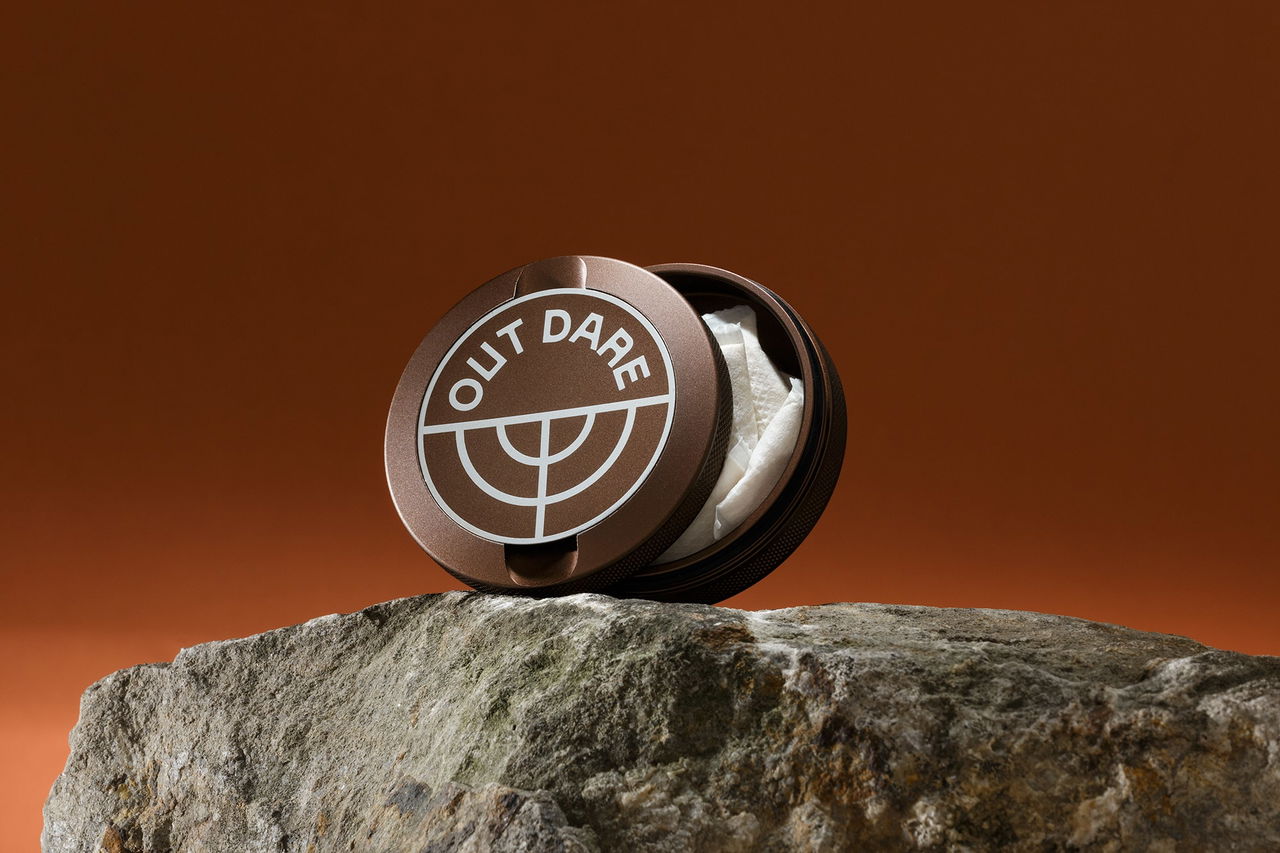
- Remove after 40-60 minutes maximum and dispose in the built-in catch compartment of the tin lid
- Wait at least 60 minutes before using another pouch to avoid overstimulation
Pro Tip: Place your focus pouch 5-10 minutes before starting a deep work session, not during it. By the time you're fully engaged in the task, the nootropics are already circulating — you enter the flow state with the chemistry already working in your favor.
Daily Dosing Guidelines
Industry analysts suggest a maximum of 2-3 focus pouches per day for most adults, depending on caffeine content and individual tolerance. The BSCG's nootropic pouch safety overview notes that responsible use guidelines for nootropic pouches mirror those for caffeine supplementation generally — staying within 200-400mg total daily caffeine intake [1].
- Morning session: 1 energy/focus pouch (50mg caffeine + nootropics)
- Afternoon session: 1 nootropic-only or lower-caffeine pouch if needed
- Evening: 1 CBD pouch for recovery and sleep quality (zero stimulants)
Step 4: Build a Focus Ritual Around Your Pouch
The ritual is as powerful as the chemistry. Research on habit formation consistently shows that pairing a stimulus (the pouch) with a consistent environmental cue (your desk, your headphones, a specific playlist) accelerates the conditioned focus response over time.
Designing Your Deep Work Trigger Stack
A focus ritual isn't a luxury — it's a productivity system. The pouch is the anchor. Everything else stacks on top of it.
In practice, users who pair their oral pouches for focus with a consistent pre-work routine report faster entry into deep work states. This aligns with what behavioral scientists call "implementation intentions" — the more specific your if-then plan, the more automatic the behavior becomes.
- Set a consistent start time for your deep work block (same time daily builds the conditioned response faster)
- Clear your workspace of distractions before placing the pouch
- Place the pouch as the deliberate signal that the session has started
- Use noise-canceling headphones or a focus playlist as a secondary cue
- Commit to a minimum 25-minute work block (Pomodoro technique) before checking anything else
One of our users — a 29-year-old software developer who had been using nicotine pouches for 3 years — switched to Outdare Energy pouches for his morning coding sessions. Within two weeks, he reported the same subjective focus intensity with zero nicotine. The ritual was intact. The dependency was gone.
Tracking Your Focus Sessions
Use a simple habit tracker to log:
- Time of pouch use
- Duration of focus session
- Subjective focus quality (1-10)
- Any side effects (headache, irritability, gut discomfort)
- Whether you reached for a nicotine pouch instead
After two weeks of data, patterns become clear. You'll know exactly which time of day your focus pouches deliver the highest return, and which sessions you can run on a CBD pouch or nothing at all.
Pro Tip: Don't use a focus pouch every single hour. The ritual only works as a performance trigger if it's reserved for intentional work blocks. Compulsive use turns a tool into a habit — and that's how nicotine dependency started for most people in the first place.
Step 5: Reduce Nicotine While Keeping the Ritual
If you're currently using nicotine pouches and want to transition to focus pouches, the 30/30/30 Addiction Rule gives you the most effective framework available. Most users reduce nicotine intake by 60-90% within the first month using this method.
The 30/30/30 Addiction Rule Explained
The 30/30/30 Rule breaks pouch addiction into three equal components:
- 30% chemical dependency: The actual nicotine your brain craves at the neurochemical level
- 30% physical habit: The pillow sensation under the lip — the tactile ritual of placing something there
- 30% sensory cue: The gum burn and mint flavor that your brain associates with relief, focus, or reward
Standard quit attempts fail because they remove all three at once. Cold turkey eliminates the chemical AND the ritual AND the sensory cue simultaneously. That's 100% deprivation. No wonder it doesn't work.
Outdare's system satisfies 60% of the addiction (habit + burn) from day one. You only need to manage the 30% chemical component — and you do that gradually, over four weeks.
The 4-Week Nicotine Reduction Method
- Week 1: Replace 2 out of every 6 daily nicotine pouches with Energy or CBD pouches. Your brain gets the ritual and burn. You reduce nicotine by ~33%.
- Week 2: Replace 4 out of 6 daily pouches. You're now at ~66% nicotine reduction. The ritual is fully intact — your brain has adapted to the sensory substitution.
- Week 3: Replace 5 out of 6 daily pouches. One nicotine pouch remains — typically the morning one, when dependency is strongest.
- Week 4: Replace all nicotine pouches. Use Energy pouches for focus and CBD pouches for recovery. Nicotine intake is effectively zero.
According to Truth Initiative's research on oral nicotine pouches, the oral habit component is one of the most persistent drivers of relapse in cessation attempts — which is precisely why maintaining the ritual while reducing the chemical is more effective than eliminating both simultaneously [6].
Common Mistakes to Avoid
Using oral pouches for focus incorrectly is more common than you'd think — and most mistakes are avoidable once you know what to look for. From experience, these are the patterns that consistently derail results.
The Most Frequent Errors
- Using focus pouches as a nicotine substitute without a system: Swapping a nicotine pouch for a focus pouch once or twice doesn't reduce dependency. You need the structured 4-week protocol, not ad hoc substitution.
- Exceeding 3 pouches per day: More isn't better. Overstimulation from excessive caffeine intake leads to anxiety, poor sleep, and a rebound energy deficit the next day — exactly what you're trying to avoid.
- Choosing pouches based on flavor alone: Flavor is a sensory cue, not a quality signal. A great-tasting pouch with a weak or undisclosed nootropic stack delivers nothing beyond placebo. Read the label.
- Ignoring the evening reset: Productivity-focused users often optimize their morning and afternoon but neglect recovery. Poor sleep quality destroys next-day cognitive performance. A CBD pouch in the evening is part of the focus system, not a separate habit.
- Expecting instant results from nootropics: Caffeine works fast. Alpha-GPC and L-Tyrosine build up over days of consistent use. Give the stack 5-7 days before evaluating effectiveness.
- Compulsive use: A common mistake is reaching for a focus pouch every time you feel distracted. Distraction is often a sign of mental fatigue, not a nootropic deficiency. Rest, hydration, and sleep solve more focus problems than any pouch.
What Can Go Wrong in the Transition
When working with users transitioning from nicotine to energy pouches, the most common failure point is week two. The physical ritual is satisfied, but the brain still expects nicotine's neurochemical hit. This is the 30% chemical component making itself known.
The fix isn't to go back to nicotine. It's to stay consistent with the ritual and allow the dopamine system to recalibrate. Most users report that the craving intensity drops significantly after day 10-14 of consistent substitution.
Reviews of focus pouch products on platforms like Xendurance and FlowBlend consistently note that users transitioning from nicotine pouches find the mouthfeel and burn the most critical matching factors — not the flavor [7][8].
Sources & References
- BSCG, "Use, Ingredients, Safety of Nootropic Pouches Explained," 2024
- PubMed Central / Nutrients, "Nootropics as Cognitive Enhancers: Types, Dosage and Side Effects," 2022
- Amazon, "NZE Caffeine Free Nootropic Pouches (Spearmint)," 2025
- Nectr Energy, "Focus Pouches: How They Work & Best Picks for 2026," 2026
- Ashley Addiction Treatment, "What Are Caffeine Pouches?," 2024
- Truth Initiative, "What is Zyn and What Are Oral Nicotine Pouches?," 2024
- Xendurance, "Focus Pouches," 2025
- FlowBlend, "Nootropic Pouches for Focus Without the Crash," 2025
- Men's Health, "Some Energy Pouches Are Sketchy. But These Three Actually Work.," 2024
Frequently Asked Questions
1. What are oral pouches for focus and how do they work?
Oral pouches for focus are small, tobacco-free sachets placed between the lip and gum. They deliver nootropic compounds (cognitive enhancers like caffeine, L-Theanine, and Alpha-GPC) directly through the oral mucosa into the bloodstream. This bypasses digestion for faster onset — typically 5-10 minutes — compared to capsules or drinks. They contain zero nicotine and zero tobacco.
2. Are focus pouches safe to use daily?
For most healthy adults, focus pouches with moderate caffeine (40-80mg per pouch) and evidence-backed nootropics are considered safe at 2-3 pouches per day, provided total daily caffeine stays below 400mg. The BSCG notes that responsible use mirrors general caffeine supplementation guidelines. Results may vary — individuals with cardiovascular conditions or caffeine sensitivity should consult a doctor first.
3. Can focus pouches replace nicotine pouches?
Yes — and this is one of the most effective use cases for oral pouches for focus. Because they share the same physical format (pillow sensation, gum burn, oral placement), the brain's habit loop stays intact while the chemical dependency is removed. Using a structured system like Outdare's 4-Week Method, most users reduce nicotine intake by 60-90% within the first month without white-knuckling through cravings.
4. What are the side effects of nootropic focus pouches?
Side effects are generally mild and dose-dependent. Caffeine-containing pouches can cause mild jitteriness, elevated heart rate, or disrupted sleep if used too late in the day. Gum irritation is possible with prolonged use in the same spot — rotate placement sites. Caffeine-free nootropic-only pouches (L-Theanine, Alpha-GPC stacks) have a very low side-effect profile. Avoid exceeding the recommended daily dose.
5. How many focus pouches should I use per day?
Most manufacturers recommend 2-3 pouches per day for adults. For caffeine-containing pouches at 50mg each, three pouches delivers 150mg caffeine — well within safe daily limits. If you're also drinking coffee, factor that into your total. For evening use, switch to a caffeine-free CBD or nootropic-only pouch to protect sleep quality.
6. What's the difference between a focus pouch and an energy drink?
Delivery method, ingredient profile, and onset speed. Energy drinks are liquid, sugar-heavy, and absorbed through the digestive system (30-45 minute onset). Oral pouches for focus are dry, sugar-free, and absorbed sublingually (5-10 minute onset). They're also discreet, portable, and don't require refrigeration. For clean-label users who avoid sugar and artificial additives, focus pouches are a significantly cleaner format.
7. Do focus pouches contain nicotine?
No — legitimate focus and nootropic pouches contain zero nicotine. They're designed specifically as nicotine-free alternatives. Always check the label. Some brands sell both nicotine and non-nicotine pouches in similar packaging, so confirm the product description before purchasing. Outdare's Energy pouches, for example, contain 50mg caffeine plus nootropics with zero nicotine and zero tobacco.
8. Which nootropic ingredients should I look for in a focus pouch?
The most evidence-backed combination is caffeine (40-80mg) paired with L-Theanine (50mg) for clean, jitter-free alertness. Alpha-GPC (50mg) supports acetylcholine production for memory and attention. L-Tyrosine (50mg) acts as a dopamine precursor and helps maintain focus under stress. Avoid products that hide doses inside a "proprietary blend" — transparency on ingredient amounts is a quality signal.
Conclusion
Oral pouches for focus have moved from a niche biohacking curiosity to a legitimate daily performance tool. The format works. The science behind sublingual nootropic absorption is solid. And as of 2026, the ingredient quality across the leading products has improved significantly.
The eight steps in this guide give you everything you need to start: understand the ingredients, match the pouch to your goal, use it correctly, build a ritual around it, and — if you're coming from nicotine — reduce your dependency without losing the sensory experience that made pouches feel indispensable in the first place.
The 30/30/30 Rule is the key mental model. Nicotine is only 30% of why you reach for a pouch. The other 60% is the ritual and the burn — and focus pouches satisfy both, without the chemical cost.
Our team at Outdare LTD recommends starting with the Discovery Pack if you're new to the system. Try all three pouch types across a full week. Notice which one delivers the focus you need, which one resets your stress, and which one you actually needed the nicotine for. The answer usually surprises people.
Risk Better. Out Dare.
Recommended Articles
Explore more from our content library: